

Table of Contents
- How to Determine Skin Undertone for Lipstick
- Cruelty-Free Makeup Certification Labels That Actually Mean Something
- How to Read Ingredient Labels for Hidden Animal Derivatives
- Best Cruelty-Free Lipstick Brands and What to Look For
- Choosing the Right Finish: Matte, Satin, or Cream
- Testing Longevity and Performance Before You Commit
- Budget-Friendly vs. Luxury Ethical Sourcing
- Conclusion
- Frequently Asked Questions
Last Updated: September 23, 2026
How to Determine Skin Undertone for Lipstick
Finding your undertone is the fastest way to stop guessing at the makeup counter. Undertone is the subtle base color under your skin, and it decides which lip colors look natural on you. This guide from Charmstyle Beauty Cosmetics covers how to choose cruelty-free lipstick shades that actually flatter your skin, not just the ones trending online.
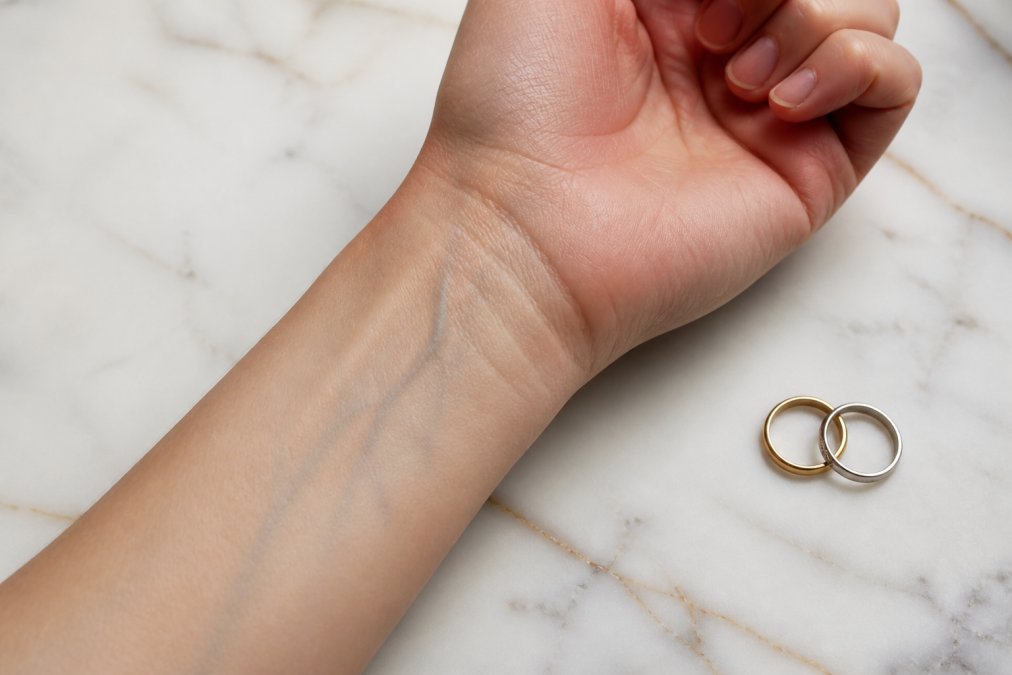
Most people fall into three groups: warm, cool, or neutral. Warm undertones lean yellow, peach, or gold. Cool undertones lean pink, red, or blue. Neutral sits between the two. Once you know your group, picking a shade gets much simpler.
The Vein Test and Jewelry Check
Look at the veins on your inner wrist in daylight. Greenish veins usually mean a warm undertone. Blue or purple veins point to cool. If you see a mix, you're likely neutral.
The jewelry check works the same way. Gold flatters warm undertones.
Beyond Undertone: Depth, Contrast, and Saturation
Undertone is only one axis. Professional makeup artists match lipstick on three more, and this is where most cruelty-free guides stop short.
- Depth: how light or deep your skin is. Fair skin can be overwhelmed by a near-black berry, while deep skin can make a pale nude look ashy. Match the depth of the lipstick to the depth of your skin, then adjust.
- Contrast: the gap between your hair, skin, and eye color. High-contrast faces (dark hair, light skin, or the reverse) carry bold, saturated lips easily. Low-contrast faces usually look more balanced in muted, blended shades.
- Saturation: how pure or grayed-out a color is. A true red is highly saturated. A dusty rose is desaturated. If your natural coloring is soft, a desaturated shade reads more like "you" than a neon coral will.
Matching Undertones to Cruelty-Free Lipstick Shades
- Warm undertones: brick reds, warm nudes, coral, peach, terracotta, tomato red
- Cool undertones: berry, plum, blue-based reds, mauve, fuchsia, cherry
- Neutral undertones: rose, soft pink, true red, dusty mauve, brownish nude
Then layer depth and contrast on top:
- Fair + low contrast: sheer rose, soft mauve, muted peach
- Fair + high contrast: blue-based red, deep berry
- Medium + warm: terracotta, warm brick, caramel nude
- Deep + cool: plum, wine, blue-red
- Deep + warm: copper, burnt orange, warm brown
A common mistake is buying a shade because it looks good on someone else. Two people can wear the same red and get very different results. Always test against your own undertone first.
Why This Matters More With Cruelty-Free Brands
Ethical brands tend to run smaller shade ranges than legacy cosmetics giants, so each shade has to work harder. That makes undertone matching more important, not less. If a brand only offers six reds, you want the one that sits on the correct side of the warm-cool line for you. Filter by undertone first, then by finish and certification.
Cruelty-Free Makeup Certification Labels That Actually Mean Something
Not every "cruelty-free" label is worth trusting. Some are third-party certified. Others are self-declared with no outside check. Knowing the difference saves you from greenwashed marketing.
Leaping Bunny vs. PETA vs. Self-Declared Claims
Leaping Bunny is run by the Coalition for Consumer Information on Cosmetics (About Leaping Bunny). It requires a brand to open its supply chain to independent audit. That means every supplier, not just the finished product, must confirm no animal testing.
How to Read Ingredient Labels for Hidden Animal Derivatives
Animal ingredients hide behind scientific names. You won't always see the word "animal" on a label.
Watch for these:
- Carmine (also listed as CI 75470): red pigment made from crushed beetles
- Beeswax (cera alba): from honeybees
- Lanolin: oil from sheep's wool
- Guanine: from fish scales, used for shimmer
- Shellac: resin from the lac bug
Best Cruelty-Free Lipstick Brands and What to Look For
The best cruelty-free lipstick brands share three traits: verified certification, full ingredient transparency, and clear shade descriptions. Skip brands that hide behind vague "clean beauty" language with no proof.
CHARMSTYLEBEAUTY RED LIPSTICK →
Here's what to check before you buy:
| What to Check | Why It Matters | Red Flag |
|---|---|---|
| Certification logo | Proves third-party vetting | No logo, only a claim |
| Full ingredient list | Reveals animal derivatives | "Fragrance" with no detail |
| Shade undertone notes | Helps you match your skin | No undertone guidance |
| Vegan label | Confirms no animal ingredients | Cruelty-free claim only |
| Parent company | Owns the brand's testing policy | Brand won't disclose ownership |
How to Verify a Brand in Five Minutes
You don't need to be an auditor. You need a repeatable routine.
- Check the certification database. Leaping Bunny maintains a searchable list of certified brands on its site. If a brand claims certification but doesn't appear, that's a problem. PETA's Beauty Without Bunnies program also publishes a searchable directory.
- Look for the logo on the packaging, not just the website. Certification is granted per company, and logos should appear on the physical product or its outer box.
- Read the full ingredient list, not the front of the tube. Retailers like Ulta and Sephora list full INCI ingredients on product pages. If a brand only shows "key ingredients," that's a transparency gap.
- Check the parent company. Many indie-looking brands are owned by larger corporations with different testing policies in different markets. A brand can be cruelty-free in one country and sold in markets that require animal testing in another.
- Search the brand name plus "animal testing" and sort by recent. Watch for regulatory settlements, market-entry news, or supplier disclosures.
Reading the Label Like a Formulator
Animal derivatives hide behind scientific names. You won't always see the word "animal" on a label. Watch for these:
- Carmine (also listed as CI 75470): red pigment made from crushed beetles
- Beeswax (cera alba): from honeybees
- Lanolin: oil from sheep's wool
- Guanine: from fish scales, used for shimmer
- Shellac: resin from the lac bug
- Keratin: often from feathers, horns, or hooves
- Collagen: often bovine or porcine
- Tallow: rendered animal fat
The "Ethical Tax" Question
A higher price doesn't guarantee better ethics. Some budget brands carry full Leaping Bunny certification. Some luxury brands only self-declare.
Choosing the Right Finish: Matte, Satin, or Cream
Finish changes how a shade reads on your lips. The same berry can look bold in matte and soft in cream.
- Matte: flat, no shine, longest wear, best for bold colors
- Satin: slight sheen, comfortable, good middle ground
- Cream: glossy, hydrating, best for dry lips
Testing Longevity and Performance Before You Commit
Long-wear claims are easy to make and hard to verify. Test before you trust.
A simple at-home check:
- Apply the shade to clean, dry lips.
- Wait two minutes for it to set.
- Drink water and eat a small snack.
- Check the color after one hour and again after four.
Budget-Friendly vs. Luxury Ethical Sourcing
A higher price doesn't guarantee better ethics. Some budget brands carry full Leaping Bunny certification. Some luxury brands only self-declare.
Conclusion
Picking a shade that flatters you and matches your values takes a little homework, but it's not hard. Start with your undertone, verify the certification, and read the ingredient list. Charmstyle Beauty Cosmetics makes this easier with lightweight, wearable lipsticks built for everyday confidence, including hydrating, smudge-resistant formulas. Get started with Charmstyle Beauty Cosmetics and find the shade that elevates your natural glow.
Frequently Asked Questions
How can I verify if a lipstick brand is truly cruelty-free?
Check for third-party certification logos like Leaping Bunny or PETA's Beauty Without Bunnies program on the packaging or brand website. These organizations audit supply chains and manufacturing standards to confirm no animal testing occurs at any stage. Self-declared claims without certification require more scrutiny. Look for a published animal testing policy, check if the brand sells in markets that mandate animal testing, and review ingredient sourcing for animal derivatives like carmine or lanolin. Certification remains the most reliable indicator of genuine cruelty-free status.
How do I determine my skin's undertone to pick the right lipstick?
Try the vein test: look at the veins on your inner wrist under natural light. Blue or purple veins suggest cool undertones, green veins indicate warm undertones, and a mix of both means neutral. The jewelry check works too: gold flatters warm undertones while silver suits cool ones. Once you know your undertone, choose cruelty-free lipstick shades accordingly. Cool undertones pair well with berry, plum, and blue-based reds. Warm undertones look best in coral, peach, and orange-based reds. Neutral undertones can wear most shades.
Are vegan lipsticks always cruelty-free?
Not necessarily. Vegan means the formula contains no animal-derived ingredients like beeswax, lanolin, or carmine. Cruelty-free means no animal testing occurred during development or manufacturing. A lipstick can be vegan but still tested on animals, or cruelty-free but contain beeswax. For the strongest ethical guarantee, look for products that carry both vegan certification and a recognized cruelty-free certification like Leaping Bunny. Charmstyle Beauty Cosmetics offers lightweight, wearable formulas designed for everyday confidence.
What are the best cruelty-free lipstick shades for fair skin?
Fair skin typically has cool or neutral undertones, so blue-based reds, soft berries, and cool pinks create a flattering contrast without washing you out. Nude shades with a rosy or mauve base work better than warm beige nudes, which can make fair skin look sallow. For everyday wear, a satin or cream finish adds dimension without looking harsh. Charmstyle's nude lipstick delivers creamy, ultra-pigmented color that flatters a range of skin tones, making it a practical starting point if you are building a cruelty-free beauty routine.