

Table of Contents
- How to Prep Lips for Long-Lasting Lipstick
- The Base Layer: Lip Liner and Primer
- Layering Techniques for Long-Lasting Lip Color
- How to Set Lipstick with Powder
- The Best Lightweight Lip Gloss for Daily Wear
- Lifestyle Troubleshooting: Eating, Drinking, and Touch-Ups
- Frequently Asked Questions
Last Updated: September 16, 2026
How to Prep Lips for Long-Lasting Lipstick
Prepping lips for long-lasting lipstick is the step that determines whether your color survives past your morning coffee. Smooth, hydrated lips hold pigment; dry, flaky ones shed it within the hour. This guide from Charmstyle Beauty Cosmetics walks through the full routine, from exfoliation to setting powder, so you can learn how to make lip color last longer without reapplying every two hours.

Most people blame the lipstick when color fades. The real culprit is usually the surface underneath it. Dead skin cells create an uneven base, and pigment clings to the flakes that eventually slough off. Fix the canvas first, and everything else works better.
Exfoliation: Removing Dead Skin Cells
Exfoliation is the process of lifting dead skin cells from the lip surface so pigment has a smooth base to grip. A common mistake is scrubbing too hard or too often, which strips the lip barrier and causes more flaking. Once or twice a week is plenty for most people.
Use a sugar-based scrub or a soft damp cloth. Work in small circles for about 30 seconds, then rinse and pat dry. If your lips are cracked, skip exfoliation and focus on hydration for a few days first.
Hydration and Barrier Care
Hydration is the layer that keeps lips supple under pigment. Apply a lip balm with emollients and occlusives, then wait five minutes before applying anything else. Occlusives seal moisture in; emollients soften the surface.
A common mistake is applying lipstick directly over a thick, slippery balm. That formula never sets, and color slides off within minutes. Blot the excess balm with a tissue so lips feel soft but not slick.
The Base Layer: Lip Liner and Primer
The base layer is what separates lip color that lasts three hours from lip color that lasts eight. Liner and primer do different jobs: liner defines the edges and blocks pigment from feathering, while primer creates a tacky surface that grips the formula above it. What most guides skip is why that grip happens, and which ingredients actually deliver it.
Using Lip Liner as a Base
Lip liner is more than an outline. Fill the entire lip with pencil before applying color, and you create a base layer that reinforces the pigment above it. Choose a shade close to your natural lip tone or your lipstick.
Look at what the pencil is built from. Traditional wax-based liners (beeswax, carnauba, candelilla) sit on the surface and give you a soft, blendable edge, but they break down faster under oil from food and lip balm. Long-wear liners lean on dimethicone, trimethylsiloxysilicate, or a silicone resin film-former, the same class of ingredients used in transfer-resistant foundations. Those form a flexible film that resists smudging but feels drier and is harder to blend once it sets.
For precision, sharpen the pencil and use short, light strokes rather than dragging. Focus extra coverage on the outer edges, where color tends to bleed first. If you are using a long-wear liner, work one section at a time, once the film sets, it will not move.
The Importance of Lip Primer
Lip primer is a dedicated product that smooths texture and gives pigment something to hold onto. It is the step most people skip, and it is often the reason color disappears after lunch.
What separates a primer that works from one that does nothing is the base chemistry.
Testing Compatibility Before You Commit
Not every base and formula work together, and the failure mode is predictable once you know what to look for. Silicone-based primers paired with water-based stains can pill, small balls of product roll up as you apply. Oil-based balms used under a long-wear matte break the matte's film down from underneath, so it fades in patches instead of wearing evenly.
FDA guidance on cosmetic ingredient labeling
Layering Techniques for Long-Lasting Lip Color
Layering is how you build wear time. Thin swipes, blotting, and the right formula choice all extend how long your lip color lasts, which matters if you want a routine that survives a full workday.
Thin Swipes and Blotting Between Applications
Thin layers set faster and bond better than one heavy coat. Apply a light swipe, blot with a tissue, then apply a second thin layer. Each layer locks in the one below it.
Choosing the Right Formula: Matte vs. Cream
Matte formulas generally last longer because they contain less oil, while cream formulas feel more comfortable but transfer more easily. If wear time is your priority, a long-wear matte liquid lipstick is the stronger choice. If comfort matters more, a cream or stain works well with touch-ups.
| Formula | Wear Time | Comfort | Best For |
|---|---|---|---|
| Matte liquid lipstick | Longest | Drier feel | Full days, events |
| Lip stain | Long | Lightweight | Everyday wear |
| Cream lipstick | Moderate | Most comfortable | Short outings, photos |
| Gloss | Shortest | Most hydrating | Quick touch-ups |
How to Set Lipstick with Powder
Setting lipstick with powder is the technique that turns a good application into one that survives meals and drinks. The powder absorbs surface oil without dulling the color beneath it. Understanding which powders do that, and which ingredients in your lipstick are already doing the work, is what separates a routine that holds from one that just looks like it should.

Translucent Powder Technique
Place a single ply of tissue over your lips, then dust translucent powder through it with a fluffy brush. The tissue protects the pigment while the powder sets it from above. This is the step that makes color transfer-resistant without changing the finish.
Setting Spray for Extra Hold
A light mist of setting spray over the finished lip adds another layer of hold. Hold the bottle about 8 to 10 inches away and mist once. Do not spray so close that droplets pool on the lips, which can break down the pigment you just set.
Reading the Ingredient List for Built-In Longevity
Before you add a setting step, check whether your lipstick is already engineered for wear. Two ingredient classes do most of the work:
- Isododecane and other volatile silicones evaporate after application, leaving the pigment and film-formers behind in a thin, transfer-resistant layer. This is the backbone of most long-wear liquid lipsticks.
- Trimethylsiloxysilicate and dimethicone crosspolymer form the flexible film that keeps color from cracking or flaking as you talk and eat.
Post-Wear Recovery
Long-wear formulas and setting sprays are drying by design, so recovery matters as much as application. At the end of the day, remove color with an oil-based cleanser rather than scrubbing, the oil dissolves the silicone film and waxes without stripping the lip barrier. Follow with a thick balm containing ceramides, shea butter, or petrolatum overnight to rebuild the barrier.
The Best Lightweight Lip Gloss for Daily Wear
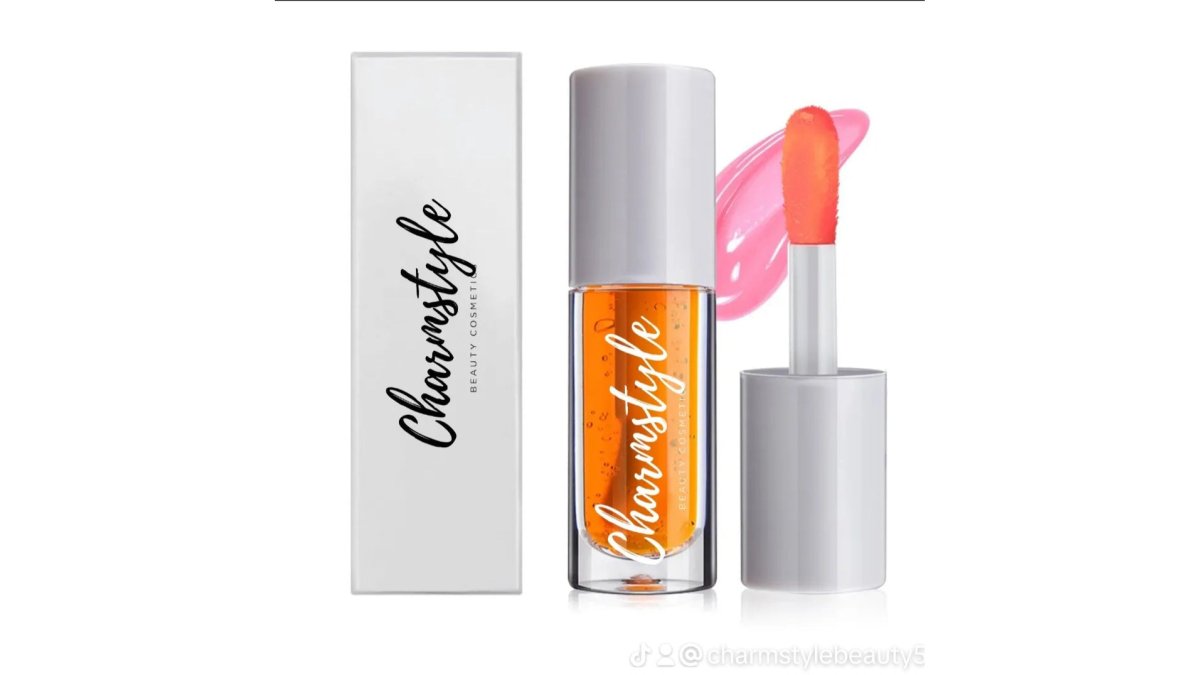
The best lightweight lip gloss for daily wear is one that adds shine and hydration without the sticky, heavy feel that causes constant touch-ups. If your lips are sensitive or dry, the formula matters more than the shade.
Product Compatibility Testing
Not every base and formula work together. Silicone-based primers can cause water-based stains to bead up, and oil-based balms break down long-wear matte formulas. Test new combinations on a small area before committing to a full application.
Lifestyle Troubleshooting: Eating, Drinking, and Touch-Ups
Wear time depends as much on your day as on your technique. Hot drinks, oily foods, and constant lip contact all shorten how long color stays. Adjusting a few habits keeps your lip color lasting longer between applications.
- Drink coffee and tea through a straw when you can
- Blot, do not wipe, after eating
- Carry a matching liner for quick edge touch-ups
- Avoid pressing lips together right after application
- Reapply only to the center, then blend outward
Post-Wear Lip Recovery
Long-wear formulas are drying by design, so recovery matters. At the end of the day, remove color with an oil-based cleanser rather than scrubbing. Follow with a thick balm overnight to rebuild the lip barrier.
Frequently Asked Questions
How do I make my lip tint last longer?
Start with exfoliated, hydrated lips, then apply a thin layer of lip liner as a base. Use a lip stain like Charmstyle Beauty Lip Stain, which is transfer-resistant and buildable. Let each layer dry completely before adding the next. Avoid oily foods and blot with a tissue after drinking. For extra hold, set with translucent powder through a tissue.
What causes lip color to fade?
Lip color fades due to natural lip texture, moisture from saliva, oil in food and drinks, and constant lip movement. Dry, flaky lips cause pigment to sit unevenly and wear off faster. Using a primer or liner creates a barrier that helps color adhere. Formulas with emollients and occlusives can also break down color if not set properly.
Does lip liner really help lipstick last longer?
Yes. Lip liner acts as a base layer that grips pigment and prevents feathering. It creates a boundary that keeps color from bleeding into fine lines. For best results, fill in the entire lip with liner, not just the outline. This technique adds a layer of long-wear formula that extends wear time significantly, especially for matte finishes.
How can I prevent my lipstick from feathering?
Prevent feathering by prepping lips with a primer or concealer around the edges. Use a lip liner that matches your lipstick shade to create a precise border. Avoid over-applying glossy or cream formulas, which tend to migrate. Set the edges with a small brush and translucent powder. For smudge-proof wear, choose transfer-resistant or matte liquid lipsticks.