

Table of Contents
- Why Long-Wear Lip Stain Needs a Gentle Removal Method
- Oil-Based Makeup Remover for Long-Wear Lipstick
- Step-by-Step: Removing Long-Wear Lip Stain Safely
- How to Remove Lip Stain From Skin
- Gentle Makeup Remover for Lips: Choosing the Right Product
- Caring for Sensitive, Dry, or Irritated Lips After Removal
- What to Do When Pigment Remains After the First Pass
- Common Mistakes to Avoid When Removing Long-Wear Stain
- Frequently Asked Questions
Last Updated: October 21, 2026
Why Long-Wear Lip Stain Needs a Gentle Removal Method
Long-wear lip stains are designed to stay put through meals, drinks, and hours of wear. That durability comes from pigments that bond deeply to your lips.

Your lips are delicate skin, thinner than the rest of your face and prone to dryness.
The good news: removing long-wear lip color doesn't have to be painful. In fact, the gentlest methods work faster than scrubbing ever will.
Oil-Based Makeup Remover for Long-Wear Lipstick
Why Oil Works Best for Staining Residue
Oil dissolves oil-based pigments. Long-wear lip stains contain resins and oils that cling to your lips. Water alone won't budge them. But oil breaks down those bonds, loosening the color so it wipes away in seconds.

This is why oil-based makeup remover outperforms water-based alternatives for long-wear formulas. The pigment releases instead of smearing around. You avoid the frustration of wiping and wiping without results.
Best Oil Options: Coconut, Jojoba, and Cleansing Oils
Coconut oil is affordable and effective. It melts on contact with warm skin and cuts through pigment quickly.
Jojoba oil mimics your skin's natural oils. It absorbs faster than coconut oil and leaves lips feeling soft, not greasy.
Dedicated cleansing oils (like those designed for makeup removal) are formulated specifically for this job.
Any of these work. Choose based on what you have on hand and how your lips respond.
Step-by-Step: Removing Long-Wear Lip Stain Safely
Step 1: Apply Oil and Let It Sit
Pour a small amount of oil onto a cotton pad or soft cloth. A little goes a long way, you need only enough to coat your lips.
Wait one full minute. Do not rush this step. The oil needs time to penetrate and dissolve the pigment.
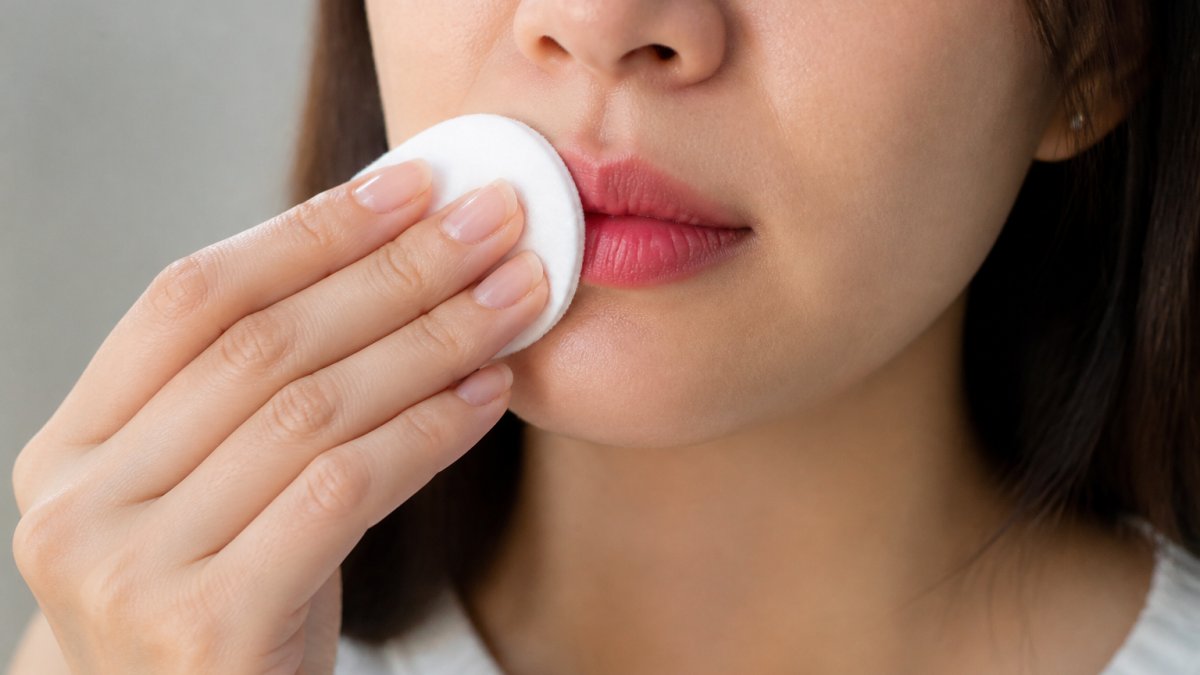
Step 2: Massage Gently in Tiny Circles
After the minute is up, use your fingertip or the pad to massage your lips in tiny circles. Keep the pressure light, imagine you're buffing away dried paint, not scrubbing a stain from fabric.
Work the oil across your entire lip surface. Pay extra attention to the corners and edges where pigment tends to concentrate. The massage helps the oil penetrate deeper and loosens stubborn residual color.
Step 3: Wipe Away Gently Without Scrubbing
Use a fresh cotton pad or soft cloth to wipe away the oil and dissolved color. Wipe gently in one direction, don't go back and forth aggressively. The color should come off easily now that the oil has done its work.
If you see residual color remaining, repeat steps 1 and 2 instead of pressing harder. A second gentle pass works better than one aggressive attempt.
Step 4: Rinse and Check for Residual Color
Rinse your lips with lukewarm water. Pat dry gently with a soft cloth. Look in the mirror to see if any pigment remains.
Complete removal sometimes takes two passes, especially with heavily pigmented stains. This is normal. Patience beats pressure every time.
How to Remove Lip Stain From Skin
Long-wear lip stain often bleeds onto the skin around your lips, creating a darker outline. Removing it from skin requires the same gentle approach.
Apply your chosen oil-based remover to the stained area and let it sit for 30 seconds.
The skin around your lips is sensitive. Avoid scrubbing, which causes redness and irritation. If stain persists after two gentle passes, leave it.
Never use harsh exfoliants or abrasive cloths on this delicate area.
Gentle Makeup Remover for Lips: Choosing the Right Product
Not all removers are built for long-wear lip stain. The right pick depends on how stubborn your formula is, how sensitive your lips are, and how much time you want to spend. Here is how the main options compare, and exactly how to use each one without rubbing.
Cleansing Oils
Best for: Heavily pigmented, transfer-resistant stains and normal-to-dry lips.
How to use without rubbing: Dispense 2-3 pumps onto a cotton pad or your fingertips. Press against your lips and hold for 60 seconds, do not swipe yet. Then glide the pad once from corner to center in a single direction.
Trade-offs: Cleansing oils dissolve pigment fastest and rinse clean, but some formulas can leave a film if not rinsed thoroughly. They are not ideal if you are prone to clogged pores around the mouth.
Micellar Water
Best for: Light stains, touch-ups, and travel.
How to use without rubbing: Soak a cotton pad until it is fully saturated, a dry pad is what forces you to scrub. Press and hold for 30-45 seconds, then wipe once. Repeat with a fresh saturated pad.
Trade-offs: Micellar water is the gentlest option but struggles with true long-wear resins. It is a good first pass or a backup, not a primary remover for transfer-resistant stain.
Balm Removers
Best for: Dry, cracked, or reactive lips.
How to use without rubbing: Scoop a pea-sized amount and warm it between your fingertips until it melts to oil. Press onto lips for 60 seconds, then massage in tiny circles with your fingertip, no pad needed. Wipe with a soft, damp cloth.
Trade-offs: Balms combine dissolving power with conditioning, so they double as aftercare. They cost more per use and can feel heavy, but they are the safest choice when lips are already irritated.
Dedicated Lip Removers
Best for: Stubborn long-wear formulas and anyone who removes stain frequently.
How to use without rubbing: Follow the package directions, but the principle is the same, saturate, wait, wipe once, repeat. Dedicated removers are formulated to break down lip-specific resins and often include emollients that cushion the wipe.
Trade-offs: Highest cost per ounce, but the most reliable single-step removal for heavily pigmented stains.
Quick Decision Guide
- Lips normal, stain stubborn: cleansing oil, 60-second soak, one-direction wipe.
- Lips dry or irritated: balm remover, warm between fingers, massage, damp-cloth wipe.
- Light stain or on the go: micellar water, fully saturated pad, 30-45 second hold.
- Frequent heavy stain use: dedicated lip remover, follow label, repeat rather than rub.
Whichever you choose, the technique matters more than the product: saturate, wait, wipe once, repeat. That sequence is what keeps you from scrubbing.
Caring for Sensitive, Dry, or Irritated Lips After Removal
If your lips sting, feel tight, or look red after removal, the method was too aggressive for your lips that day. Sensitive, dry, and cracked lips need a modified routine, not just a different balm afterward.
Safe Adaptations Before You Remove
- Skip the pad. Use your fingertip to apply remover and massage gently. Pads create friction; fingers do not.
- Shorten the hold, repeat more. Instead of one 60-second soak, do two 30-second soaks with a fresh application in between. Less time under pressure, same total dissolve.
- Choose a balm over an oil. Balms cushion the wipe and condition as they dissolve, which matters when the lip barrier is already compromised.
- Avoid anything with exfoliating acids, menthol, or fragrance in the remover. These sting on cracked lips and slow healing.
- Do not remove stain right before bed. Give lips an hour with a hydrating balm before sleep so the barrier can recover.
Aftercare That Actually Helps
Apply a plain, fragrance-free occlusive balm immediately after removal, shea butter, petrolatum, or a ceramide-based lip balm. Avoid matte, long-wear, or plumping products for at least a few hours. If your lips feel dry again within the hour, reapply; the goal is to keep the barrier covered, not to wait for symptoms.

When to Stop
Stop removal and leave the remaining color if you notice:
- Bleeding or open cracks, any further wiping will worsen them.
- Persistent stinging that does not fade within a minute of wiping.
- Swelling or a raised rash, this can signal a reaction to the remover, not just irritation.
- Color that will not budge after two gentle passes, forcing a third pass on reactive lips causes more damage than leaving faint color overnight.
If Irritation Persists
If redness or dryness lasts more than a few hours after removal, switch removers before your next attempt. Coconut oil is a common culprit for reactive lips; jojoba oil or a fragrance-free balm remover is often better tolerated. If irritation lasts more than a day or keeps recurring, stop using long-wear stain temporarily and consult a dermatologist, persistent lip irritation can have causes beyond removal technique.
Preventing the Problem Next Time
- Remove stain the same day you apply it rather than sleeping in it.
- Keep a balm remover on hand for days when lips already feel dry.
- Apply a thin layer of balm before bed on days you wear long-wear stain, even if lips feel fine.
Sensitive lips are not a reason to skip long-wear stain, they are a reason to slow down the removal and let the product do the work.
What to Do When Pigment Remains After the First Pass
Sometimes a second pass is needed. This is especially true for heavily pigmented shades or if you applied multiple layers of stain.
Apply oil again and wait a full minute. Massage gently. Wipe away. Check your progress.
A third pass is rarely necessary if you're using the right remover and following the steps correctly. If pigment still remains after two complete rounds, the issue is usually one of these:
- Your oil isn't breaking down the pigment (try a different oil)
- You're not waiting long enough between application and wiping (increase wait time to 90 seconds)
- You're wiping too quickly (let the oil sit longer before attempting removal)
Residual color fades naturally over 24 hours as your lips naturally shed dead skin cells. Forcing removal through scrubbing causes more damage than leaving faint color overnight.
Common Mistakes to Avoid When Removing Long-Wear Stain
Scrubbing instead of letting the remover work. This is the biggest mistake.
Skipping the waiting period. Applying oil and immediately wiping defeats the purpose.
Using rough cloths or tissues. Soft cotton pads are essential. Rough textures cause micro-tears and irritation.
Removing stain right before bed. Give your lips time to recover after removal.
Removing long-wear lip stain the right way protects your lips while delivering complete color removal.
Frequently Asked Questions
How long should I let makeup remover sit on lip stain before wiping?
Let the remover sit for 30 seconds to 1 minute. This gives the oil time to dissolve the pigment and loosen the staining residue. A little goes a long way, you don't need to wait longer than a minute. The longer you wait, the easier the color will come away without scrubbing, but extended soaking isn't necessary and can dry your lips.
Can oil-based makeup remover dissolve long-wear lip stain completely?
Yes, oil-based remover dissolves transfer-resistant color effectively because pigment clings to oil. Cleansing oils, coconut oil, and jojoba oil all work well. Apply, let it sit briefly, then massage gently in tiny circles. Most long-wear stain comes away in one pass, though some residual color may remain, a second application removes it without irritation.
What should I do if my lips are sensitive or already irritated?
Use a gentle, hydrating makeup remover specifically formulated for delicate skin. Apply it with a soft cotton pad and avoid massaging, instead, let the remover sit longer to do the work. After removal, apply a nourishing lip balm immediately. If your lips are cracked or very irritated, skip aggressive removal and use only oil, waiting longer between applications to minimize friction.
Is it normal for some lip stain pigment to stay on after removal?
Yes. Long-wear and transfer-resistant formulas are designed to stain, so some residual color often remains after the first pass. This is normal and fades over a few hours. If you want to remove it completely, apply remover again and repeat the gentle massage, do not scrub harder. Most of the visible stain comes away in the first removal; what remains is minimal tint.