

Table of Contents
- What Makes Natural Lip Balm Effective for All-Day Wear
- Long-Lasting Natural Lip Balm Ingredients That Deliver Results
- How Often to Apply Lip Balm for Continuous Protection
- How to Prevent Dry Chapped Lips Throughout Your Day
- Natural vs. Petroleum-Based Lip Balms: What the Science Shows
- Building Your All-Day Lip Care Routine
- Frequently Asked Questions
Last Updated: September 22, 2026
What Makes Natural Lip Balm Effective for All-Day Wear
Natural lip balm delivers all-day protection when you understand what makes it work: specific ingredients, reapplication frequency, and proper barrier formation matter more than the "natural" label.
Your lips lack oil glands, making them naturally prone to dryness. A natural lip balm effective for all-day wear combines emollients (which soften and hydrate) with occlusives (which seal in moisture and prevent transepidermal water loss, TEWL, the evaporation of moisture from your lip surface).
Most people apply balm once in the morning and expect it to last all day. Saliva breaks down formulas, eating and drinking wash them away, and wind and sun accelerate moisture loss. Understanding this reality is key to effective all-day protection.
The difference between a balm that lasts two hours and one that delivers consistent hydration all day comes down to ingredient selection and reapplication strategy, not whether it's labeled "natural" or synthetic.
Long-Lasting Natural Lip Balm Ingredients That Deliver Results
The most effective natural ingredients work through two mechanisms: emollients that restore the lip barrier, and occlusives that prevent transepidermal water loss (TEWL), moisture evaporation through the lip surface.
Emollient ingredients: Barrier restoration. Shea butter, jojoba oil, and coconut oil replenish the lipids (fats) that lips naturally lack. Jojoba oil is particularly effective because its molecular structure mimics skin sebum, allowing deeper absorption. Apply these to clean, slightly damp lips for better penetration.
Occlusive ingredients: TEWL prevention. Beeswax is the gold standard natural occlusive. It forms a semi-permeable seal on the lip surface that blocks water vapor from escaping while still allowing skin to breathe. Plant-based alternatives like candelilla wax and carnauba wax offer similar occlusive function for vegan formulations, though they may require slightly higher concentrations to match beeswax's effectiveness. The occlusive layer is what extends wear time, without it, emollients alone hydrate temporarily but don't prevent moisture loss.
Why saliva breaks down natural balms faster than petroleum-based ones. Saliva contains enzymes (amylase and lipase) that break down plant-based waxes and oils, while petroleum-derived mineral oil is chemically inert and resistant. This is a trade-off: natural balms nourish lips better but require more frequent reapplication (every 2-3 hours versus 3-4 hours for petroleum-based formulas). "All-day wear" means consistent hydration with strategic reapplication, not a single 12-hour application.
Vitamin E and antioxidant support. Vitamin E protects lip cells from oxidative stress and prevents lipid peroxidation, extending your balm's occlusive layer lifespan. Essential oils add sensory appeal but don't meaningfully contribute to hydration or barrier function.
Ingredient synergy matters more than individual components. The most effective natural lip balms combine emollients and occlusives in balanced ratios, typically 40-60% occlusive wax and 40-60% emollient oils, with 5-10% supporting ingredients. Look for formulas that list emollients and occlusives in the first four ingredients.
How Often to Apply Lip Balm for Continuous Protection
A single application of natural lip balm typically lasts 2-4 hours depending on activities, environment, and formula. "All-day wear" means consistent hydration through strategic reapplication, not one morning application lasting until bedtime.
Why reapplication is necessary: The three factors that break down balm coverage.
-
Saliva and enzymatic breakdown. Eating, drinking, or talking causes saliva to break down the balm's protective layer. Natural balms lose 30-50% of their protective layer within 30 minutes of eating or drinking.
-
Mechanical removal through friction. Talking, smiling, and touching your lips wear away the balm layer. High-talk environments require more frequent reapplication.
-
Environmental moisture loss acceleration. Wind, low humidity, sun exposure, and dry heating increase transepidermal water loss (TEWL). In dry climates or winter, lips lose moisture 2-3 times faster than in humid environments.
Activity-based reapplication schedule.
Instead of a one-size-fits-all recommendation, match your reapplication frequency to your actual activities and environment:
| Activity / Environment | Reapplication Interval | Why |
|---|---|---|
| Indoor office work, minimal talking | Every 3-4 hours | Low environmental stress and minimal mechanical removal |
| Outdoor activities (walking, exercise) | Every 1-2 hours | Wind and sun exposure accelerate TEWL; physical activity increases saliva contact |
| After eating or drinking | Immediately after | Balm is mechanically removed and saliva has degraded the protective layer |
| High-talk environments (meetings, teaching, calls) | Every 1.5-2 hours | Friction and saliva contact accelerate breakdown |
| Dry climate or winter conditions | Every 1-2 hours | Environmental TEWL is elevated; occlusive layer depletes faster |
| Swimming or water sports | Immediately after | Water removes balm entirely; reapply with a water-resistant formula |
| Before bed | Once at night | Supports overnight hydration and repair when saliva flow decreases |
The "all-day wear" expectation: Setting realistic timelines.
Marketing claims of "12-hour wear" are misleading. True all-day hydration requires 3-5 reapplications for most people. Reapply balm as a preventative habit before dryness starts, not after, to maintain the protective barrier continuously.
Practical implementation: Making reapplication automatic.
Keep lip balm in three locations: your desk, your bag, and your car. Establish reapplication triggers tied to existing habits:
- After meals: Immediately after eating or drinking, reapply balm while you're already in the habit of touching your face.
- Mid-morning and mid-afternoon: Set a phone reminder if you're in a dry environment or high-talk setting.
- Before outdoor activities: Apply a balm with SPF 15 or higher before sun exposure.
- Before bed: Apply a richer formulation to support overnight hydration.
If your routine requires you to remember to reapply without a trigger, you'll likely forget. Tie reapplication to activities you already do, and it becomes automatic rather than an additional task.
How to Prevent Dry Chapped Lips Throughout Your Day
Preventing chapped lips starts with understanding what causes them. Dryness happens when your lips lose moisture faster than your body can replace it. This accelerates in winter, in dry climates, at high altitudes, and when you're dehydrated.
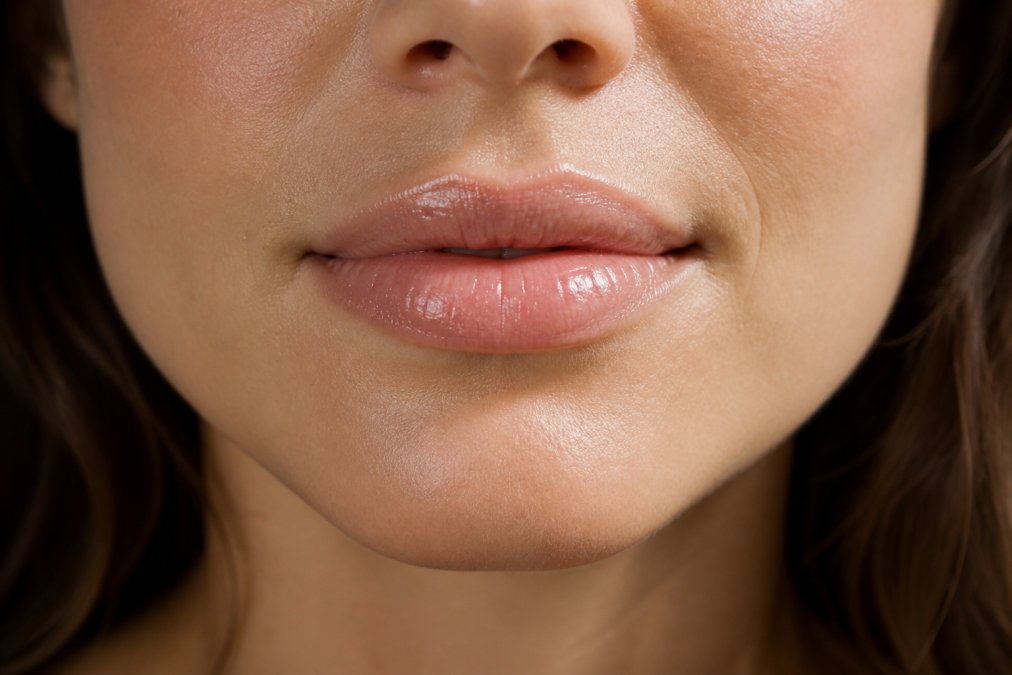
Start with clean lips. Exfoliate gently 2-3 times per week using a soft lip scrub to remove dead skin. Charmstyle Beauty's Kiwi Lipscrub and Strawberry Lipscrub gently buff away flaking skin while infusing hydration, creating a smooth base for balm application.


Apply balm to damp lips. After exfoliating or after you've rinsed your face, apply balm while your lips are still slightly damp. This helps the emollients absorb better and the occlusive seal in that moisture.
Avoid licking your lips. Saliva dries out lips faster than it hydrates them. When your lips feel dry, the instinct to lick them actually makes the problem worse. Apply balm instead.
Stay hydrated. Drinking enough water supports overall skin hydration, including your lips. If you're chronically dehydrated, no topical balm will fully compensate.
Protect from environmental stress. In winter, cold air and indoor heating both accelerate moisture loss. Wear a scarf that covers your mouth when outdoors. In summer, use a lip balm with SPF protection to shield against sun damage, which compromises your lip barrier.
Use the right formula for your environment. In very dry conditions, a richer balm with more occlusive ingredients performs better than a light, watery formula. In humid climates, a lighter formula feels more comfortable.
Natural vs. Petroleum-Based Lip Balms: What the Science Shows
The "natural versus petroleum" debate often obscures what actually matters for lip health: ingredient function and formulation quality.
Petroleum-based balms (typically mineral oil or petrolatum) are occlusives.
Building Your All-Day Lip Care Routine
An effective all-day lip care routine has three components: preparation, maintenance, and recovery.
Frequently Asked Questions
Does natural lip balm actually provide long-lasting moisture throughout the day?
Natural lip balms can deliver all-day hydration when formulated with occlusive ingredients like beeswax and emollients such as shea butter or jojoba oil. These create a protective barrier that slows transepidermal water loss (TEWL), the process where moisture evaporates from your lips. However, eating, drinking, and talking gradually wear away the balm, typically requiring reapplication every 2-4 hours for sustained comfort. Products like Charmstyle Beauty Lip Balm combine creamy, ultra-pigmented formulas with nourishing ingredients to maintain hydration.
How often should you reapply natural lip balm for best results?
Most people benefit from reapplying natural lip balm every 2-4 hours, or immediately after eating, drinking coffee, or meals. Your lips lack oil glands, making them inherently prone to dryness. Natural balms with stronger occlusive properties (beeswax-based) may last longer than lighter formulas. Starting your day with a hydrating scrub, like Charmstyle Beauty's Moisturizing Lip Scrub used 2-3 times weekly, removes flaky skin and preps lips to absorb balm more effectively, reducing how often you need to reapply.
What natural ingredients make lip balm last longer?
Long-lasting natural lip balm ingredients include beeswax (a strong occlusive that seals moisture), plant-based waxes for sustained wear, shea butter and coconut oil as emollients, and vitamin E as an antioxidant protectant. Jojoba oil mimics your skin's natural oils and absorbs quickly without feeling greasy. Essential oils add sensory appeal but don't significantly extend wear time. Formulas combining multiple occlusive and emollient layers create a supple, hydrated finish that resists saliva breakdown better than single-ingredient balms.
Can natural lip balm prevent chapped lips if used consistently?
Yes. Consistent use of natural lip balm, paired with gentle exfoliation 2-3 times weekly, significantly reduces chapped lips. Prevention works by maintaining the lip barrier function, the protective layer that prevents transepidermal water loss. Environmental elements like wind, cold, and low humidity accelerate dryness; natural balms with occlusive and humectant ingredients counteract this. Using products like Charmstyle Beauty's Moisturizing Lip Scrub before applying balm removes dead skin cells, allowing hydrating formulas to penetrate deeper and work more effectively.