

Table of Contents
- Why Matte Formulas Can Be a Challenge for Mature Skin
- Satin, Cream, and Gloss: The Best Non Sticky Lip Gloss Formulas
- How to Prevent Lipstick From Bleeding Into Fine Lines
- Choosing the Right Shade for Changing Undertones
- Hydrating Ingredients That Support the Moisture Barrier
- Lip Prep: Exfoliation and Priming for Smooth Application
- Effortless Alternatives to Matte Lipstick for Mature Skin
- Frequently Asked Questions
Last Updated: September 19, 2026
Why Matte Formulas Can Be a Challenge for Mature Skin
Matte lipstick reflects little light, making every fine line and vertical lip line more visible. As lips thin with age, a flat finish emphasizes texture instead of smoothing it.
A matte formula also feels tight, pulling at the delicate skin around the mouth and deepening existing lines. For anyone searching for alternatives to matte lipstick for mature skin, the goal isn't to give up color but to find a finish that flatters instead of fights your texture.
Satin, Cream, and Gloss: The Best Non Sticky Lip Gloss Formulas
The best non sticky lip gloss formulas rely on emollient, cushiony textures rather than heavy waxes. Satin and cream finishes sit between matte and high-shine, offering a soft-focus look that blurs texture instead of highlighting it.

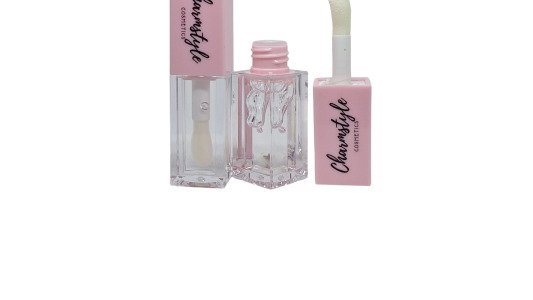
Here's how the three main finishes compare:
| Finish | Look | Best For | Watch Out For |
|---|---|---|---|
| Satin | Soft, lit-from-within | Everyday wear, mature lips | Needs lip prep |
| Cream | Rich, opaque color | Dry or thin lips | Can transfer |
| Gloss | High shine, plumping effect | Adding volume, casual days | Reapplication |
Satin is the safest everyday pick for aging skin, delivering color payoff without matte's flatness. Cream feels more nourishing and hides vertical lip lines well.
How to Prevent Lipstick From Bleeding Into Fine Lines
To prevent lipstick from bleeding into fine lines, start with a lip primer or thin layer of concealer around the lip border, then set it lightly. This barrier stops color from traveling into vertical lip lines.
The steps that actually work:
- Prep with a gentle exfoliation to remove flaky skin
- Apply a thin lip primer or balm and let it absorb
- Trace the lip line with a liner close to your natural shade
- Blot, then build color in thin layers
- Skip heavy gloss right at the outer edge
Choosing the Right Shade for Changing Undertones
Most shade guides tell you to find your undertone and stop there. That breaks down for mature skin, because undertones don't stay put. As skin thins and loses melanin and hemoglobin visibility, the complexion drifts cooler, duller, or more yellow-sallow than it was in your thirties. A lip color that read as a flattering true nude a decade ago can now pull gray or muddy against that shifted base.
How undertones actually shift
Three changes drive most of the drift:
- Loss of melanin makes the skin more translucent, so underlying blue and purple tones from veins show through more, pushing the complexion cooler.
- Reduced surface redness (from lower capillary visibility) removes the natural flush that used to warm up the face, which is why many people look more sallow or washed out than they remember.
- Yellowing of the skin's collagen as it glycates adds a dull gold cast, especially around the mouth and chin.
Which color families counteract which problem
Instead of the usual "rose is safe" advice, match the color family to the specific issue:
| What you see | What's happening | Color families that correct it |
|---|---|---|
| Sallow, yellow-gray cast | Glycation plus lost redness | Cool rose, berry, raspberry, cool mauve |
| Washed out, low contrast | Lost melanin and pigment | Mid-depth rose, plum, warm brick (not beige) |
| Cool, bluish, or ashy | Vein show-through | Warm peach, coral, soft terracotta |
| Dull but not yellow | Flat light reflection | Saturated rose, sheer red, berry stain |
The contrast rule for thinning lips
As lips thin, they lose the natural border that defined them, and a shade too close to your skin tone erases the lip entirely. Keep one step of contrast between lip and skin, a half-shade deeper or more saturated than feels natural. Sheer tints are forgiving because they blend with your natural lip color, giving correction without a hard edge.
Testing shades against a shifted undertone
Swatch on the lip, not the hand, the hand has different melanin density and sun exposure, so it will lie to you. Test in daylight, checking the shade against the chin and jaw, where sallowness reads most. If a shade makes the area around your mouth look darker or grayer, it's fighting your undertone, no matter how good it looks in the tube.
Hydrating Ingredients That Support the Moisture Barrier
Most articles tell you to look for hyaluronic acid and ceramides and leave it there. Mature lips need a specific ingredient architecture, not just a hydrating-sounding label, because of how the lip barrier works and degrades with age.
Why the lip barrier is different from the rest of your skin
The lips have no sebaceous glands, so they produce no sebum and have no built-in oil layer to slow water loss. They also have a very thin stratum corneum and sit over a dense capillary bed, which is why they look pink and dry out faster than any other part of the face.
The three ingredient classes, and why you need all three
A hydrating lip product that only does one of these will feel good for twenty minutes and then leave you drier than before.
What a well-built formula looks like
Look for humectant plus emollient plus occlusive, with ceramides as a bonus. A formula that leads with glycerin or hyaluronic acid, follows with shea or jojoba, and seals with lanolin or silicone will hydrate, smooth, and hold. One that's mostly wax and pigment with a token "hyaluronic acid" does none of those things meaningfully.
Ingredient order matters more than the front label
Ingredients are listed in descending order of concentration. If hyaluronic acid or ceramides appear after fragrance and preservatives, they're at token levels. If shea, jojoba, or squalane appear in the first five or six ingredients, the formula is genuinely emollient. It's the fastest way to tell a hydrating product from a marketing one.
Lip Prep: Exfoliation and Priming for Smooth Application
Lip prep is the step most people skip, and it makes the biggest difference. Gentle exfoliation removes the dead skin that causes patchy color, while priming smooths the surface so product applies evenly.
Effortless Alternatives to Matte Lipstick for Mature Skin
The best alternatives to matte lipstick for mature skin are satin, cream, and glossy formulas that hydrate while they color, giving definition and payoff without the dryness that makes matte finishes aging.
For a quick daily routine, here's what works:
- Everyday: a sheer tinted gloss or balm-like stain
- Work: a satin or cream lipstick with a hydrating base
- Evening: a berry or rose stain topped with a clear gloss for shine
Frequently Asked Questions
What type of lipstick is best for older lips?
Satin, cream, and gloss finishes are generally more flattering for mature lips than matte formulas. These textures reflect light, which helps minimize the look of fine lines and vertical lip lines. They also tend to be more hydrating, supporting the moisture barrier and preventing the dryness that can make lips look thinner. Look for buildable coverage and nourishing ingredients like ceramides or hyaluronic acid.
What color lipstick makes you look younger?
Colors that mimic your natural lip tone but slightly brighter can create a more youthful appearance. For many, soft rose, berry, or warm nudes work well. Avoid extremely dark or extremely pale shades, which can cast shadows or wash out your complexion. A sheer tint or a satin finish with a hint of color often provides a soft focus effect that flatters mature skin without looking heavy.
How can I keep my lips hydrated while wearing color?
Start with a gentle exfoliation using a moisturizing lip scrub, then apply a hydrating balm or primer. Choose non-drying formulas such as lip stains or glosses that contain emollients. Reapply a clear hydration gloss throughout the day to maintain moisture. Avoid long-wear matte liquids that can strip lips of natural oils. Drinking water regularly also supports lip health from within.
Are lip stains better than matte lipstick for aging lips?
Lip stains can be a better choice because they provide long-lasting color without the heavy, drying texture of matte lipstick. They often have a lightweight, buildable consistency that feels comfortable and won't settle into fine lines. However, some stains can still be drying, so look for hydrating formulas. A stain topped with a non-sticky gloss offers both color payoff and moisture.
What lip finishes are most flattering for mature skin?
Satin, cream, and glossy finishes are typically the most flattering. Satin offers a subtle sheen without being overly shiny, while cream textures provide rich color with a soft, nourishing feel. Gloss adds a plumping effect and reflects light away from fine lines. Sheer tints and balm-like formulas also work well for an effortless, natural finish that enhances lip volume.
Matte formulas ask mature lips to do something they're not built to do anymore: stay smooth and flat all day. The better path is a finish that works with your texture instead of against it. Charmstyle Beauty Cosmetics builds lightweight, wearable glosses and stains designed for everyday confidence, with hydrating, non-sticky formulas that elevate your natural glow. Explore the collection and find the shade that makes your daily routine effortless.