

Last Updated: October 24, 2026
Quick Summary
To protect lips from windburn, use a physical barrier like a neck gaiter or scarf to block wind exposure, apply a quality lip balm with occlusive ingredients like petroleum jelly or beeswax, and reapply protection every 2 hours during outdoor activities. This combination prevents moisture loss and keeps your lips comfortable in cold, windy conditions.
- Windburn happens when cold, dry air strips moisture from lips, which lack protective oil glands like other facial skin.
- A physical barrier such as a neck gaiter or scarf does the heavy lifting in windburn prevention and should be paired with lip balm.
- The best lip balm contains occlusives like petroleum jelly or wax to seal moisture, plus humectants like glycerin or honey.
- Lip balm protection wears away quickly from eating, drinking, talking, and wind friction, requiring reapplication every 60-90 minutes during active sports.
- Petroleum jelly applied thickly before bed helps repair windburned lips within 3-5 days of consistent use.
Table of Contents
- What Windburn Is and How It Damages Your Lips
- Windburn vs Sunburn on Lips: Key Differences
- Step 1: Create a Physical Barrier Against Wind Exposure
- Step 2: Apply the Best Lip Balm for Windburn Prevention
- Step 3: Use Petroleum Jelly for Windburned Lips Repair
- Step 4: Reapply Protection During Outdoor Activities
- Treating Windburned Lips: Soothing and Healing
- When to Seek Medical Attention for Lip Irritation
- Frequently Asked Questions
What Windburn Is and How It Damages Your Lips
Windburn is skin damage caused by cold, dry air moving across exposed skin at high speeds. Your lips are especially vulnerable because they lack oil glands that protect other parts of your face.
The damage happens fast. Even 15 minutes in harsh wind can start the process. Your lips crack because the skin loses its ability to retain water. The outer layer becomes fragile and begins to peel.
The good news is that windburn is preventable with the right approach. You don't need expensive treatments or complicated routines. You need a solid strategy and the right products.
Windburn vs Sunburn on Lips: Key Differences
Windburn and sunburn damage your lips in different ways, which means prevention strategies differ too. Windburn is purely a moisture-loss problem. Cold air pulls water from your skin faster than your body can replace it.
Sunburn is radiation damage. UV rays penetrate deeper into skin cells and cause inflammation. Sunburned lips often feel hot and painful immediately. They may blister or peel within hours.
Here's what matters for protection:
- Windburn needs moisture barriers and wind blockers
- Sunburn needs SPF protection
- Both can happen at the same time in winter sports or high-altitude activities
- Cold weather doesn't mean you skip SPF, snow reflects UV rays
You can get windburn on a cloudy day. You can get sunburn in winter. The best approach uses both strategies: a physical barrier against wind plus SPF protection.
Step 1: Create a Physical Barrier Against Wind Exposure
The most effective windburn prevention starts before you apply any product. Create a physical barrier that blocks wind from reaching your lips directly. This stops moisture loss at the source.
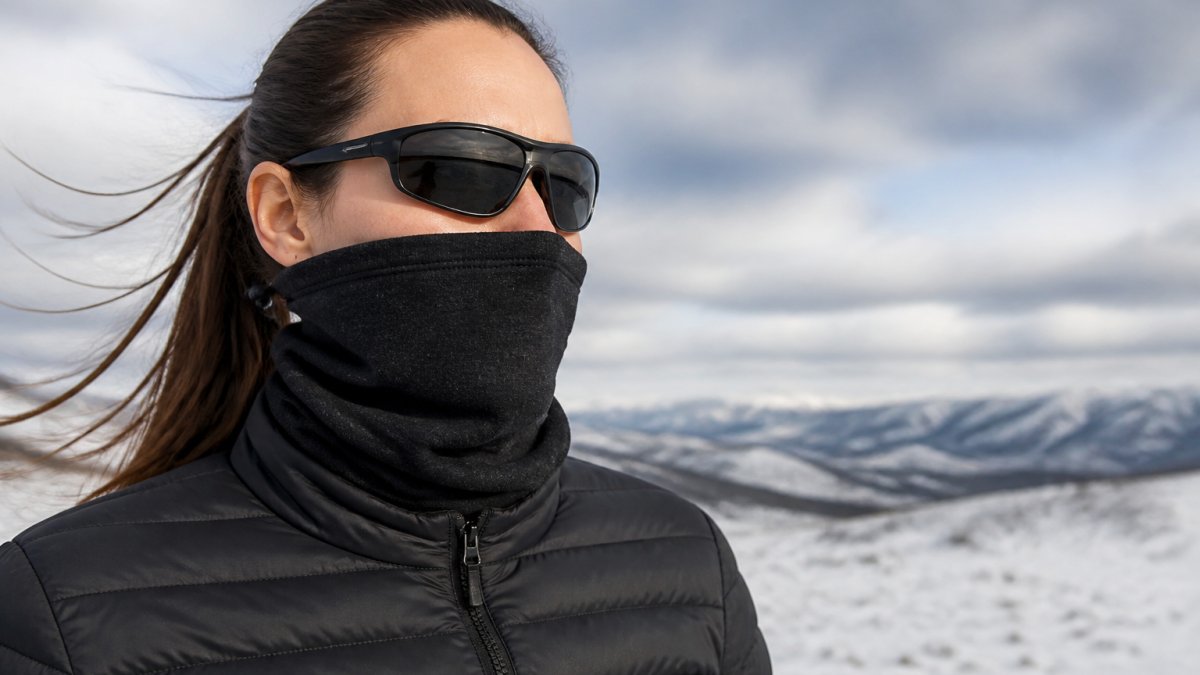
Use these wind-blocking methods:
- Neck gaiter or balaclava pulled up to cover your lips completely
- Scarf wrapped around your lower face
- Cycling glasses or sports sunglasses to shield the lip area
- Ski mask or face covering designed for cold-weather activities
- Cupped hand over your mouth when you're outside briefly
The key is coverage. If wind can reach your lips, they're still at risk. A neck gaiter works better than a scarf because it stays in place while you move. Scarves shift and leave gaps.
This step alone prevents most windburn cases. Many people skip it because they think lip balm is enough. It's not. Balm helps, but a physical barrier does the heavy lifting. Use both together for maximum protection.
Step 2: Apply the Best Lip Balm for Windburn Prevention
Once you have a physical barrier in place, add a protective lip balm. Learn comprehensive strategies for preventing dry chapped lips, which overlap with windburn prevention.
What to look for in a windburn-prevention balm:
- Occlusive base, petroleum jelly, beeswax, candelilla wax, or carnauba wax. These form a physical film on the lip surface that slows water loss. Petroleum jelly is the most effective single occlusive; waxes are slightly less occlusive but feel less greasy.
- Humectants, glycerin, hyaluronic acid, or honey. These pull water into the outer layer of skin. They work best when paired with an occlusive on top, because humectants alone can draw moisture out of lips in very dry air.
- Emollients, plant oils such as jojoba, shea butter, or squalane. These soften and smooth cracked skin without sealing it completely.
- SPF 30 or higher, only necessary when UV exposure is part of the picture (see the SPF note below).
- Fragrance-free and flavor-free, added fragrances, menthol, camphor, and cinnamon flavoring are common irritants on already-compromised lips.
Barrier protection vs. SPF protection, they are not the same thing.
A balm with petroleum jelly or wax protects against wind by slowing moisture loss. It does not protect against UV rays.
Application technique matters as much as the product.
Apply a generous, visible layer, not a thin smear. The film needs to be thick enough to remain intact as you talk, eat, and move.
A quality balm is one part of the system. The combination of a physical barrier plus an occlusive balm is what actually prevents windburn.
Step 3: Use Petroleum Jelly for Windburned Lips Repair
If your lips are already windburned, petroleum jelly becomes your primary repair tool. It's an occlusive ointment that seals moisture into damaged skin and gives it time to heal.
How to use petroleum jelly for windburned lips:
- Apply a thick layer before bed
- Reapply 2-3 times during the day
- Use it under your lip balm for extra protection
- Keep it on for at least a week for visible improvement
- Don't pick at peeling skin, let petroleum jelly soften it naturally
The thick consistency matters. Thin moisturizers evaporate quickly and don't provide lasting protection. Petroleum jelly stays on your lips and continues working even while you sleep. Many people see improvement within 3-5 days of consistent use.
Pair petroleum jelly with your wind-protection routine. Don't just apply it at night and then go outside unprotected during the day.
Step 4: Reapply Protection During Outdoor Activities
Reapplication is where most people fail. They apply lip balm once and assume they are protected for hours.
Why balm disappears faster than you think:
- Eating and drinking, saliva and liquids dissolve and lift the balm film. Even a few sips from a water bottle can remove a significant portion.
- Wiping your mouth, a napkin, glove, or sleeve takes the balm with it.
- Talking and breathing, repeated lip movement and exhaled moisture break down the film over time.
- Friction from face coverings, a gaiter or scarf that rubs against your lips can wear away balm in minutes.
- Wind itself, sustained wind physically erodes the occlusive layer, especially at high speeds.
Reapplication timing for different activities:
- Casual outdoor time (walking, commuting): every 2 hours
- Active sports or skiing: every 60-90 minutes
- After eating or drinking: immediately
- After swimming or water exposure: immediately
- During extended cold-weather activities: every 30-45 minutes
- Any time you wipe your mouth or adjust a face covering: reapply
Build a reapplication habit that survives real conditions:
Set phone reminders if you are spending the whole day outside. This sounds excessive, but it is the difference between protected lips and windburned lips.
Watch for early signals that protection is wearing off: lips starting to feel dry, tight, or cool. That is your cue to reapply immediately, before visible chapping begins. Do not wait until your lips are already cracked.
Reapplication is not a sign that your first application failed. It is the routine that makes the whole system work. Treat it as automatic, like checking your phone or adjusting your goggles.
Lip balm protection wears away quickly during outdoor activities, so reapplication timing depends on what you are doing.
| Activity | Reapplication Frequency |
|---|---|
| Casual outdoor time (walking, commuting) | Every 2 hours |
| Active sports or skiing | Every 60-90 minutes |
| After eating or drinking | Immediately |
| After swimming or water exposure | Immediately |
| Extended cold-weather activities | Every 30-45 minutes |
| After wiping mouth or adjusting face covering | Reapply |
| SPF balm during sun exposure | Every 2 hours minimum |
Treating Windburned Lips: Soothing and Healing
If windburn has already happened, your goal shifts to healing and preventing further damage. The first step is stopping the cycle.
Healing strategy for windburned lips:
- Apply petroleum jelly every 2-3 hours during the day
- Use a thick layer before bed and sleep with it on
- Avoid lip licking, which removes moisture and worsens dryness
- Skip lipstick and glosses until healing is complete
- Stay hydrated by drinking plenty of water
- Use a humidifier in your bedroom at night
The LIP Hydration Clear Gloss provides a hydrating option if you need color while healing. The gloss adds moisture without the heavy pigment that can irritate damaged lips.

Don't exfoliate or scrub windburned lips. The skin is already compromised. Gentle care only. If you see peeling skin, resist the urge to pick it off.
Healing takes time. Most windburn improves within 5-7 days with consistent care. Severe cases may take 2 weeks. Be patient and stick with your routine.
When to Seek Medical Attention for Lip Irritation
Most windburn heals on its own with proper care. But certain symptoms signal that you need professional help.
Seek medical attention if you experience:
- Severe blistering or bleeding that doesn't improve in 3 days
- Signs of infection: pus, increasing pain, or warmth around the lips
- Swelling that spreads to your face or makes it hard to eat
- Pain that doesn't improve with petroleum jelly and rest
- Persistent cracking or sores that last more than 2 weeks
- Allergic reaction symptoms: hives, itching, or difficulty breathing
An allergic reaction to a lip product can look similar to windburn but requires different treatment. Understand the signs of allergic reactions on lips to distinguish them from windburn symptoms.
Cold sores can also appear on lips and may be mistaken for windburn. Cold sores are caused by the herpes simplex virus and need antiviral treatment.
A dermatologist can quickly determine what's actually happening with your lips and recommend targeted treatment. Don't wait if symptoms are severe or worsening.
Windburned lips are preventable when you use the right combination of strategies: physical barriers, quality lip protection, and consistent reapplication.
The best way to protect lips from windburn is to start before you need treatment.
Frequently Asked Questions
What is windburn, and how does it affect your lips?
Windburn is skin irritation caused by prolonged exposure to cold, dry wind. Wind strips moisture from your skin's outer layer, damaging the protective barrier. Your lips are especially vulnerable because they lack oil glands and have thinner skin than the rest of your face. Windburned lips often feel dry, tight, and burning, with visible redness and flaking. Unlike sunburn, windburn doesn't involve UV damage, it's purely from moisture loss and wind exposure.
How do you protect your lips from windburn during outdoor activities?
Protect your lips from windburn by combining three strategies: use a physical barrier like a neck gaiter or face covering, apply a moisturizing lip balm with SPF before heading outside, and reapply every 1-2 hours or after eating and drinking. Choose a lip balm with hydrating ingredients like petroleum jelly, and avoid products with fragrance or menthol, which can dry lips further. During extended outdoor time in cold, windy conditions, check your lips frequently and reapply protection.
Is petroleum jelly good for windburned lips?
Yes, petroleum jelly is highly effective for windburned lips. It acts as an occlusive ointment, sealing in moisture and creating a protective barrier against wind exposure. Petroleum jelly doesn't absorb into skin, it sits on the surface, preventing further moisture loss. Apply it generously to windburned lips several times daily, especially before sleep. For best results, apply it to clean, slightly damp lips to lock in hydration. Many lip balms include petroleum jelly as a key ingredient for this reason.
How long does it take for windburned lips to heal?
Mild windburn typically heals within 2-5 days with proper care. More severe cases with cracking, flaking, or inflammation may take 1-2 weeks. Healing speed depends on how quickly you stop wind exposure, how consistently you apply moisturizing products, and your overall hydration levels. Avoid licking your lips, which removes moisture and delays healing. If your lips show signs of infection (oozing, severe swelling, or persistent pain beyond two weeks), consult a healthcare provider.
