

Table of Contents
- Why Lip Stain Fades Unevenly: The Real Causes
- How to Prep Lips for Lip Stain (The Step-by-Step Routine)
- Common Mistakes When Applying Lip Stain (And How to Avoid Them)
- How to Make Lip Stain Last All Day Without Touch-Ups
- How to Fix Patchy Lip Tint and Feathering Fast
- Post-Application Care: What to Do After Your Stain Settles
- Conclusion
- Frequently Asked Questions
Last Updated: October 1, 2026
Why Lip Stain Fades Unevenly: The Real Causes
If your lip stain fade looks patchy by lunchtime, the problem usually isn't the stain itself. It's the surface it landed on.
Here's how to fix it.
How Lip Texture and Dead Skin Cells Affect Color Payoff
Dead skin cells are the top culprit behind a patchy finish: pigment clings to some and slides off others, like painting a wall with peeling paint.
The Role of Hydration and Your Moisture Barrier
Hydration is what makes stain absorb evenly: a healthy moisture barrier leaves your lip surface smooth, plump, and ready to take color.
How to Prep Lips for Lip Stain (The Step-by-Step Routine)
Prepping is important. Most people skip it and then blame the product.
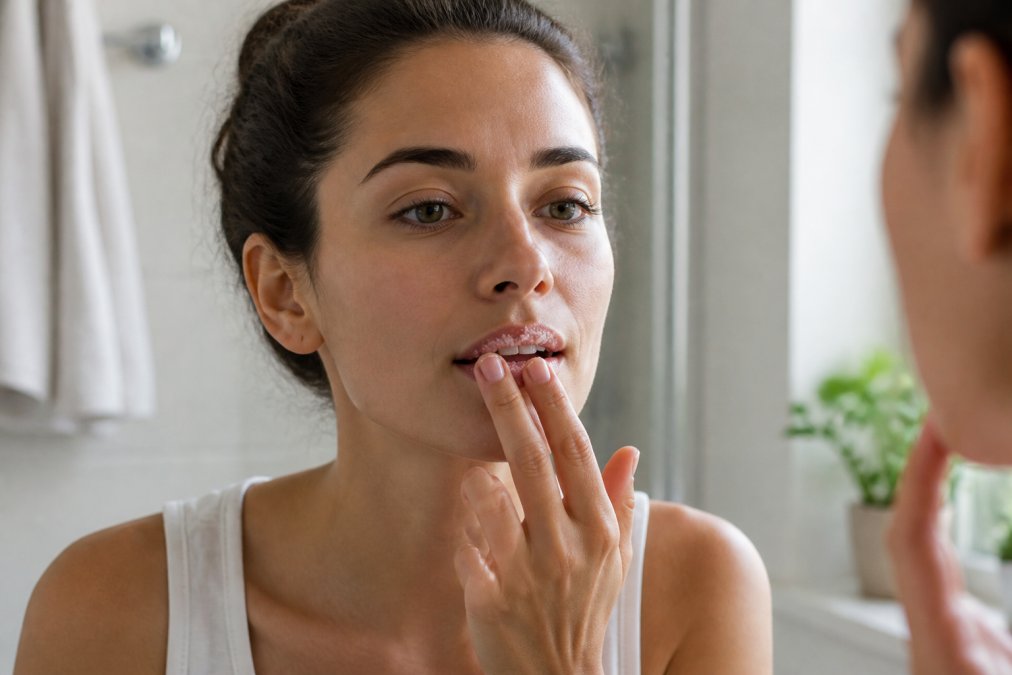
Here's the routine that works, in order:
- Exfoliate gently. Use a moisturizing lip scrub 2-3 times a week. Our Charmstyle Beauty Kiwi Lipscrub buffs away dry, flaky skin without stripping your lips.
- Rinse and pat dry. Don't rub. Rubbing creates new flakes.
- Apply a thin balm layer. Wait two minutes. Blot the excess.
- Apply your stain to clean, dry lips. Build in thin layers, not one thick swipe.
- Let it settle. Don't press your lips together for 60 seconds.
Common Mistakes When Applying Lip Stain (And How to Avoid Them)
Most uneven fade problems trace back to application, not formula:


- Applying to dry, unexfoliated lips. Pigment grabs dead skin and skips smooth areas.
- Layering too thick. A heavy coat dries unevenly and cracks.
- Pressing lips together too soon. This smears wet pigment into fine lines.
- Using an oil-based balm underneath. Oil breaks down stain before it sets.
- Skipping the lip line. Feathering and bleeding start at the edges.
- Reapplying over old color. Product buildup creates a patchy, cakey finish.
How to Make Lip Stain Last All Day Without Touch-Ups
Long wear comes down to three things: clean canvas, thin layers, and a settled finish. Start with the prep routine above, then apply two or three thin passes, letting each dry fully. Use the applicator tip to control the edges instead of dragging it across the whole lip.
For extra staying power, try this:
- Blot once with a tissue after the first layer
- Add a second thin layer only where you want more depth
- Finish with a clear gloss for shine, not for hold
How to Fix Patchy Lip Tint and Feathering Fast
Patchy tint needs a reset, not a touch-up. Stacking fresh stain over a fading layer makes things worse, new pigment bonds to old film in some spots and bare lip in others, so it fades in a different pattern.

The 90-Second Reset
- Dissolve, don't scrub. Press a cotton pad soaked in micellar water or a non-oil dual-phase remover against your lips for 10-15 seconds. Rubbing a dry tissue across set stain creates micro-tears that turn into flakes by afternoon.
- Buff the surface. Massage a fine-grain sugar or kiwi-seed scrub in small circles for 15 seconds, no longer. Over-scrubbing strips the moisture barrier and leaves a raw surface that grabs pigment in streaks.
- Neutralize the pH. Rinse with cool water. If lips feel tight or squeaky, pat on a thin glycerin-based balm and blot it off after two minutes, you want the surface conditioned, not coated.
- Rebuild in thin passes. Apply one sheer layer, wait 30-45 seconds, then add a second only where you want depth. Stop at the vermilion border instead of dragging past it.
Why Feathering Happens, and the Tool That Stops It
Feathering isn't a stain problem; it's a migration problem. Liquid stains stay fluid for 30-90 seconds, and if your lip line has fine vertical lines or an uneven border, pigment wicks outward along those channels before it sets.
- Fingers: Fastest, but the warmth and oil on your fingertips break down the film unevenly. Best for a soft, blurred, just-bitten edge, worst for precision.
- Flat synthetic brush: Gives you the most control at the border and lets you push color into the lip line without over-saturating the center. This is a useful tool when bleeding is a concern.
- The doe-foot applicator that came with the stain: Fine for the center, but the tip is usually too wide to trace the border cleanly. Wipe most of the product off the wand first, then use the edge of the tip like a pencil.
Color Separation in Fine Lines
Two fixes that actually work:
CHARMSTYLE BEAUTY KIWI LIPSCRUB →
- Blot before it sets. After applying, press a single ply of tissue between your lips once, gently, then release. This lifts excess pigment out of the deepest lines before it bonds.
- Switch your base layer. A silicone-based lip primer fills the creases so pigment sits on top of a smooth film instead of sinking in. Oil-based balms do the opposite, they lubricate the grooves and make pooling worse.
Post-Application Care: What to Do After Your Stain Settles
Most guides stop at application, but what you eat, drink, and expose your lips to all day determines whether your stain fades evenly or breaks apart.
The First 10 Minutes Decide the Wear
Once the stain has set (usually 60-90 seconds for water-based formulas, longer for hybrids), the film is still curing. During this window:
- Don't press your lips together. The film is tacky, and pressure redistributes wet pigment into your lip lines.
- Skip hot drinks. Heat and steam re-wet the film and cause it to migrate outward.
- Don't layer balm yet. A balm applied too early traps solvent under the film and creates a slippery layer that lifts the color from underneath.
- Keep fingers off the lip line. Natural oils on your fingertips dissolve the border faster than anything else.
Ingredient Chemistry: Why Your Balm Is Sabotaging Your Stain
This is why two people using the same stain get different wear times. Lip stains fall into three rough categories, each reacting differently to what you put on top:
- Water-based stains (most liquid tints): These set by evaporation. They're the most vulnerable to oil. A single application of a petrolatum- or oil-heavy balm can lift the entire film within an hour. If you need moisture, use a glycerin- or hyaluronic-acid-based balm, water-soluble, so it hydrates without dissolving the color.
- Alcohol-based stains: These set fast and wear long, but they're drying. On already-dry lips, the alcohol pulls moisture from the surface, the top layer of skin lifts, and the stain comes off with it in flakes. If your stain lists alcohol denat. or SD alcohol in the first five ingredients, prep with a heavier balm the night before, not right before application.
- Oil-based or hybrid stains: These set more slowly and feel more comfortable, but they're the most prone to transferring and to fading unevenly after a meal. They also don't layer well, a second coat over a partially worn first coat creates the crusty, separated look people complain about.
Environmental and Dietary Triggers
Stain wear isn't just about the product. Four external factors break down the film fastest:
- Oily foods. Salad dressing, pizza, fried anything, oil dissolves the film on contact. The fade pattern follows the contact pattern, which is why the center of your lip wears away first and the edges stay dark.
- Hot and cold extremes. Hot coffee and soup re-wet the film; cold, dry air pulls moisture from the lip surface and causes the top layer to flake off with pigment attached. Winter is the worst season for even wear.
- Low humidity indoors. Forced-air heating and air conditioning drop indoor humidity below 30%, which accelerates moisture loss from lip skin. A humidifier in your bedroom can help with stain longevity.
- Sun exposure. UV degrades both the pigment and the lip surface. A lip product with SPF, or a balm with SPF layered thinly on top, slows the fade.
How to Touch Up Without the Crusty Layer
The wrong way to touch up is swiping fresh stain over the faded area: new pigment bonds to old film in some spots and bare lip in others, so the second fade is even more uneven than the first.
The right way:
- Blot the whole lip with a tissue to lift any loose pigment and surface oil.
- Re-wet only the faded zone with a tiny amount of micellar water on a cotton swab, just enough to soften the old film, not remove it.
- Press, don't swipe, a small amount of stain into the faded area with the applicator tip or a fingertip. Pressing blends the new pigment into the existing film; swiping drags it off.
- Wait 30 seconds before pressing your lips together or drinking anything.
Here's a quick troubleshooting reference:
| Problem | Likely Cause | Fix |
|---|---|---|
| Patchy fade | Dead skin cells | Exfoliate 2-3x weekly |
| Color separation in lines | Stain settling into creases | Blot before set, use silicone primer |
| Feathering at edges | No border control | Nude liner or flat brush at the lip line |
| Fast fade after eating | Oil-based balm underneath or oily food | Switch to glycerin balm; touch up after meals |
| Crusty, layered look | Reapplying over old color | Full reset, not a spot touch-up |
| Flaking with long-wear stain | Alcohol-based formula on dry lips | Prep with heavy balm the night before |
Conclusion
Uneven fade is frustrating but fixable. The cause is almost always your lip surface, not your stain: exfoliate, hydrate, apply thin layers, and let each settle.
Frequently Asked Questions
Why is my lip stain not lasting?
Lip stain fades for two main reasons: your lips weren't prepped properly, or the formula is sitting on top of dead skin and oil instead of absorbing. If you skip exfoliation, the pigment clings to flaky patches that shed within hours, leaving a patchy finish. Dry lips also pull moisture from the stain, breaking down the color faster. Start with a lip scrub like Charmstyle Beauty Kiwi Lipscrub ($5) two to three times a week, then apply your stain to clean, dry lips. Let it settle for 60 seconds before eating or drinking.
How can I fix uneven lip color?
Uneven lip color usually comes from product buildup or a compromised moisture barrier. First, exfoliate gently to remove dead skin cells. Then apply a thin layer of lip balm and blot off the excess so the stain has a smooth base without slipping. Use a lip brush or your fingertip to press the stain in, working from the center outward. If you already have patchy spots, dab a tiny amount of stain over the faded areas and blend with your finger while it's still wet. Charmstyle Beauty Berry Lip Stain ($3) is buildable, so you can layer without creating a heavy film.
Does exfoliating lips help lip stain last longer?
Yes. Exfoliation removes dead skin cells that cause pigment to grab unevenly and flake off. Smooth lips hold stain longer because the color absorbs into a consistent surface. Use a gentle scrub like Charmstyle Beauty Strawberry Lipscrub ($5) two to three times a week. Massage in circular motions, rinse, and follow with a light balm. Over-exfoliating can damage your moisture barrier and cause chapped lips, so stick to that frequency. If your lips are cracked or bleeding, skip the scrub and focus on hydration first.
How long does it take for a lip stain to fade?
Most lip stains fade gradually over four to eight hours, depending on the formula and how well you prepped. Water-based stains tend to fade faster because they sit on the surface, while oil-based or pH-reactive stains bond more deeply and can last through a meal. Fading speeds up if you eat oily foods, lick your lips, or skip hydration. To extend wear, apply a thin layer, let it dry fully, then add a second layer. A clear gloss like Charmstyle Beauty Hydration Lipgloss ($11) over the top adds shine without breaking down the stain.