

Table of Contents
- Is Matte Lipstick Bad for Your Lips? The Real Answer
- Why Matte Lipstick Can Cause Dryness and Chapped Lips
- Matte Lipstick for Dry Lips: Choosing the Right Formula
- How to Prevent Lipstick from Drying Out Lips
- How to Remove Matte Lipstick Without Drying Lips
- Ingredient Sensitivities and When to Stop Using Matte Lipstick
- Frequently Asked Questions
Last Updated: October 17, 2026
Is Matte Lipstick Bad for Your Lips? The Real Answer
Is matte lipstick bad for your lips? The short answer is no, but it depends on how you use it. Matte lipstick isn't inherently harmful to your lips.

The real problem isn't matte lipstick itself. It's the misconception that matte formulas are automatically drying. Many people apply matte lipstick directly to bare lips and then wonder why they experience discomfort. The truth is simpler: the right preparation and a quality formula make all the difference.
This guide breaks down what actually happens when matte lipstick meets your lips, how to prevent dryness and irritation, and when it's time to switch things up. We'll cover the specific steps that keep your lips comfortable while wearing long-lasting color.
Why Matte Lipstick Can Cause Dryness and Chapped Lips
Matte lipstick can feel drying because of how the formula works. Unlike glossy or creamy finishes, matte formulas contain less emollient oils. They prioritize long-wear and color payoff instead.
Your lips are delicate. They lack oil glands that protect the rest of your skin. When you apply a matte formula without a protective base, the pigments and binding agents can absorb moisture from your lip surface. That's when dryness starts.
The discomfort isn't always immediate. You might feel fine for the first hour. Then, as the day goes on, your lips begin to feel tight or uncomfortable. This is especially true if you have naturally dry lips or live in a dry climate.
How Matte Formulas Differ from Glossy and Creamy Finishes
Matte lipstick delivers maximum color with minimal shine. The formula sets quickly and resists smudging. Because it prioritizes longevity, it often contains less moisturizing oil than other finishes.
Glossy lipstick contains more emollients and oils. These ingredients create shine and slip. Glossy formulas feel slicker on the lips and typically don't dry them out as much.
Creamy lipstick sits between matte and glossy. It offers decent color payoff with a smoother, more comfortable feel. Creamy formulas contain moderate amounts of moisturizing ingredients.
The key difference: matte formulas sacrifice comfort for longevity. Glossy and creamy finishes sacrifice wear time for comfort. Understanding this trade-off helps you choose what works for your lifestyle.
Potential Lipstick Side Effects: Irritation and Burning Sensations
Beyond dryness, some people experience irritation or burning when wearing matte lipstick. This usually points to one of three causes: ingredient sensitivity, pre-existing lip damage, or improper application.
Sensitivity reactions happen when your lips come into contact with an ingredient you don't tolerate well. Common culprits include fragrance, certain dyes, or preservatives.
Pre-existing dryness or cracks make irritation worse. If your lips are already compromised, adding pigment and binding agents on top intensifies discomfort. This is why preparation matters so much.
Improper removal can also cause irritation. If you scrub matte lipstick off harshly, you damage the delicate lip skin.
The good news: most irritation is preventable with the right approach.
Matte Lipstick for Dry Lips: Choosing the Right Formula
If you have dry lips, matte lipstick doesn't have to be off-limits. The solution is choosing a hydrating matte formula specifically designed to feel comfortable.
Look for matte lipsticks that include moisturizing ingredients. Terms like "hydrating matte" or "soft matte" signal a formula that balances color with comfort.
Charmstyle Beauty Cosmetics offers matte formulas built for everyday comfort. Our PINK LEMONADE LIQUID MATTE LIPSTICK delivers bold color with a lightweight, non-drying feel.

Another option is the SCARLET CHARM MATTE LIQUID LIPSTICK, which combines a soft matte finish with a sumptuous, hydrating embrace.

If you're new to matte lipstick or have very sensitive lips, start with a hydrating formula and build from there.
How to Prevent Lipstick from Drying Out Lips
Preventing dryness is straightforward when you follow these steps. The key is preparation, hydration, and smart product choice.
Step 1: Prepare Your Lips Before Applying Matte Lipstick
Start with a clean canvas. Gently exfoliate your lips to remove dead skin and flakes. Use a soft lip scrub or a damp cloth with light pressure. Never scrub aggressively, your lips are sensitive.
Exfoliation takes 30 seconds and makes a huge difference. It allows matte lipstick to apply evenly without clinging to dry patches. Uneven application is often the culprit behind that uncomfortable, patchy feeling.
After exfoliation, rinse with cool water and pat dry. Your lips are now ready for hydration.
PINK LEMONADE LIQUID MATTE LIPSTICK →
Step 2: Apply Lip Balm and Moisturizer as a Base
This step is non-negotiable. Apply a hydrating lip balm or moisturizer to your clean lips. Let it absorb for 2-3 minutes before moving forward. This creates a moisture barrier that protects your lips from the matte formula.
The balm doesn't need to be thick or greasy. A lightweight, hydrating balm works best. It should feel nourishing without creating a slippery surface that prevents lipstick from adhering.
Our CHARMSTYLE BEAUTY LIP BALM is formulated with hydrating and comfortable wear in mind. It preps your lips perfectly for matte color while keeping them soft throughout the day.
Step 3: Use a Hydrating Lipstick Formula
Choose a matte lipstick that includes moisturizing ingredients. Hydrating mattes feel completely different from traditional, ultra-matte formulas. They provide color and longevity without the drying sensation.
Apply your matte lipstick directly to the prepared lips. The hydrated base ensures even application and reduces the risk of the formula absorbing moisture from your lip surface.
Step 4: Maintain Hydration Throughout the Day
Reapply your lip balm every few hours, especially after eating or drinking. This keeps your lips hydrated even while wearing matte color. The balm won't disrupt your lipstick if you apply it carefully around the edges.
If you're wearing the Charmstyle Beauty matte formula, you'll notice it stays comfortable all day. The lightweight, non-drying formula means you can avoid that tight, uncomfortable sensation by afternoon.
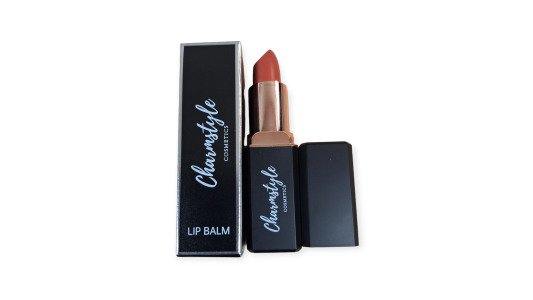
Many people skip hydration maintenance and then blame the lipstick. The truth is, consistent hydration transforms your experience with matte color entirely.
How to Remove Matte Lipstick Without Drying Lips
Removal matters as much as application. Harsh removal damages your lip skin and leaves it feeling raw and sensitive.
Use a gentle makeup remover or oil-based cleanser. Apply it to your lips and let it sit for 10-15 seconds. This gives the product time to break down the matte formula. Then gently wipe away with a soft cloth or cotton pad.
Never scrub or tug at your lips. The skin is thin and easily damaged. Aggressive removal can cause micro-tears that lead to irritation and increased dryness.
After removal, rinse with cool water and apply a hydrating lip balm. This seals in moisture and prevents overnight dryness. Your lips recover faster when you treat them gently throughout the entire process.
Ingredient Sensitivities and When to Stop Using Matte Lipstick
Dryness is the common complaint with matte lipstick, but it is not the only one. A smaller share of wearers react to specific ingredients rather than to the finish itself, and that distinction matters because the fix is different: you can out-moisturize dryness, but you cannot out-moisturize an allergy.
The irritants worth knowing by name
Ingredient sensitivities on the lips most often trace to a handful of categories:
- Fragrance and flavor, "parfum," added flavor oils, and cooling agents such as menthol or peppermint are frequent triggers of tingling and burning.
- Dyes and lakes, certain red and orange lakes (for example, D&C Red No. 7 and related dyes) are well-documented contact sensitizers in cosmetics; if you react to one red, try a different dye family before giving up on the color.
- Preservatives, parabens and formaldehyde-releasing preservatives are recognized contact allergens; fragrance-free and paraben-free labels are worth trying if you react repeatedly.
- Lanolin and some plant oils, usually emollients, but lanolin in particular is a known sensitizer for a minority of people.
- Sunscreen actives and plumping agents, chemical UV filters and capsaicin-type plumpers can produce burning that is a reaction, not a "plumping" effect.
None of these is universally harmful. The point is that if you react, the ingredient list is where you look, and the pattern across products you have reacted to is more informative than any single label claim.
A real patch test, not a token one
A 24-hour dab on the lip is a reasonable first screen, but it is not a full test. A more reliable protocol:
- Apply a small amount to the inner forearm and leave it 24 hours. Check for redness, bumps, or itching.
- If clear, apply a thin layer to one small area of the outer lip line and leave it 24 hours without other lip products.
- If still clear, wear the product normally for a day and watch for delayed reactions, which can appear 48 to 72 hours after contact.
Stop the test at any step if you see swelling, blistering, or spreading redness.
Irritation versus allergy: how to tell them apart
Irritation is dose- and condition-dependent: it shows up where the product sits, tends to be dry, tight, or mildly stinging, and improves when you stop using the product and moisturize. Allergy is immune-mediated: it can spread beyond the application area, may include swelling, bumps, or a rash at the lip line, and can worsen with each exposure. A fragrance-free, dye-free formula often resolves irritation; it will not resolve an allergy.
When to stop using the product
Stop immediately and set the product aside if you notice any of the following:
- Swelling of the lips or the skin around the mouth
- Blistering, oozing, or a rash that spreads past the lip line
- Burning that intensifies rather than fades within minutes of application
- Cracking or bleeding that does not improve after several days off the product
- A reaction that recurs every time you wear a particular product, even after a break
When to see a clinician
Once you know your trigger, matte lipstick is usually still on the table, you just need a formula without it. That is a solvable problem, not a reason to abandon the finish.
Frequently Asked Questions
Can matte lipstick cause chapped lips?
Matte lipstick can contribute to chapped lips if your lips are already prone to dryness or if the formula lacks hydrating ingredients. Matte finishes work by absorbing moisture from the lip surface to create that velvety texture, which can feel uncomfortable on lips that lack natural hydration. Pre-existing dryness, harsh formulas, or skipping lip preparation amplifies this effect. Using a hydrating base, choosing nourishing matte formulas, and maintaining moisture throughout the day helps prevent this issue.
Is matte lipstick good for dry lips?
Matte lipstick can work for dry lips if you select a formula infused with nourishing ingredients and prepare your lips properly. Not all matte lipsticks are created equal; some are specifically designed with hydrating elements to prevent dryness. Brands like Charmstyle Beauty Cosmetics offer matte liquid lipsticks with lightweight, non-drying formulas that keep lips soft and hydrated. The key is choosing a product labeled as hydrating or comfortable for long wear, and always using a lip balm base before application.
How can I keep matte lipstick from drying out my lips?
Prevent dryness by exfoliating gently, applying a hydrating lip balm, and using a moisturizer before matte lipstick. Let these products set for a minute, then apply your matte lipstick. During the day, reapply lip balm around the edges or under the matte color if needed. Choose formulas with nourishing ingredients, avoid long-wear products on very dry lips, and remove matte lipstick gently with a balm-based remover rather than rough wiping. Drink plenty of water.
What's the difference between matte lipstick and regular lipstick?
Matte lipstick has a flat, velvety finish with no shine, while regular lipstick (glossy or creamy) reflects light and appears shinier. Matte finishes absorb moisture from your lips to create that texture, which is why they feel drier than creamy or glossy options. Matte lipsticks typically offer longer wear and better transfer resistance, but require more careful lip care to avoid discomfort. Creamy or glossy formulas feel more hydrating and comfortable on dry lips but may not last as long throughout the day.