

Table of Contents
- Lip Gloss vs Lip Balm: What Each One Actually Does
- Best Ingredients for Dry Lips: What to Look For (and Avoid)
- Is Lip Gloss Bad for Chapped Lips? The Real Answer
- How to Layer Lip Products for Hydration
- Lip Gloss vs Lip Balm for Daily Hydration: The Verdict
- Charmstyle Picks for Every Hydration Need
- Frequently Asked Questions
Last Updated: September 14, 2026
Lip Gloss vs Lip Balm: What Each One Actually Does
Lip gloss vs lip balm for daily hydration comes down to one distinction: balm conditions the lip barrier, gloss decorates the surface. At Charmstyle Beauty Cosmetics, we hear this question from customers, and the answer is less about which product wins and more about what your lips need on a given day. The American Academy of Dermatology's lip care guidance draws the same line, noting that occlusive balms prevent moisture loss while cosmetic glosses primarily add shine.

Lip balm is a leave-on treatment formulated to seal in moisture and support the skin barrier. Lip gloss is a cosmetic topcoat that adds shine, tint, or shimmer with minimal conditioning benefit.
Most people treat these as interchangeable. They are not, and understanding why changes how you build a routine.
Lip Balm: Occlusive Barrier Protection
The primary job of a balm is barrier protection. Ingredients like petroleum jelly, beeswax, and shea butter sit on the surface and slow transepidermal water loss, the process by which moisture escapes through the skin (the American Academy of Dermatology).
That occlusive layer matters most when lips are already chapped. A humectant alone can pull moisture from deeper tissue and leave lips drier if nothing seals it in (pubmed.ncbi.nlm.nih.gov). Balm is the seal.
Lip Gloss: High-Shine Finish With Light Hydration
Gloss delivers the aesthetic payoff: a high-shine finish, a hint of tinted color, and the appearance of fuller lips. Some formulas include humectants like hyaluronic acid for light hydration, but the shine is the point.
A non-sticky formula wears comfortably for a couple of hours. Reapplication is normal, especially after eating or drinking.
Best Ingredients for Dry Lips: What to Look For (and Avoid)
The best ingredients for dry lips fall into three functional categories: humectants that draw water in, emollients that soften, and occlusives that lock moisture down. A well-built balm uses all three; a gloss usually leans on emollients and a light occlusive. The difference between a product that helps and one that quietly makes things worse usually comes down to which side of that line its ingredients sit on.
Humectants, Emollients, and Occlusives
- Humectants (hyaluronic acid, glycerin, panthenol) attract water to the surface. On their own in dry air, they can pull moisture from deeper tissue instead of the environment, which is why they need an occlusive on top.
- Emollients (shea butter, jojoba oil, squalane, plant oils) smooth and soften rough texture by filling the gaps between skin cells.
- Occlusives (petroleum jelly, beeswax, lanolin, dimethicone) form the barrier that retains moisture. Petroleum jelly is one of the most effective occlusives available and is well tolerated by most people.
- Barrier-repair ingredients (ceramides, cholesterol, fatty acids) support the skin barrier over time, which matters if dryness is chronic rather than seasonal. Ceramides are the ones most often cited in dermatology guidance for compromised skin.
A useful rule of thumb: a balm that pairs a humectant with a strong occlusive does more for daily hydration than a balm that is mostly wax and fragrance.
Ingredients That Can Make Dryness Worse
A common mistake is reaching for a plumping gloss with cinnamon or menthol when lips are already irritated. Those tingle ingredients can trigger more dryness and irritation in sensitive users. Fragrance and drying alcohols belong in the same caution pile.
- Menthol, camphor, and phenol feel cooling and are common in medicated balms, but frequent use can strip the barrier and cause rebound dryness.
- Cinnamon, peppermint, and ginger are popular in plumping glosses; the tingling is irritation, not hydration.
- Denatured alcohol and some fragrances evaporate quickly and can leave lips drier than before.
- Heavy silicones in high-shine glosses can trap irritation underneath if the barrier is already compromised.
How to Read a Label in 30 Seconds
Flip the tube and scan the first five ingredients. If petroleum jelly, beeswax, shea butter, squalane, or ceramides appear early, the product is built for barrier support. If menthol, camphor, phenol, or fragrance appear early, treat it as a cosmetic or medicated product rather than a daily hydrator. For gloss, look for a humectant plus a light occlusive near the top of the list; if the formula is mostly silicone and pigment, expect shine without much conditioning.
Matching Ingredients to Your Situation
- Chronically dry or cracked lips: ceramide- or lanolin-based balm with a petroleum jelly or beeswax occlusive.
- Sensitive or reactive lips: fragrance-free, dye-free balm; skip plumping glosses entirely.
- Daily shine with light hydration: gloss with glycerin or hyaluronic acid plus dimethicone or squalane.
- Cold, dry conditions: heavier occlusive balm; humectant-only products can underperform in low humidity.
- Humid conditions: lighter balm or a hydrating gloss is usually enough; heavy occlusives can feel suffocating.
This is the part most comparison articles skip: the ingredient list, not the product category, decides whether your lips end the day softer or drier.
Is Lip Gloss Bad for Chapped Lips? The Real Answer
Is lip gloss bad for chapped lips? Not inherently, but a plain gloss without occlusives can make the situation worse by adding shine without sealing moisture in. The real problem is using gloss as a substitute for balm, not gloss itself.
If your lips are cracked or peeling, start with a balm. Once the barrier is calm, a hydrating gloss layered on top adds shine without undoing the repair. For glosses that already contain occlusives and humectants, the gap narrows.
That said, high-shine formulas that rely on heavy silicones can trap irritation underneath. In practice, the safest approach for compromised lips is balm first, every time.
How to Layer Lip Products for Hydration
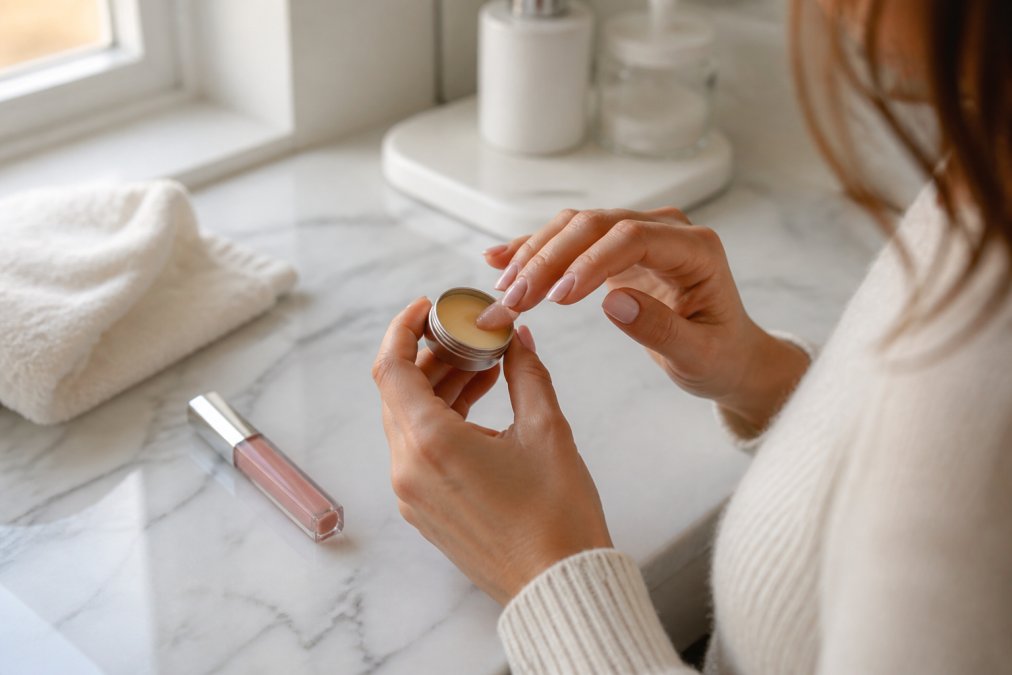
Learning how to layer lip products for hydration is the single most useful habit for anyone juggling both. The sequence is balm, then gloss, with a brief pause to let the balm settle. Most guides stop there. The part that actually changes results is matching the layering to your environment and the time of day, because the same routine that works in humid summer air can leave lips tight in a dry winter office. Adjusting your approach to account for these shifts often requires incorporating deep hydration techniques that extend beyond the surface of the lips to the underlying skin.
The Basic Sandwich Method
- Apply a thin layer of balm and let it sit for about a minute so the occlusive can start sealing.
- Blot any excess so the gloss has something to grip.
- Apply gloss in a single pass, starting at the center of the lip and blending outward.
- Reapply balm first, then gloss, after eating or drinking rather than gloss alone.
The reason the order matters: gloss on bare lips adds shine but no barrier, while balm under gloss gives the shine something hydrating to sit on. Reversing the order traps balm under a cosmetic layer and dulls both.
Daytime Layering for Work and Errands
Start with a thin balm layer as your base. Let it absorb for a minute, then apply a lightweight gloss for shine. A non-sticky formula keeps the finish comfortable through meetings and commutes, and a quick reapply after lunch restores the glow.
For long days, keep a balm stick in your bag and a gloss at your desk. Reapply balm every two to three hours in dry indoor air, and gloss only when you want the finish back. If you work in air conditioning or forced heat, treat the balm as the non-negotiable layer and the gloss as optional.
Nighttime Layering for Overnight Repair
Evening is when the barrier does its real work. Skip the gloss and apply a thicker occlusive balm as the last step of your routine. Overnight, that layer supports moisture retention while you sleep, so lips start the day softer.
A practical nighttime sequence:
- Remove all tinted or pigmented product fully.
- Apply a hydrating balm with ceramides or squalane.
- Seal with a thicker occlusive layer of petroleum jelly or a beeswax-based balm.
- Skip gloss entirely; there is no aesthetic payoff while you sleep, and the cosmetic layer only dilutes the occlusive.
Adjusting the Routine to Your Environment
- Dry winter air or heated indoor spaces: heavier occlusive balm as the base, gloss only for short outings. Humectant-heavy products can underperform when the air is dry, so lean on petroleum jelly, lanolin, or beeswax.
- Humid summer: a lighter balm or a hydrating gloss alone is often enough. Heavy occlusives can feel suffocating and may cause you to wipe product off, which defeats the purpose.
- High altitude or airplane cabins: low humidity pulls moisture from lips quickly. A balm with both a humectant and a strong occlusive, reapplied more often than usual, holds up better than gloss alone.
- Windy conditions: an occlusive balm before going outside reduces moisture loss and protects against chapping; gloss on top is optional.
The takeaway is that layering is not a fixed ritual. It is a small system you adjust based on how dry the air is and whether you are heading to bed or heading out the door.
Lip Gloss vs Lip Balm for Daily Hydration: The Verdict
| Need | Best Choice | Why |
|---|---|---|
| Chapped, cracked lips | Lip balm | Occlusive barrier stops water loss |
| All-day shine and tint | Lip gloss | High-shine finish, light hydration |
| Daytime routine | Balm base + gloss top | Hydration plus polish |
| Overnight repair | Lip balm only | Seals moisture while you sleep |
| Sensitive, reactive lips | Fragrance-free balm | Fewer irritation triggers |
The verdict: balm is non-negotiable for lip health, and gloss is the finishing layer. If you can only own one, buy the balm. If you want both hydration and an aesthetic payoff, use them in sequence.

Charmstyle Picks for Every Hydration Need
For daily hydration with a polished finish, our CHARMSTYLE BEAUTY HYDRATION LIPGLOSS ($11.00) delivers smooth, long-lasting shine that layers cleanly over a balm base.
Pair it with the CHARMSTYLE BEAUTY LIP BALM ($10.00) for the barrier layer underneath. The balm keeps lips soft and comfortable while the gloss adds the finish.
If you want a lighter tint, the CHARMSTYLE BEAUTY NUDE PINK LIPGLOSS ($7.00) gives a popping shine with hydrating wear. For a playful statement, the CHARMSTYLE BEAUTY POM POM HYDRATION LIPGLOSS ($14.00) adds shimmer and a non-sticky finish. And the LIP Hydration Clear Gloss ($7.00) is the everyday essential for a glass-like finish without heaviness.

Frequently Asked Questions
Does lip gloss keep your lips hydrated?
Lip gloss can add surface moisture and shine, but most glosses rely on occlusive and emollient ingredients rather than true humectants. That means they slow water loss and feel comfortable, but they do not pull water into the lip tissue the way glycerin or hyaluronic acid can. For daily hydration, a gloss works best layered over a balm that contains ceramides, shea butter, or petroleum jelly, so you get barrier protection plus a high-shine finish without compromising moisture retention.
What is better for your lips, lip balm or lip gloss?
For hydration, lip balm wins. Balms are built around occlusive and emollient ingredients that seal in moisture and support the skin barrier, which directly reduces transepidermal water loss. Gloss is better for aesthetic goals: a high-shine finish, a hint of tint, and a polished look for meetings or photos. Many people use both, applying balm first and gloss on top. If your lips are chapped or cracked, start with balm and add gloss only once the barrier has recovered.
Can you use lip gloss over lip balm for better results?
Yes, and it is one of the most effective ways to get both hydration and shine. Apply a thin layer of balm and give it a minute to settle, then swipe gloss on top. The balm handles barrier protection and moisture retention, while the gloss adds a non-sticky, high-shine finish. Choose a balm without heavy wax if you plan to layer, since too much wax can make the gloss slide or pill. Reapply balm first, then gloss, whenever lips feel dry during the day.
What ingredients should I look for in a hydrating lip product?
Look for a mix of humectants, emollients, and occlusives. Humectants like hyaluronic acid and glycerin draw water into the skin. Emollients such as shea butter and ceramides soften and smooth. Occlusives like petroleum jelly and beeswax seal moisture in and protect the barrier. Avoid high concentrations of menthol, camphor, or drying alcohols if your lips are already chapped, since these can sting and worsen irritation. Fragrance-free formulas are usually the safer pick for sensitive lips.
Daily hydration is a barrier problem first and a cosmetic one second, and most routines fail because they skip the repair step. At Charmstyle Beauty Cosmetics, our lightweight, wearable glosses are built to layer over a nourishing balm so you get shine and comfort in one pass. Explore the full lip collection and build a routine that keeps lips soft from morning to night. Get started with Charmstyle Beauty Cosmetics and elevate your natural glow every day.