

Table of Contents
- What Causes Sticky Lips
- Medication and Health Factors Behind Sticky Lips
- How to Prevent Dry Chapped Lips
- Best Hydrating Lip Care Products
- When to See a Doctor
- Conclusion
Last Updated: August 24, 2026
What Causes Sticky Lips
Sticky lips feel uncomfortable and can make wearing lipstick frustrating. The sensation often stems from a combination of moisture imbalance, product buildup, and environmental factors. Understanding the root cause helps you address the problem effectively rather than just masking it with more products.
Dehydration and Dry Mouth
Dehydration is one of the most common culprits behind sticky lips. When your body lacks sufficient hydration, your salivary glands produce less saliva, and the saliva that does form becomes more viscous and thick. This thick, sticky saliva clings to your lips and creates that uncomfortable tacky feeling.
Dry mouth, clinically known as xerostomia, occurs when salivary flow diminishes. Your lips depend on saliva for natural lubrication and moisture balance. Without adequate saliva production, the mucosa of your lips loses its protective barrier. Many people notice sticky lips are worse in the morning after sleeping, when mouth breathing reduces salivary flow overnight.
The connection between hydration and lip comfort is direct. When you're dehydrated, every mucous membrane in your body, including your lips, suffers. This isn't just about drinking water during the day; it's about maintaining consistent electrolyte balance and supporting your body's natural moisture regulation systems.
Causes of Sticky Saliva
Sticky saliva itself can be the problem, separate from dry mouth. Your saliva naturally contains proteins, enzymes, and minerals that help with digestion and oral health. When the composition shifts, when your saliva becomes more concentrated or viscous, it feels sticky rather than slippery.
Several factors affect saliva viscosity. Dehydration concentrates your saliva, making it thicker. Certain medications alter saliva composition. Nutritional deficiencies, particularly in B vitamins and iron, can change how your body produces and regulates saliva. Even stress affects salivary glands, causing them to produce thicker, less lubricated saliva.
Sleep-related sticky lips often result from reduced salivary flow during sleep combined with mouth breathing. Your body naturally produces less saliva at night, and if you breathe through your mouth instead of your nose, the drying effect intensifies. You wake up with lips that feel sticky and uncomfortable because your saliva production hasn't fully recovered.
Lip Product Buildup and Reactions
Lip products themselves can create stickiness, especially when they accumulate. Glosses, balms, and lipsticks contain oils and waxes designed to coat your lips. When you layer products without removing the previous application, you create buildup that feels sticky and heavy rather than nourishing.
Some lip products contain ingredients that trigger sensitivity reactions in certain people. Fragrances, essential oils, certain waxes, and synthetic colorants can irritate your lip tissue, causing inflammation that produces excess sticky mucus as your body tries to protect the area. What feels like stickiness is actually your lips' inflammatory response.
Charmstyle Beauty Cosmetics formulates lightweight lip products specifically designed to avoid this buildup problem. Our glosses and balms are created with breathable formulas that won't accumulate on your lips or create that heavy, sticky feeling throughout the day. The key difference is in the ingredient balance, we prioritize hydration over occlusion, so your lips stay comfortable rather than coated.

Medication and Health Factors Behind Sticky Lips
Certain medications directly impact salivary gland function and saliva composition. Antihistamines used for allergies reduce saliva production as a side effect (the FDA). Decongestants dry out mucous membranes throughout your body, including your lips and mouth. Blood pressure medications, antidepressants, and anticholinergic drugs frequently list dry mouth as a side effect.
When you take these medications, your salivary glands receive signals that reduce their output. The saliva your body does produce becomes more concentrated because there's less volume. This concentrated saliva feels sticky rather than naturally lubricating.
Autoimmune conditions like Sjögren's syndrome attack salivary glands, severely reducing saliva production (peer-reviewed research). Diabetes affects how your body regulates moisture and can lead to both dry mouth and sticky lips. Thyroid disorders impact metabolism and can affect salivary function. These aren't minor inconveniences, they're systemic conditions that require medical attention.
If you've recently started a new medication or been diagnosed with a health condition, sticky lips might be a symptom worth discussing with your doctor. Sometimes switching medications or adjusting dosages can resolve the issue. Other times, you'll need to manage the symptom while treating the underlying condition.
How to Prevent Dry Chapped Lips
Prevention starts with understanding that your lips need consistent moisture support from both inside your body and outside through products. A sustainable approach combines hydration habits, proper lip care routines, and the right products.
Hydration and Daily Habits
Drinking adequate water is foundational. Most adults need about 8-10 glasses of water daily, though individual needs vary based on activity level, climate, and overall health (the CDC). Water supports saliva production and maintains the moisture your lips depend on.
Beyond plain water, electrolyte balance matters. Sodium, potassium, and magnesium help your body retain and regulate fluids. If you exercise regularly or live in a dry climate, you might benefit from electrolyte-enhanced water or eating foods rich in these minerals.
Breathing habits significantly impact lip moisture. Mouth breathing dries your lips faster than nasal breathing. If you catch yourself mouth breathing during the day or sleep with your mouth open, consciously shift to nasal breathing. This simple change can dramatically reduce sticky and dry lips.
Environmental humidity affects your lips too. In dry climates or during winter when heating systems run constantly, the air pulls moisture from your skin and lips. Using a humidifier in your bedroom and workspace helps maintain ambient moisture that supports your lips' natural hydration.
Proper Lip Hygiene Routine
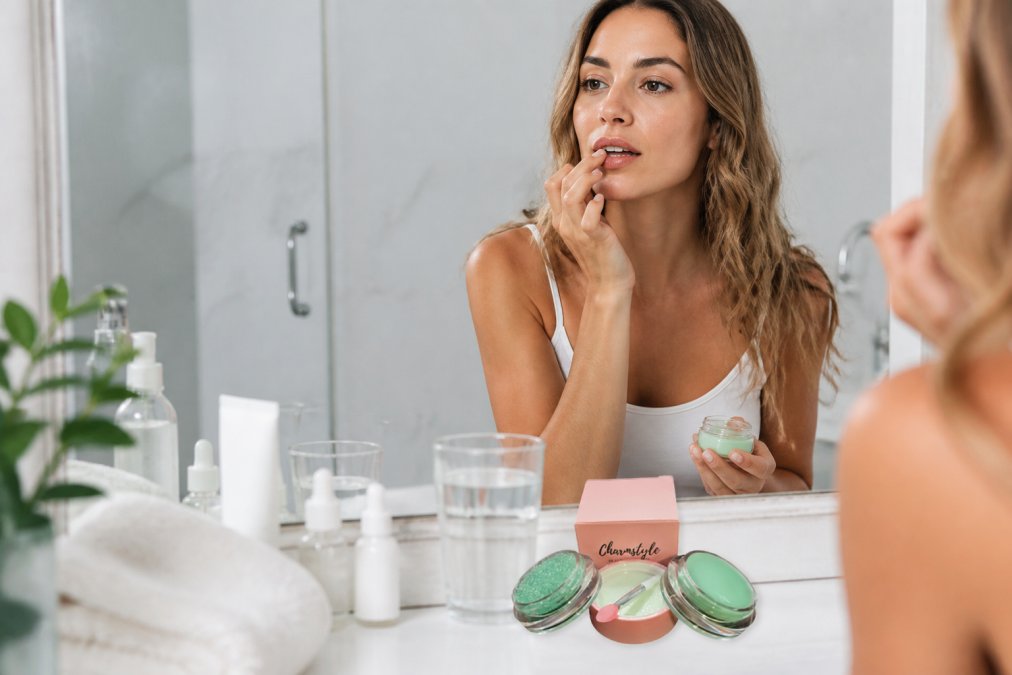
Gentle exfoliation removes dead skin cells that trap moisture and create an uneven texture. Use a soft lip scrub 2-3 times per week, not daily. The Charmstyle Beauty Kiwi Lipscrub and Strawberry Lipscrub are formulated with natural exfoliants and hydrating ingredients that buff away dry, flaky skin while nourishing your lips. Unlike harsh physical scrubs, these moisturizing formulas leave your lips silky-smooth and prepped for lipstick application.

After exfoliating, apply a hydrating lip balm immediately. This locks in moisture and prevents your lips from drying out further. A good lip balm should absorb quickly without leaving a sticky residue, the difference between protection and that uncomfortable coated feeling.
Avoid licking your lips, even though it feels temporarily moisturizing. Saliva evaporates quickly, leaving your lips drier than before. This cycle of licking and drying is one of the most common mistakes people make with lip care.
Remove lip products completely before bed. Sleeping with lipstick or gloss on prevents your lips from recovering overnight. Use a gentle makeup remover or oil-based cleanser, then apply a nourishing balm before sleep.
Best Hydrating Lip Care Products
The right products make a measurable difference in how your lips feel and look. Hydrating lip care should focus on nourishment without heaviness or stickiness.
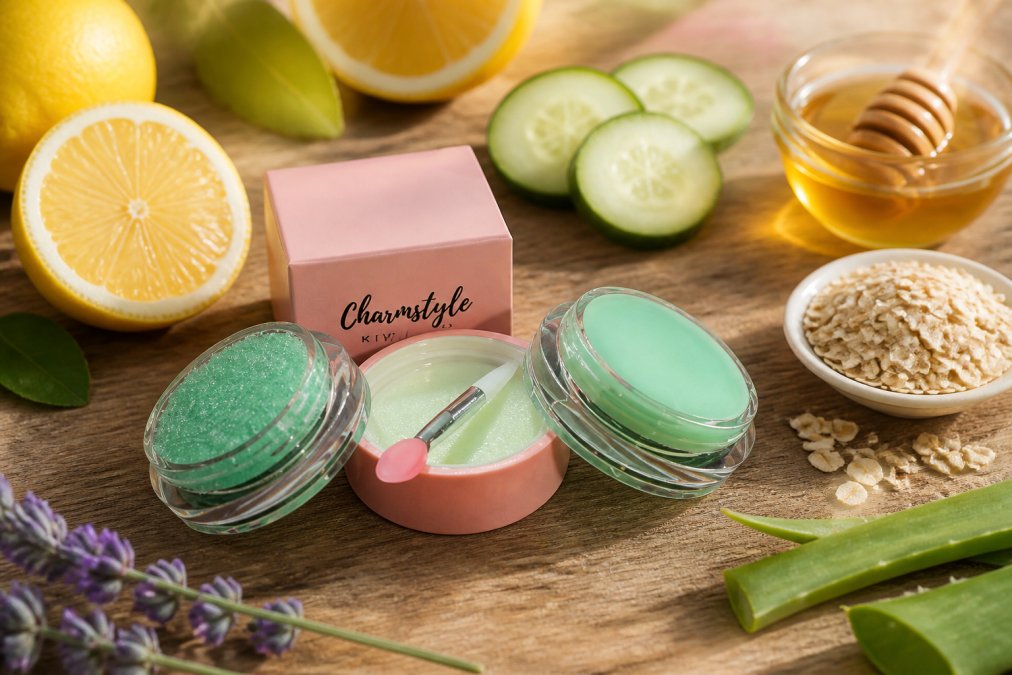
Charmstyle Beauty Lip Balm delivers bold, vibrant color in a creamy, ultra-pigmented formula designed for maximum comfort. Infused with nourishing ingredients, it keeps your lips soft and hydrated throughout the day without that sticky, heavy feeling. The formula glides on effortlessly and maintains its wear without smudging, making it ideal for busy professionals who need reliable lip color that doesn't feel uncomfortable.
For exfoliation and prep, the Charmstyle Beauty Kiwi Lipscrub gently buffs away dry, flaky skin while deeply nourishing your lips. With every use, it preps your lips for flawless lipstick application or a naturally hydrated look. The moisturizing formula ensures your lips feel smooth and supple immediately after use.
When choosing lip products, look for formulas that include hydrating ingredients like glycerin, hyaluronic acid, or plant oils. Avoid products with high fragrance content or essential oils if your lips are sensitive, these can trigger irritation that causes the sticky mucus response your body uses to protect inflamed tissue.
Lip masks or overnight treatments provide intensive hydration. These thicker formulas work best applied before bed, allowing your lips to absorb moisture while you sleep. Apply your regular balm over the mask for added protection.
When to See a Doctor
Sticky lips that persist despite consistent hydration and proper lip care warrant a medical evaluation. If your lips feel sticky for more than two weeks, or if the stickiness accompanies other symptoms like difficulty swallowing or burning sensations, schedule an appointment with your doctor or dentist.
Chronic dry mouth and sticky lips can indicate underlying health conditions that need treatment. Your doctor can evaluate whether medication side effects are responsible and explore alternatives. They can also test for autoimmune conditions, diabetes, or other systemic issues affecting salivary function.
If you notice white residue in the corners of your mouth along with stickiness, or if your tongue texture changes, these are signs your oral health needs professional attention. A dentist can assess whether you're experiencing early signs of dental decay or other oral complications related to reduced saliva production.
Sticky lips combined with difficulty chewing or tasting changes suggest your salivary glands aren't functioning properly. These symptoms deserve medical investigation to rule out conditions that require specific treatment.
Conclusion
Sticky lips often feel like a cosmetic annoyance, but they're your body's signal that something in your moisture balance needs adjustment. Whether the cause is dehydration, medication side effects, or product buildup, the solution usually involves both internal hydration support and external lip care.
Charmstyle Beauty Cosmetics understands that lip comfort is essential to confidence. Our Kiwi Lipscrub and Strawberry Lipscrub gently exfoliate and nourish, while our Lip Balm delivers color and hydration without stickiness or heaviness. Start with consistent hydration, add a proper lip care routine, and experience the difference that thoughtful formulation makes. Your lips deserve products that enhance rather than burden them.

Frequently Asked Questions
Can dehydration cause sticky lips?
Yes. When your body lacks sufficient water, salivary glands produce thicker, more viscous saliva to conserve moisture. This concentrated saliva coats your lips and feels sticky or tacky. Dehydration also reduces overall mucosa hydration, making lips feel less supple. Drinking adequate water throughout the day helps restore normal salivary flow and improves lip comfort significantly.
What does it mean when your lips feel slimy or sticky?
Sticky lips typically signal either reduced saliva production (xerostomia), medication side effects, or product buildup on the lip surface. The sensation often stems from viscous saliva coating the lips or residue from glosses and balms. If the stickiness persists despite good hydration and proper cleansing, it may indicate a health condition requiring clinical evaluation, especially if accompanied by burning sensation or difficulty swallowing.
How do I get rid of sticky mouth and lips?
Start by increasing water intake and using a lip scrub to remove dead skin and product residue. Our Kiwi Lipscrub gently buffs away buildup while nourishing your lips with hydrating ingredients. Follow with a quality lip balm to lock in moisture. If stickiness persists, evaluate your medications with your doctor, reduce mouth breathing by practicing nasal breathing, and avoid products with heavy silicone bases. Using a humidifier at night also helps maintain oral hydration.
Should I see a doctor if my lips feel persistently sticky?
Occasional stickiness from dehydration or product use is normal, but persistent sticky lips lasting more than two weeks warrant a clinical evaluation. See your doctor if stickiness is accompanied by burning sensation, difficulty swallowing, white residue in the corners of your mouth, or tongue texture changes. These symptoms may indicate xerostomia, nutritional deficiencies, or medication side effects requiring professional diagnosis and management.
This article was written using GrandRanker