

Last Updated: November 16, 2026
Quick Summary
Plant-based lip barrier repair restores the outer layer of lip skin so it holds moisture in and keeps irritants out, using plant oils, butters, and antioxidants that condition skin instead of just coating it. A simple routine of gentle exfoliation, sealing with plant butter balm, overnight layering, and sun protection supports this process.
- Exfoliate gently two to three times a week for about 30 seconds with a soft, moisturizing scrub.
- Apply a plant butter balm right after exfoliating and whenever lips feel tight.
- Apply a thicker layer before bed and reapply mid-morning, after lunch, and before leaving.
- Use a lip product with SPF for longer outdoor time and reapply like sunscreen.
- If lips don't improve after two weeks, strip back to a plain fragrance-free balm for one week.
Table of Contents
- Why Plant-Based Lip Barrier Repair Beats a Quick Coat of Balm
- How to Repair Lip Barrier Damage in Five Steps
- Natural Lip Balm Ingredients That Actually Rebuild the Barrier
- Vegan Lip Balm for Dry Lips: What to Look For and What to Skip
- Moisture Retention, Softness, and Protection: The Core Benefits
- Irritants and Allergens That Worsen Chapped Lips
- Realistic Repair Timelines and When to See a Professional
- Building Your Plant-Based Lip Care Routine With Charmstyle
- Frequently Asked Questions
Why Plant-Based Lip Barrier Repair Beats a Quick Coat of Balm
Plant-based lip barrier repair starts with a simple fact: your lips have almost no oil glands of their own. A quick coat of balm feels good for twenty minutes, then the dryness returns.
Lip barrier repair is the process of restoring the outer layer of lip skin so it holds moisture in and keeps irritants out. Plant-based ingredients support that process with fatty acids, plant butters, and antioxidants that condition the lip skin rather than just coating it.
Below, we'll show you exactly how to repair lip barrier damage in five steps, which natural lip balm ingredients actually earn their place, and when persistent symptoms deserve a professional look.
How to Repair Lip Barrier Damage in Five Steps
Barrier repair works best as a short daily routine, not a single product. The steps below take about two minutes total and fit into a morning and evening rhythm. Consistency over two to three weeks tends to matter more than any single ingredient.
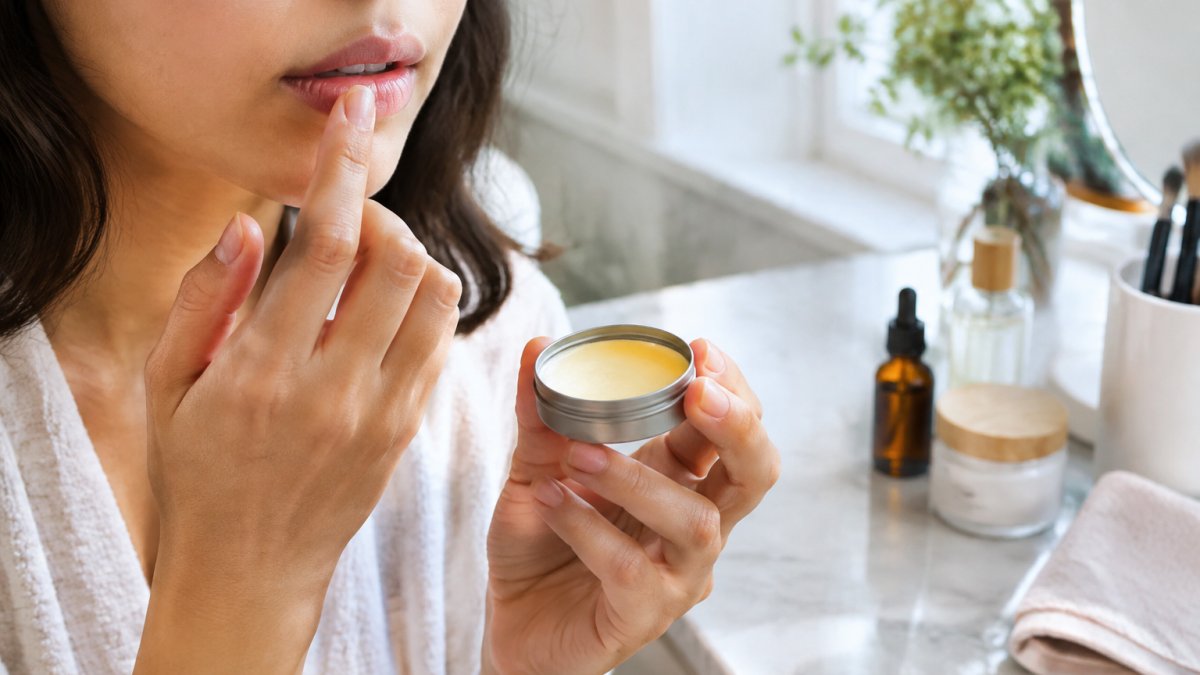
Step 1: Exfoliate Gently, Twice a Week
Start by lifting dead, flaky skin so the products that follow can actually reach the lip surface. A common mistake is scrubbing hard every day, which removes healthy cells and makes chapping worse.
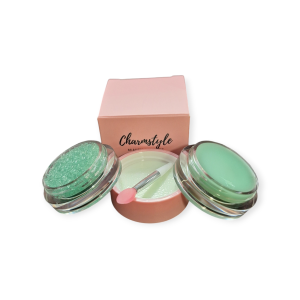
Use a soft, moisturizing scrub two to three times a week. Our kiwi lip scrub buffs away dry flakes with natural exfoliants and hydrating ingredients, and a strawberry version is also available. Massage in small circles for about 30 seconds, then wipe away the excess with a soft tissue or rinse with lukewarm water. Watch out: never pick or peel flakes with your fingers, because that tears the barrier and can leave a raw spot that takes days to settle.
Step 2: Seal With a Plant Butter Balm
Exfoliation clears the surface; sealing keeps moisture from escaping. Apply a balm built on plant butters and oils right after exfoliating and again after every time your lips feel tight.
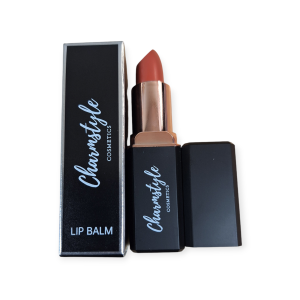
Our plant butter lip balm delivers rich, creamy color with hydrating wear, so it works as both barrier support and everyday finish. Swipe it on clean lips, blot for a softer look, or layer for more intensity. For daytime, a thin layer is enough; the goal is a flexible film that moves with your lips, not a heavy paste. Watch out: applying balm over lipstick without blotting first can trap pigment in cracks and make flaking more visible.
Step 3: Layer Overnight and Reapply Through the Day
Night is when the barrier does most of its recovery. Apply a thicker layer before bed so the ingredients stay in contact with your lips for hours. During the day, reapply after eating, drinking, or any long stretch in dry indoor air.
A practical rhythm is to reapply at mid-morning, after lunch, and before you leave for the day. If you work in heated or air-conditioned spaces, keep a balm within reach and apply before your lips feel tight, not after. Watch out: licking your lips feels soothing for a moment but evaporates and leaves them drier, so replace the lick habit with a quick balm swipe (the American Academy of Dermatology).
Step 4: Protect From Wind, Cold, and Sun
Barrier repair is not only about adding moisture; it is also about reducing what strips it away. Wind, cold air, and dry indoor heat pull water from the lip surface, and sun exposure adds its own stress. A scarf or a high collar helps in cold weather, and a humidifier in the bedroom can make overnight recovery more effective.
Moisturizing barrier care is not automatically sun protection. If you will be outside for more than a short errand, use a lip product with a suitable SPF, and reapply it as you would any sunscreen. Watch out: a glossy balm without SPF can actually attract sun to your lips, so do not treat shine as protection.
Step 5: Troubleshoot Before You Switch Products
If your lips are not improving after two weeks of consistent care, change one variable at a time rather than buying a new balm every few days. Common culprits are fragrance, flavoring, and essential oils, plus habits like licking, biting, or breathing through your mouth at night.
Strip your routine back to a plain, fragrance-free balm and a gentle scrub for one week. If comfort improves, reintroduce products one at a time to find the trigger. If cracking at the corners, bleeding, or swelling appears, stop self-treating and see a dermatologist, because those signs go beyond simple dryness.
Here is the five-step routine at a glance, with the timing and the mistake to avoid at each stage.
| Step | What to do | Time or frequency | Watch out |
|---|---|---|---|
| 1. Exfoliate gently | Massage a soft, moisturizing scrub in small circles | Two to three times a week, about 30 seconds | Never pick or peel flakes with your fingers |
| 2. Seal with plant butter balm | Apply a balm built on plant butters and oils | Right after exfoliating and whenever lips feel tight | Blot before applying over lipstick |
| 3. Layer overnight and reapply | Apply a thicker layer before bed; reapply through the day | Nightly, plus mid-morning, after lunch, before leaving | Replace lip licking with a quick balm swipe |
| 4. Protect from wind, cold, and sun | Use a scarf, humidifier, and a lip product with SPF | Reapply SPF as you would any sunscreen | A glossy balm without SPF can attract sun |
| 5. Troubleshoot before switching | Strip back to a plain, fragrance-free balm and gentle scrub | One week, changing one variable at a time | See a dermatologist for cracking, bleeding, or swelling |
Natural Lip Balm Ingredients That Actually Rebuild the Barrier
Not every "natural" label means barrier support. The ingredients that matter fall into two groups: oils that deliver fatty acids, and butters that condition and protect. Knowing which is which helps you read an ingredient panel instead of guessing from the front of the package.
Plant Oils and Fatty Acids
Look for oils listed near the top of the ingredient panel, which signals a meaningful concentration rather than a token sprinkle. A common pattern is a blend of one lightweight oil for daytime spread and one richer oil for overnight wear. Watch out: essential oils such as peppermint, cinnamon, and citrus are added for scent, not barrier support, and they are among the most common triggers for stinging on already-chapped lips.
Plant Butters and Antioxidants
Antioxidants and vitamins from botanical ingredients help defend the lip barrier against everyday stress. Vitamin E is a common addition because it is both an antioxidant and a conditioning agent, and it helps slow the oxidation of the oils in the formula itself. Together, butters and antioxidants support conditioning, soothing, and long-lasting hydration.
What to Realistically Expect
Ingredient quality matters, but it is not a shortcut. Full comfort in cold or dry conditions can take longer, because the barrier rebuilds slowly and depends on how often you reapply and how much you lick or pick at your lips.
A plant-based balm is not a substitute for medical care. If you have persistent cracking at the lip corners, sores that will not heal, or swelling, those signs go beyond dryness and deserve a professional assessment. For everyday barrier support, the practical rule is simple: choose a short ingredient list with recognizable plant oils and butters near the top, skip heavy fragrance and cooling agents, and give the formula two weeks of consistent use before deciding whether it works for you.
Vegan Lip Balm for Dry Lips: What to Look For and What to Skip
A vegan lip balm for dry lips should earn the label twice: once for what's in it, and once for what's left out. Many shoppers weigh whether vegan formulas justify their price, and our guide on whether vegan lip makeup is worth the cost breaks that question down.
Look for:
- Plant oils and plant butters listed early on the panel
- A short ingredient list you can actually read
- Clear labeling about what the formula does not contain
Skip balms that rely on heavy fragrance to mask a thin formula. Watch out: a balm that feels amazing for ten minutes and then leaves lips tighter than before is usually coating, not conditioning.
Moisture Retention, Softness, and Protection: The Core Benefits
The benefits of plant-based lip barrier repair come down to three outcomes that reinforce each other.
Moisture retention improves when plant lipids reinforce the lip barrier and reduce water loss through the surface. Softness follows as rough, flaky patches give way to smoother lip skin. Protection means the barrier is better equipped to handle wind, dry indoor heat, and the friction of daily life with more resilience.
That combination is why plant-based care beats a quick coat of balm. One seals for an hour. The other gives the lip skin what it needs to hold moisture on its own.
Irritants and Allergens That Worsen Chapped Lips
Some of the most common lip irritants hide in products marketed as gentle. Heavy fragrance, certain essential oils, and cooling agents like menthol can trigger reactions in sensitive skin, especially on lips that are already chapped.
If your lips sting, swell, or peel after a new product, stop using it and give the barrier a week of plain, fragrance-free care. Our guide to natural ingredients to avoid for lip eczema relief goes deeper on which botanical ingredients to screen out.
Realistic Repair Timelines and When to See a Professional
Expect gradual improvement, not overnight change.
See a dermatologist if you have persistent cracking at the lip corners, sores that won't heal, swelling, or symptoms that continue despite weeks of gentle care. Those signs go beyond dryness and deserve a professional assessment.
Building Your Plant-Based Lip Care Routine With Charmstyle
A routine only works if it's simple enough to keep. Ours is three moves: exfoliate twice a week, seal with a plant butter balm morning and night, and reapply through the day. If you want the full walkthrough, our vegan lip care routine for dry lips lays out all seven steps.
Dry, chapped lips rarely need more products. They need the right ones, used consistently. Charmstyle Beauty Cosmetics makes that easy with lightweight, wearable formulas designed for everyday confidence, from our moisturizing lip scrubs that prep the surface to our hydrating lip balm that seals in comfort. Get started with Charmstyle Beauty Cosmetics and give your lips a routine they can actually keep.
Frequently Asked Questions
What are the benefits of plant-based lip balm?
Plant-based balms are designed to give lips a comfortable, hydrating finish. Reapplying after eating or drinking is a simple way to keep lips feeling comfortable through the day.
How long does it take for chapped lips to heal with a vegan lip balm for dry lips?
Avoid licking or picking at flaky skin, and apply a lip balm as needed. If lips stay cracked, bleed, or sting, see a dermatologist to rule out an allergy or another condition.
What should you avoid when your lip barrier is damaged?
Do not peel flakes or bite at them. Patch test any new lip product on your inner wrist before applying it to your lips.
How do you choose a lip balm for a damaged lip barrier?
A scrub used two to three times a week, like Charmstyle's kiwi or strawberry lip scrub at $8, gently buffs away dry flakes. Finish with Charmstyle Beauty Lip Balm at $10 for a hydrating, bold finish.
