

Last Updated: November 14, 2026
Quick Summary
A DIY soothing lip mask for reactive skin should use the shortest ingredient list you can tolerate, with bland options like plain petroleum jelly, raw honey, or coconut oil and a short 10-minute contact time. Patch test on your inner forearm for 24 hours first, and skip tingling ingredients like peppermint, cinnamon, and essential oils.
- Patch test a thin dab on your inner forearm and wait 24 hours before applying to lips.
- Leave any fresh DIY mask on for 10 minutes, never for hours.
- Make single-use batches and discard yogurt-based masks after one use.
- Use the honey and petroleum jelly blend for overnight wear, skipping yogurt and fruit juices.
- Stop all lip products except a plain balm when irritation flares.
Table of Contents
- Why Reactive Skin Needs a Different Kind of Lip Mask
- Ingredients to Use and Avoid in a Soothing Lip Mask
- A DIY Soothing Lip Mask for Reactive Skin With Vaseline
- A DIY Soothing Lip Mask for Reactive Skin Without Vaseline
- How to Apply Your Mask: Clean Hands, Gentle Layers, Right Timing
- Using a DIY Soothing Lip Mask for Reactive Skin Overnight
- How to Calm Lip Irritation and Know When to Stop
- Build a Gentle Lip Routine With Charmstyle
- Frequently Asked Questions
Why Reactive Skin Needs a Different Kind of Lip Mask
A DIY soothing lip mask for reactive skin starts with one rule: fewer ingredients, not more. Reactive lips react to what you add, so a homemade mask for sensitive lips should calm and protect, never exfoliate hard or tingle.
Most drugstore masks are built for normal skin. That is the mismatch.
Reactive skin is skin that overreacts to a trigger. It turns red, stings, or peels after contact with a product, weather, or food. A mask made for chapped lips may contain acids, fragrance, or essential oils that push reactive lips further.
Signs Your Lips Are Reactive, Not Just Dry
Dry lips feel tight and rough. Reactive lips also burn, itch, or swell. Watch for:
- Stinging within minutes of applying a product
- Redness along the lip line that fades, then returns
- Small bumps, peeling, or a rash after new products
- Swelling or tenderness that lasts more than a day
If you see swelling or a spreading rash, stop all products and see a doctor. For a closer look at warning signs, read our guide to the signs of an allergic reaction on lips. The American Academy of Dermatology's guidance on lip care is also a solid starting point.
Ingredients to Use and Avoid in a Soothing Lip Mask
The safest soothing lip mask for reactive skin uses the shortest ingredient list you can tolerate, with a short contact time. Choose bland, single-ingredient items first and add anything else only after a clear patch test. Keeping the routine this restrained can also make it easier to apply gentle skincare for reactive skin consistently, without introducing several new variables at once.
Start with these bland, low-risk options:
- Plain petroleum jelly: one ingredient, and a simple option for protecting lips
- Raw honey: use a thin layer and rinse within 10 minutes
- Plain full-fat yogurt: keep it refrigerated and make a fresh batch each time
- Coconut oil: seals in moisture and softens flakes, but patch test first because some people with reactive skin react to it
- Calendula-infused oil: treat it as optional and patch test
Avoid or use with caution:
- Peppermint, cinnamon, menthol, and camphor: these create a tingling or cooling sensation that can be uncomfortable on reactive lips
- Essential oils and added fragrance: can be irritating for some people, even in products labeled natural
- Strong fruit acids and gritty scrubs: they remove surface skin and can leave reactive lips more exposed
- Lemon juice and other acidic foods: these can be irritating on sensitive lips
- Flavorings and sweeteners in balms: many lip products contain flavor compounds that trigger reactions; plain is safer
- Food ingredients you have never eaten without a reaction: food-based does not automatically mean suitable for sensitive skin
Keep quantities small: one teaspoon of honey, half a teaspoon of petroleum jelly or coconut oil, and a few drops of oil is enough for one mask. Make only what you will use in one sitting. For a longer list of triggers, see 8 natural ingredients to avoid for lip eczema relief.
Patch Testing Before You Apply Anything
Patch testing is the step most guides skip, and it is the one that protects reactive lips. Here is how we would do it:
- Mix a tiny batch of your mask.
- Apply a thin dab to the inner forearm.
- Wait 24 hours and check for redness or itching.
- If clear, apply a small amount to one corner of the mouth.
- Wait another 24 hours before using it on both lips.
Stop at the first sign of stinging. If you have a known allergy to any food ingredient, do not patch test it at all; skip that ingredient.
Hygiene and Storage for Homemade Masks
Fresh and water-based ingredients spoil quickly, and contaminated product on broken lips is a real risk. Follow these limits:
- Make single-use batches; do not store leftovers for later
- Use clean fingers, a clean spoon, or a small spatula, never double-dip
- Refrigerate any mask containing yogurt or juice and discard it after one use
- Discard any batch that smells off, changes color, or sits out at room temperature for more than two hours
- Keep the container and utensils washed with hot, soapy water before and after each use
Watch out: a mask that was fine last week can still cause a reaction if bacteria have grown in it, so never stretch a fresh-ingredient batch beyond one use.
A DIY Soothing Lip Mask for Reactive Skin With Vaseline
A DIY soothing lip mask for reactive skin with Vaseline is the simplest option, because plain petroleum jelly has one ingredient. It seals the moisture barrier and gives reactive lips nothing extra to fight.
The recipe:
- 1 teaspoon raw honey
- ½ teaspoon plain petroleum jelly
- 2 drops calendula oil, optional
Warm the honey and petroleum jelly between clean fingertips until soft. Press a thin layer onto clean lips. Leave it on for 10 minutes, then wipe gently with a soft tissue. Do not rub.
Skip the calendula if your skin is very reactive. Two ingredients beat three when you are still learning your triggers.
A DIY Soothing Lip Mask for Reactive Skin Without Vaseline
A DIY soothing lip mask for reactive skin without Vaseline suits anyone who prefers plant-based care. Coconut oil and honey do the sealing work instead.
Try this three-ingredient recipe:
- 1 teaspoon raw honey
- ½ teaspoon coconut oil
- 1 teaspoon plain full-fat yogurt
Stir into a smooth paste in a small bowl. Yogurt brings gentle lactic acid, which helps lift flakes without scrubbing. Keep it in the fridge and make a fresh batch each time, since dairy spoils fast.
Watch out: never store a yogurt-based mask at room temperature. Bacteria grow quickly, and contaminated product on broken lips is a real risk.
How to Apply Your Mask: Clean Hands, Gentle Layers, Right Timing
Applying a soothing lip mask takes about 10 minutes, and technique matters as much as the recipe. Clean hands, a thin layer, and a short contact time keep reactive lips calm.
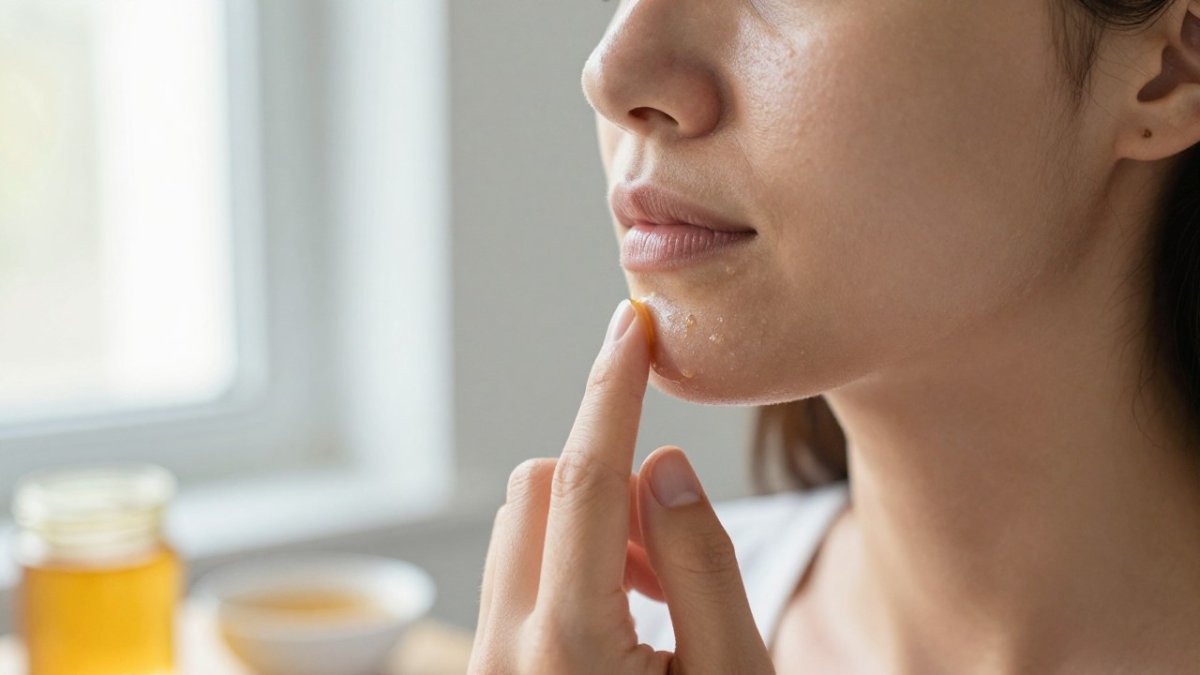
Follow these steps:
- Wash your hands with mild soap and dry them fully.
- Clean your lips with a damp cloth. Do not scrub.
- Apply a thin layer with a clean fingertip or a soft brush.
- Leave it on for 10 minutes. Never leave a fresh mask on for hours.
- Wipe off gently with a warm, damp cloth.
- Follow with a plain balm to lock in moisture.
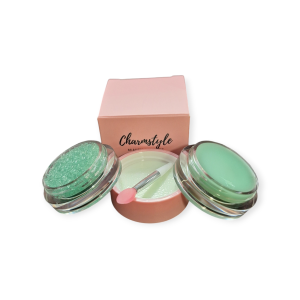
If your lips feel gritty or flaky before masking, a gentle CHARMSTYLE BEAUTY KIWI LIPSCRUB can smooth the surface first.
Using a DIY Soothing Lip Mask for Reactive Skin Overnight
An overnight DIY soothing lip mask for reactive skin should be the mildest version you have, applied in a thin layer before bed. Sleep gives the mask time to work, but strong ingredients sit on skin for hours.
Use the honey and petroleum jelly blend for overnight wear. Skip yogurt and fruit juices, which can irritate during long contact.
Apply a thin coat, sleep, and rinse with warm water in the morning. If you wake with stinging or redness, your lips are telling you the mask was too much. Try a shorter contact time next round.
How to Calm Lip Irritation and Know When to Stop
Calming lip irritation starts with subtraction, not addition. Stop all new products, rinse with cool water, and apply plain petroleum jelly until the stinging fades.
Do this when irritation flares:
- Drop every lip product except a plain balm
- Avoid hot, spicy, and acidic foods for a few days
- Do not lick or pick at your lips
- Skip exfoliation completely
- Protect lips outdoors with a soft scarf
A Gentle Application Routine for Reactive Lips
When you do use a DIY mask, keep the routine short and bland:
- Wash your hands with mild soap and dry them fully.
- Clean your lips with a damp cloth. Do not scrub.
- Apply a thin layer with a clean fingertip or a soft brush.
- Leave it on for 10 minutes. Never leave a fresh mask on for hours.
- Wipe off gently with a warm, damp cloth.
- Follow with a plain occlusive balm to lock in moisture.
Watch out: if your lips sting at any step, rinse immediately and stop; do not try to balance the reaction with another product.
When Not to Use a DIY Mask
Persistent, painful, swollen, or cracked lips may need professional assessment rather than repeated home treatments. See a doctor if you have:
- Swelling, blisters, sores, or oozing
- Pain that lasts more than a few days
- Cracks that bleed or do not heal
- A rash that spreads beyond the lip line
- Signs of infection, such as warmth, pus, or fever
For readers building a full routine, our guide to clean vegan lip makeup for sensitive skin covers product choices that suit reactive lips.
Build a Gentle Lip Routine With Charmstyle
A soothing lip mask works best as part of a steady routine, not a one-off fix. Gentle care, done often, keeps the moisture barrier strong through winter dryness and long days.
Here is a simple weekly rhythm:
| Step | Product Type | Frequency | Purpose |
|---|---|---|---|
| Cleanse | Damp cloth | Daily | Remove residue without scrubbing |
| Exfoliate | Gentle lip scrub | 2-3 times a week | Lift dry flakes |
| Mask | DIY honey mask | 1-2 times a week | Soothe and hydrate |
| Protect | Plain balm | Daily, as needed | Seal in moisture |
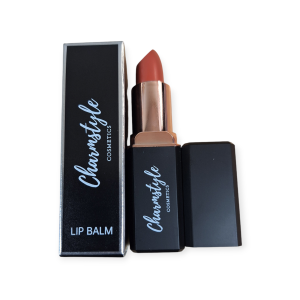
For the exfoliation step, the CHARMSTYLE BEAUTY STREWBERRY LIPSCRUB gently buffs away dry, flaky skin and preps lips for color. Follow with the CHARMSTYLE BEAUTY LIP BALM for hydrating, comfortable wear. For a full step-by-step plan, see our vegan lip care routine for dry lips.
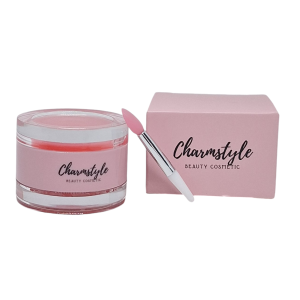
Reactive lips need patience and a short ingredient list. If you are tired of guessing which balm will sting, start with products built for comfort.
Frequently Asked Questions
What is the best homemade lip mask for reactive skin?
The gentlest options pair one humectant with one occlusive, such as raw honey mixed with a small amount of coconut oil, or honey sealed under a thin layer of Vaseline. Keep the recipe to two or three ingredients, skip essential oils and exfoliating acids, and patch test on your inner arm for 24 hours first. A soothing lip mask works best when it stays simple, because fewer ingredients mean fewer chances of triggering irritation.
Can petroleum jelly help soothe dry, irritated lips?
Yes. Vaseline (petroleum jelly) is a simple occlusive that seals in moisture. Apply a thin layer over slightly damp lips or over a honey layer at night. It does not add water to the lips on its own, so pair it with a hydrating ingredient first. If irritation persists beyond a week or two, stop and see a dermatologist.
How long should I leave a homemade lip mask on?
For a daytime mask, leave it on for 10 to 15 minutes, then rinse with lukewarm water or gently wipe away excess. For an overnight treatment, apply a thin layer before bed and leave it on until morning. Rinse thoroughly after applying any mask. If you feel stinging or burning at any point, remove the mask immediately.
When should I stop using a DIY lip mask and see a doctor?
Stop and seek medical advice if you notice swelling, blistering, spreading redness, oozing, or pain that gets worse instead of better. Also see a doctor if irritation lasts more than two weeks despite gentle care, or if you suspect an allergic reaction. A DIY soothing lip mask is for mild dryness and chapping, not for treating infections or persistent dermatitis, which need professional diagnosis.
