

Table of Contents
- Causes of Chronic Chapped Lips You Shouldn't Ignore
- Why Licking and Picking Make Dry Chapped Lips Worse
- Best Ingredients for Dry Lips: What to Look For and Avoid
- How to Exfoliate Lips Safely Without Causing Damage
- Daily Habits That Prevent Dry Chapped Lips Year-Round
- When to See a Dermatologist About Persistent Lip Dryness
- Conclusion
Last Updated: August 19, 2026
Dry chapped lips are one of the most common and preventable skin complaints, yet most people treat them reactively rather than stopping the problem before it starts. At Charmstyle Beauty Cosmetics, we offer products designed to help prevent and soothe dry lips. This guide covers the real causes of chronic chapping, the ingredients that repair your skin barrier, and the daily habits that keep lips soft year-round.

The biggest mistake most people make is treating lip dryness as a hydration problem when it's often a barrier problem. If your skin barrier is compromised, moisture escapes as fast as it arrives.
Causes of Chronic Chapped Lips You Shouldn't Ignore
Chronic chapped lips, clinically called cheilitis, are not just a winter problem. Persistent dryness, fissures, and inflammation signal that something systemic or environmental is actively working against you.
Environmental Triggers: Cold Weather, Wind, and UV Exposure
Cold air holds less moisture than warm air, pulling hydration directly from your lip tissue. Wind accelerates transepidermal water loss, the process by which moisture evaporates through the outer skin layers. Without an occlusive barrier, lips lose moisture faster than the body can replace it.
UV exposure is the environmental factor most people underestimate. Lip skin contains little to no melanin, offering almost no natural UV protection. Prolonged sun exposure breaks down the skin barrier over time, leading to chronic dryness and, in serious cases, actinic cheilitis. The American Academy of Dermatology guidance on lip sun protection recommends applying a lip balm with SPF 30 or higher whenever you're outdoors, regardless of season.
Medication-Induced Dryness and Nutrient Deficiencies
Several common medications list dry lips as a documented side effect. Isotretinoin (used for acne) is the most well-known, but antihistamines, diuretics, certain antidepressants, and chemotherapy agents can all reduce saliva production and impair moisture retention. If your chapping started after beginning a new medication, raise this connection with your prescribing physician.
Nutrient deficiencies, particularly in vitamins B2, B6, B12, iron, and zinc, are linked to persistent angular cheilitis and lip cracking. These deficiencies affect cell turnover and mucosal tissue integrity. A basic blood panel can identify whether a nutritional gap is contributing to your symptoms.
Allergic Contact Dermatitis and Product Irritants
The lip balm you've been applying to fix the problem may actually be causing it. Allergic contact dermatitis is an immune response triggered by direct contact with an allergen. On the lips, common culprits include fragrance compounds, flavorings (especially cinnamon and mint), preservatives like methylisothiazolinone, and certain sunscreen chemicals.
If your lips improve when you stop using a product and worsen when you restart it, contact dermatitis is likely. A dermatologist can perform patch testing to identify specific allergens. The fix is straightforward: switch to fragrance-free, hypoallergenic formulas and eliminate flavored products.
Why Licking and Picking Make Dry Chapped Lips Worse
Licking your lips feels like relief. It isn't. Saliva contains digestive enzymes designed to break down food. When saliva sits on lip tissue repeatedly, those enzymes break down the delicate skin barrier. The temporary moisture evaporates within seconds, leaving lips drier than before. The habit creates a cycle: the more you lick, the more the barrier degrades.
Picking at dry skin is equally damaging. Pulling away flaking tissue removes layers still anchored to healthy tissue underneath, creating micro-abrasions and opening pathways for bacterial infection. The practical fix: keep a barrier-forming balm accessible at all times. When the urge to lick or pick arises, apply the balm instead.
Best Ingredients for Dry Lips: What to Look For and Avoid
Effective lip care works in three layers: humectants, occlusives, and barrier-repair ingredients.
Humectants, Occlusives, and Barrier-Repair Ingredients That Work
Humectants draw moisture into the skin from the environment and deeper tissue layers. The most effective include hyaluronic acid, glycerin, and aloe vera. These ingredients attract water molecules but work best when sealed in by an occlusive.
Occlusives form a physical barrier over the lip surface, preventing transepidermal water loss. Petrolatum is the gold standard, one of the most effective moisture-sealing ingredients available. Beeswax, shea butter, and lanolin are also effective. Ceramides sit in a category of their own: they don't just seal moisture in, they actively support barrier repair by replenishing the lipid matrix within skin cells.
Barrier-repair ingredients like ceramides, niacinamide, and panthenol restore the structural integrity of damaged skin. These are particularly valuable for chronic chapping where the barrier has been compromised.
A well-formulated lip product layers all three: a humectant to attract moisture, an occlusive to lock it in, and a barrier-repair ingredient to rebuild what's been damaged.
Ingredients That Can Trigger Irritation or Cheilitis
Avoid these in any product applied to already-compromised lips:
- Fragrance and flavor compounds (especially menthol, camphor, cinnamon, and citrus): these create a cooling sensation but are actually mild irritants that disrupt the skin barrier
- Phenol and salicylic acid in high concentrations: these can over-strip sensitive lip tissue
- Certain preservatives: methylisothiazolinone and formaldehyde-releasing preservatives are common contact allergens
- Matte-finish compounds: some matte lip products contain silica or kaolin that absorb oil and moisture, worsening dryness
When in doubt, fragrance-free and hypoallergenic formulas are the safest starting point.
| Ingredient Type | Examples | What It Does | Best For |
|---|---|---|---|
| Humectant | Hyaluronic acid, glycerin | Draws moisture into skin | Daily hydration |
| Occlusive | Petrolatum, beeswax, lanolin | Seals moisture in | Overnight repair |
| Barrier-repair | Ceramides, panthenol | Rebuilds lipid barrier | Chronic chapping |
| Avoid | Menthol, camphor, fragrance | Disrupts skin barrier | N/A, skip these |
How to Exfoliate Lips Safely Without Causing Damage
Exfoliation removes dead, flaking skin cells that make lips look and feel rough. Done correctly, it accelerates healing. Done incorrectly, it sets it back.
The key rule: only exfoliate lips that are not actively cracked or bleeding. Wait until acute inflammation has resolved before exfoliating.
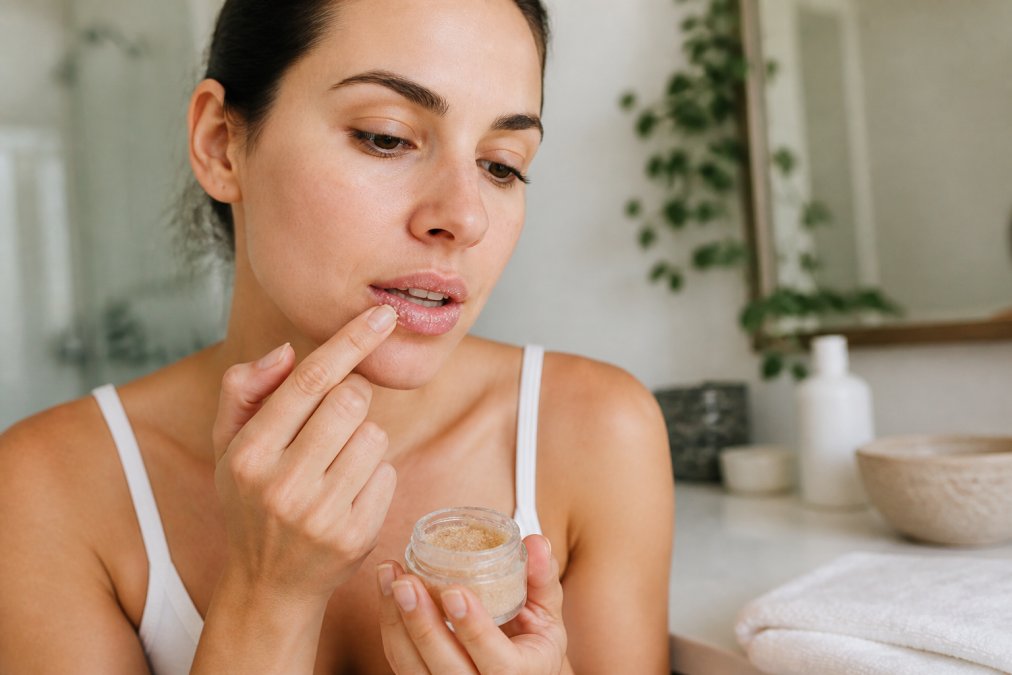
Safe exfoliation technique:
- Apply a small amount of a sugar-based lip scrub to dry or slightly damp lips
- Use your fingertip to massage in gentle circular motions for 30 to 60 seconds
- Rinse thoroughly with lukewarm water
- Pat dry immediately
- Apply a hydrating balm or ointment within 30 seconds of rinsing to seal in moisture
Exfoliate once or twice per week. More frequent exfoliation strips the skin faster than it can regenerate.
The Charmstyle Beauty Cosmetics Kiwi Lip Scrub and Strawberry Lip Scrub are formulated to buff away dry, flaky skin while nourishing the tissue beneath, at $5.00 each. Always follow exfoliation with a barrier-sealing product.


Daily Habits That Prevent Dry Chapped Lips Year-Round
Preventative care is more effective than any treatment.
Hydration, Humidifier Use, and Sun Protection
Systemic dehydration affects every mucous membrane, including the lips. While hydration alone won't fix a compromised skin barrier, chronic dehydration accelerates moisture loss and slows healing. According to guidance from the National Institutes of Health on hydration and skin health, adequate fluid intake supports overall skin function.
Indoor heating and air conditioning reduce ambient humidity, increasing transepidermal water loss. Running a humidifier in your bedroom overnight addresses this directly. A relative humidity level between 40% and 60% is recommended for skin health.
Sun protection belongs in your daily lip care routine regardless of weather. The Skin Cancer Foundation's recommendations on lip SPF highlights lips as a high-risk area for UV damage. Apply a lip product with SPF 30 or higher every morning, and reapply after eating or drinking.
Product Layering Techniques for All-Day Moisture
Product layering is the most underused technique in lip care and separates people who maintain soft lips from those constantly chasing a fix.
The layering sequence:
- Morning: Apply a humectant-rich balm first (hyaluronic acid or glycerin base), then top with an SPF lip product
- Midday: Reapply a lightweight balm after eating or drinking
- Evening: Apply a thick occlusive ointment (petrolatum-based) as the final skincare step. This overnight application is when the most significant barrier repair occurs
- Before any lip color: Prime with a thin layer of balm and allow it to absorb for 60 seconds before applying lipstick or gloss
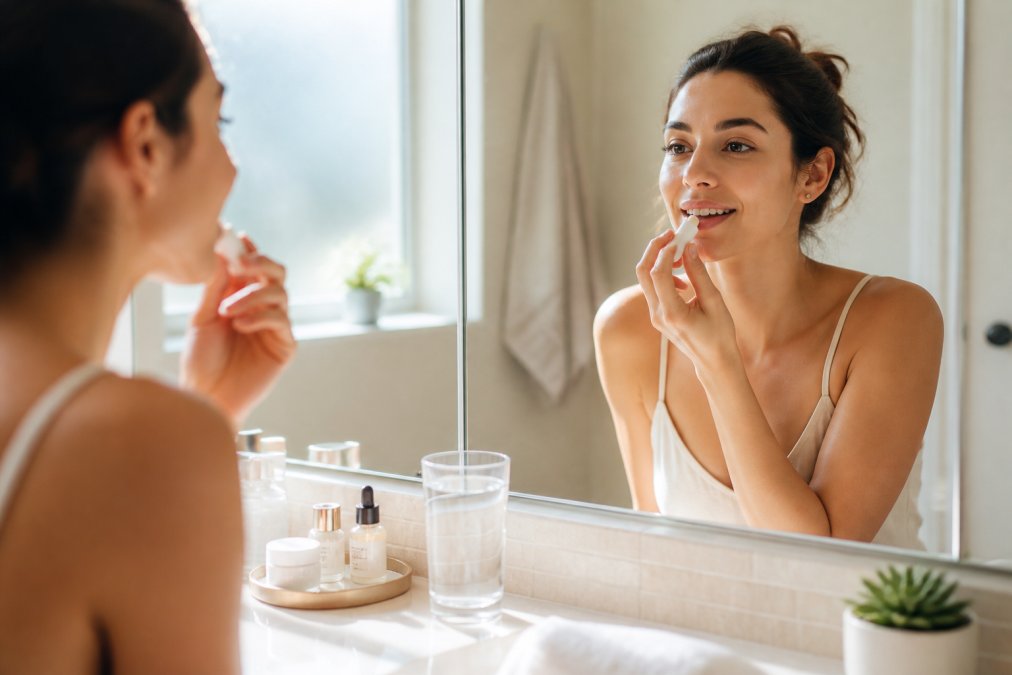
The Charmstyle Beauty Cosmetics Hydration Lip Gloss works well as a midday layer at $11.00. Its smooth, hydrating formula adds shine while providing an occlusive seal.
When to See a Dermatologist About Persistent Lip Dryness
Most cases of dry chapped lips resolve within one to two weeks of consistent barrier care. When they don't, that's a clinical signal worth taking seriously.
See a board-certified dermatologist if you experience:
- Chapping that persists for more than two weeks despite consistent use of fragrance-free, occlusive products
- Cracks, fissures, or bleeding that recur in the same location repeatedly
- Swelling, blistering, or significant redness suggesting an allergic or inflammatory response
- White patches, discoloration, or tissue changes on or around the lips
- Symptoms that correlate with starting a new medication
A dermatologist can perform patch testing to identify contact allergens, run bloodwork to check for nutritional deficiencies, and prescribe topical treatments such as low-potency corticosteroids. The American Academy of Dermatology's patient resources on cheilitis provides useful guidance on when lip dryness crosses from cosmetic to clinical territory.
Persistent dry chapped lips often signal something more specific than general dryness, whether a product irritant, medication side effect, or a barrier needing targeted repair. The Charmstyle Beauty Cosmetics Lip Balm and Hydration Lip Gloss are designed with lightweight, wearable formulas that layer comfortably. Get started with Charmstyle Beauty Cosmetics and build a lip care routine that keeps your lips soft, protected, and color-ready every day.
Frequently Asked Questions
What is the main cause of dry chapped lips?
Dry chapped lips most often result from transepidermal water loss, where the skin barrier on your lips fails to retain moisture. Triggers include cold or windy weather, UV exposure, mouth breathing, dehydration, and the lip-licking habit. Certain medications, such as retinoids, diuretics, and some acne treatments, can also cause chronic dryness as a side effect. Identifying your specific trigger is the first step toward effective, lasting relief.
Are dry lips a sign of a vitamin deficiency?
They can be. Deficiencies in B vitamins, especially B2 (riboflavin) and B12, as well as low iron or zinc levels, are linked to persistent lip dryness and angular cheilitis. If your lips stay chapped despite consistent moisturizing and hydration, a blood panel from your doctor can rule out an underlying nutritional gap. Topical treatment alone won't fully resolve dryness caused by an internal deficiency.
Can certain lip products make chapped lips worse?
Yes. Lip products containing fragrance, menthol, camphor, eucalyptus, or salicylic acid can strip the skin barrier and trigger allergic contact dermatitis, making chapping worse with repeated use. If your lips feel more irritated after applying a product, switch to a fragrance-free, hypoallergenic formula. Look for occlusives like petrolatum or beeswax paired with humectants like hyaluronic acid for genuine barrier repair rather than temporary relief.
How do I stop my lips from drying out during winter?
Start by running a humidifier indoors to counteract dry heated air. Apply a petrolatum-based ointment or beeswax lip balm with SPF before going outside, since UV rays damage lips even in cold weather. Stay hydrated throughout the day, avoid licking your lips, and exfoliate gently once a week to remove flaky skin. Layering a hydrating balm under a protective ointment at night speeds up the healing process significantly.
This article was written using GrandRanker