

Last Updated: November 16, 2026
Quick Summary
A lip scrub routine gently removes dead skin, then seals in moisture with balm, which helps dry, flaky lips. Use a pea-sized amount of scrub with light circular massage for 20 to 30 seconds, rinse gently, and apply a plant-based balm right away. Scrub two to three times a week.
- Exfoliate with a pea-sized amount of scrub, massaging in small circles for 20 to 30 seconds.
- Apply a thin layer of plant-based balm within a minute of scrubbing.
- Scrub two to three times per week, and balm every day.
- Do not exfoliate cracked, bleeding, sunburned, or irritated lips.
Table of Contents
- Why Exfoliating Your Lips Makes a Difference
- How to Use Lip Scrub Step by Step
- Building a Vegan Lip Scrub and Lip Balm Routine for Dry Lips
- DIY Lip Scrub Recipe Using Plant-Based Ingredients
- Verifying Vegan Ingredients and Choosing Your Balm
- Keeping Your Vegan Lip Routine at Home: Frequency, Storage and Protection
- Start Your Vegan Lip Routine With Charmstyle's Kiwi and Strewberry Scrubs
- Frequently Asked Questions
Why Exfoliating Your Lips Makes a Difference
A vegan lip scrub and lip balm routine is a simple way to care for dry, flaky lips. Charmstyle Beauty Cosmetics offers Moisturizing Lip Scrubs that gently buff away dry, flaky skin while nourishing the lips underneath, and pairing a scrub with a balm is a common two-step approach.
Exfoliation is the process of removing dead skin cells from the surface of the lips. Lips lack the thick oil glands found on the rest of the face, so flakes build up quickly. A lip scrub helps clear that layer so moisture can soak in.
Watch out: Scrubbing too hard or too often can irritate lips that are already cracked or sore. Stop if you notice stinging, redness or swelling.
How to Use Lip Scrub Step by Step
Using a lip scrub is quick, but in any lip scrub routine the order and the pressure matter more than the product. A common pattern is to treat exfoliation as the first step of a two-step routine, not a standalone treatment. Follow these steps for the best result:
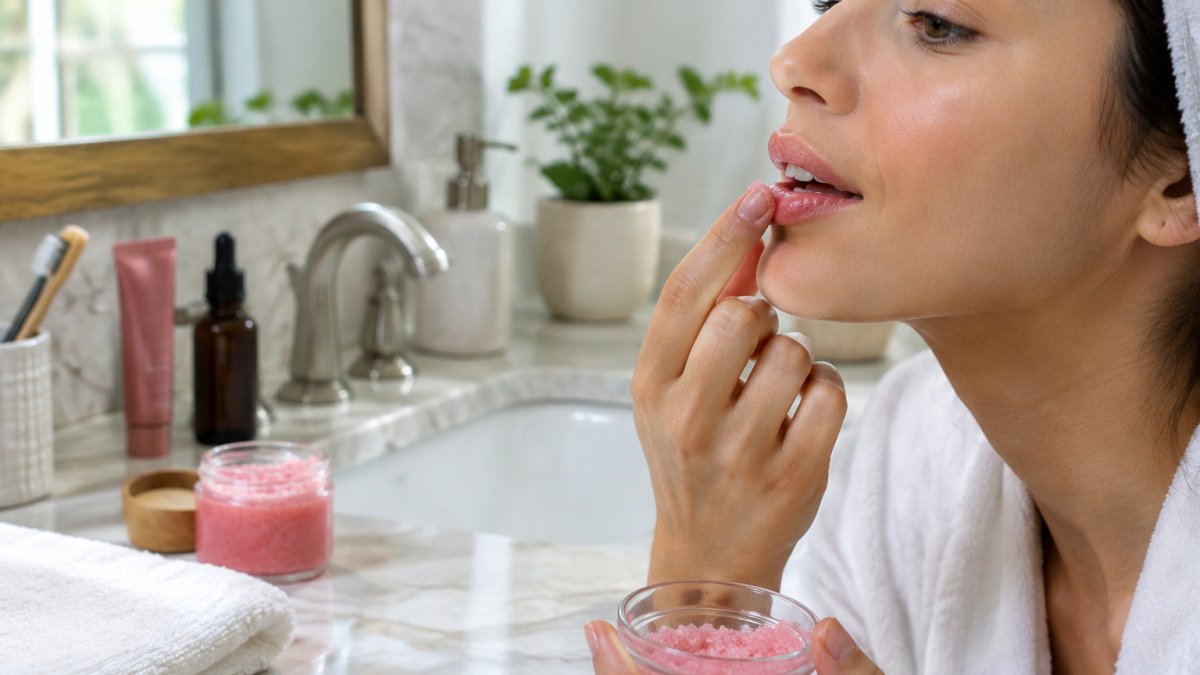
- Start with clean, damp lips. Wipe away any balm or lipstick with a soft cloth, then wet your lips with a little lukewarm water. Dry lips plus dry scrub is the most common cause of micro-tears.
- Use a small amount. A pea-sized scoop is enough for both lips. More product does not mean more exfoliation; it usually means more scrubbing to remove the excess.
- Apply with a clean fingertip or a soft silicone applicator. Avoid stiff bristle brushes, which can scratch the lip surface. If you use a finger, wash your hands first.
- Massage gently in small circles for 20 to 30 seconds. Use light pressure, roughly the pressure you would use to apply eye cream. Sugar-based scrubs dissolve as you work, so the grit softens naturally. Do not press harder to chase flakes.
- Rinse with lukewarm water or wipe away with a damp cloth. Hot water strips lipids and can leave lips feeling tighter. Pat dry with a clean towel rather than rubbing.
- Apply balm immediately. The first minute after exfoliation is when lips are most receptive to moisture. A thin layer of plant-based balm seals the surface before it dries out.
- Clean your applicator and close the jar. Rinse silicone tools with warm water and mild soap, and dry them fully before the next use. Avoid dipping wet fingers back into the jar, which introduces bacteria.
The Kiwi Lipscrub from Charmstyle Beauty Cosmetics includes directions to use it 2 to 3 times a week. If your lips feel tight or sting after scrubbing, you used too much pressure or scrubbed too long, not too little product.
Watch out: Do not exfoliate cracked, bleeding, sunburned, or irritated lips. If lips are split at the corners, peeling from a sunburn, or stinging when you apply anything, pause the scrub and use only balm until the skin is intact. Scrubbing damaged lips can deepen irritation and slow healing. If irritation persists for more than a few days, stop all lip products and consult a healthcare professional.
The steps below sum up the routine, with timing and frequency at a glance.
| Step | What to do | Time or frequency |
|---|---|---|
| Prepare | Wipe off balm or lipstick, then wet lips with lukewarm water | Before each scrub |
| Apply scrub | Use a pea-sized amount with a fingertip or soft silicone applicator | One pea-sized scoop |
| Massage | Work in small circles with light pressure | 20 to 30 seconds |
| Rinse | Use lukewarm water or a damp cloth, then pat dry | Immediately after scrubbing |
| Balm | Apply a thin layer of plant-based balm | Within a minute of scrubbing |
| Clean up | Rinse and dry applicator, close the jar | After each use |
| Frequency | Kiwi Lipscrub directions | 2 to 3 times a week |
Building a Vegan Lip Scrub and Lip Balm Routine for Dry Lips
A vegan routine avoids animal-derived ingredients such as beeswax, lanolin and honey. The goal is simple: gently remove dead skin, then lock in moisture with a balm that also contains no animal products.
For dry lips, try this weekly plan:
- 2 to 3 times per week: Exfoliate with a gentle scrub
- Every day: Apply a plant-based balm, especially before going outdoors
- At night: Use a thicker layer of balm as an overnight treatment
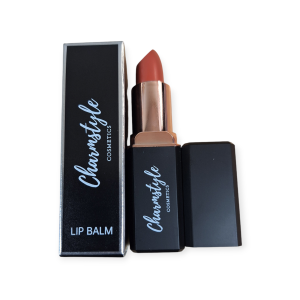
The Charmstyle Beauty Lip Balm can be paired with the scrub as the balm step of this routine.
DIY Lip Scrub Recipe Using Plant-Based Ingredients
Many people make a homemade lip scrub with pantry staples. A simple version blends one part granulated sugar with one part coconut oil. Stir until you have a spreadable paste, then use it the same way you would a store-bought scrub.
Keep these safety tips in mind:
- Use clean spoons and small jars
- Make only a small batch at a time
- Store it in a cool place and throw it out after a couple of weeks
- Skip it entirely if you have cuts or sensitive skin
Homemade scrubs can work well for occasional use. For a consistent routine, a formulated product often offers more reliable texture and hygiene.
Verifying Vegan Ingredients and Choosing Your Balm
Vegan labels are not standardized the way organic certifications are, so the ingredient list is the most reliable source. A product can be cruelty-free and still contain beeswax or lanolin, and a product can be labeled plant-based while including a single animal-derived ingredient. Treat "vegan" and "cruelty-free" as two separate claims and verify each one.
Common animal-derived ingredients to check for:
- Beeswax, honey, propolis, and royal jelly
- Lanolin, which comes from sheep wool
- Carmine and cochineal extract, red dyes made from insects
- Collagen and gelatin, usually from bovine or porcine sources
- Shellac and resinous glazes used for shine
- Casein, a milk protein sometimes used in lip products
- Guanine, a shimmer sometimes derived from fish scales
Plant-based alternatives that commonly appear in vegan balms:
- Candelilla wax and carnauba wax in place of beeswax
- Shea butter, cocoa butter, and mango seed butter
- Coconut oil, jojoba oil, and sunflower seed oil
- Vitamin E (tocopherol) as an antioxidant
How to read a label in practice:
- Look for a certified vegan mark from a recognized third-party program, then still scan the ingredient list. Certification reduces risk but does not replace reading the label.
- Check the ingredient list in descending order. Ingredients are listed by weight, so the first five tell you most of what the product is made of.
- Search unfamiliar ingredient names before buying. A quick search for the INCI name plus "vegan" or "animal-derived" usually resolves the question.
- Be cautious with generic terms like "fragrance" or "flavor." These can contain animal-derived carriers, so a fragrance-free or flavor-free balm is the safer choice if you want certainty.
Choosing a balm for sensitive lips: Fragrance, flavoring, essential oils, and cooling agents such as menthol and camphor are common irritants. If your lips react easily, choose a shorter ingredient list with a single butter or oil, no added scent, and no exfoliating acids. Patch-test a new balm on the inner arm for a day before applying it to lips.
Watch out: A "vegan" claim on the front of the package does not guarantee the product is free of animal-derived ingredients, and a "cruelty-free" claim says nothing about ingredients. Read the full list every time, especially when a brand reformulates.
Keeping Your Vegan Lip Routine at Home: Frequency, Storage and Protection
Consistency matters more than intensity. Exfoliating more often does not speed up results and can leave lips raw. Stick to the frequency on the label and adjust your lip scrub routine if your lips feel sensitive.
Protect your lips during the day as well. Wear a balm with sun protection when you spend time outside, and reapply it after eating or drinking.
Store your products in a cool, dry place away from direct sunlight. Close the lids tightly and avoid sharing applicators to keep everything clean.
Start Your Vegan Lip Routine With Charmstyle's Kiwi and Strewberry Scrubs
If you are ready to try a vegan routine, the Kiwi Lipscrub and the Strewberry Lipscrub from Charmstyle Beauty Cosmetics are a good place to begin. Each one costs $8.00 and is described as a moisturizing lip scrub that gently buffs away dry, flaky skin while hydrating the lips. Pair either scrub with the Charmstyle Beauty Lip Balm at $10.00 for a two-step routine.
Try the scrub two or three times a week, follow with balm, and see how your lips feel after a few weeks.
Frequently Asked Questions
What is the best DIY lip scrub recipe?
A simple DIY lip scrub mixes one teaspoon of granulated sugar with one teaspoon of coconut oil until it forms a loose paste. Coconut oil is plant-based and softens the lips while the sugar buffs away flaky skin. Apply a small amount, massage in gentle circular motions for about 30 seconds, then rinse with lukewarm water. Make only a small batch, store it in a clean sealed container, and discard leftovers after a few days because homemade scrubs contain no preservatives. If your lips are sensitive, skip the sugar and use a very soft cloth instead.
Do you wash lip scrub off or wipe it off?
You can do either. Most lip scrubs, including the Charmstyle Kiwi Lipscrub and Strewberry Lipscrub, are used by applying a small amount, massaging gently, and then rinsing or wiping away the excess with a damp cloth or tissue. Rinsing with water removes all the residue, while wiping leaves a bit of oil behind that can act as a light base for your balm. Either way, pat your lips dry and follow with lip balm to lock in moisture.
Should you apply lip balm before or after a lip scrub?
Apply lip balm after you scrub. Exfoliating first removes dead, flaky skin so the balm can absorb into fresh skin rather than sitting on top of dry flakes. Once the scrub is rinsed or wiped away, apply a vegan lip balm to seal in moisture. Using a balm before scrubbing only traps the flakes and makes the scrub less effective.
How often should you use a lip scrub?
The Charmstyle Moisturizing Lip Scrubs are used 2 to 3 times a week according to their directions. Exfoliating more often can leave lips raw or irritated, especially if they are already dry or sensitive. Use light pressure, scrub for only a few seconds, and skip the scrub entirely on days when your lips feel sore, cracked or burned. Daily lip balm is the foundation of your routine, while scrubbing is an occasional step.
