

Table of Contents
- How to Find Your Skin Undertone
- Why Undertone Matters More Than Surface Skin Tone
- Warm-Toned Red Lipstick: Your Bold Statement Shade
- Warm Undertone Nude Lipstick and Everyday Shades
- Coral, Peach, and Terracotta: Your Warmth Amplifiers
- Lipstick Colors to Avoid for Warm Undertones
- Testing and Wearing Your Shades: Finish, Depth, and Confidence
- Frequently Asked Questions
Last Updated: October 13, 2026
How to Find Your Skin Undertone
Finding your skin undertone is the foundation for choosing flattering lip shades warm undertones that work for you.
Warm undertones have golden, peachy, or olive-based hues. Cool undertones lean toward pink, red, or blue. Neutral undertones blend both warm and cool characteristics.
Most guides list the same four tests and stop there. But a single test run under bad conditions can point you in the wrong direction.
The vein test. Look at the veins on your inner wrist in indirect natural daylight, not under a lamp or tinted glass.
The jewelry test. Compare gold and silver against your bare face and neck in daylight, not your hand.
The white paper test. Hold a plain white sheet next to your bare face in natural light.
The natural lip color test. Look at your bare lips in daylight.
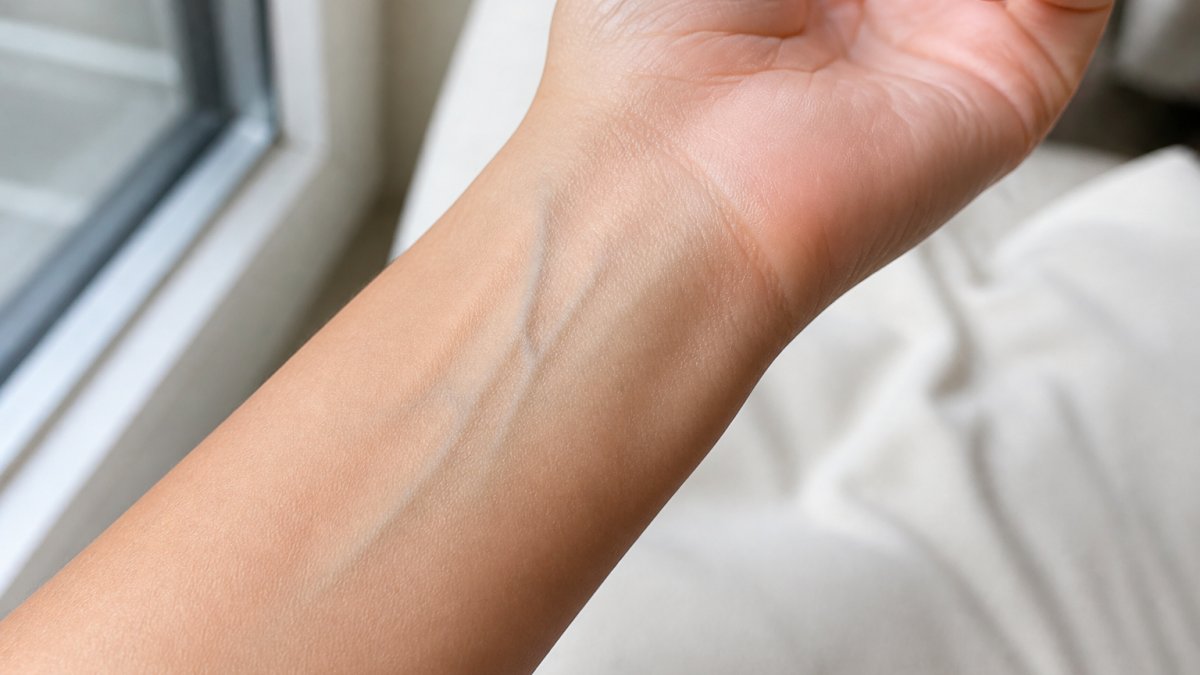
A practical tiebreaker: warm undertones tend to look better in warm, golden, or earthy colors across the board, not just in lipstick.
Once you have a working answer, shade selection gets much simpler. If you land on neutral, you simply get to choose warm shades when you want glow and cool shades when you want contrast.
Why Undertone Matters More Than Surface Skin Tone
Many people focus on whether their skin is light, medium, or deep, but undertone determines which colors harmonize with your complexion.
Surface skin tone describes depth; undertone describes the color family underneath. A deep-skinned person and a fair-skinned person with warm undertones will both be flattered by the same warm lipstick families, though specific shades may vary in intensity.
Undertone is the base color your skin reflects; surface tone is the volume or saturation level. Both matter, but undertone drives which colors feel natural and which feel jarring.
When a lip shade matches your undertone, it looks like it belongs on you, enhancing your natural features rather than fighting them. This is why two people of similar skin depth can have completely different lipstick recommendations.
According to research from the American Academy of Dermatology, skin undertone is genetically determined and remains consistent throughout your life, even as surface tone changes with sun exposure or age. This means once you identify your undertone, your flattering lipstick families stay the same.
Warm-Toned Red Lipstick: Your Bold Statement Shade
A warm-toned red lipstick is a power move for warm undertones. Unlike cool reds that lean blue or purple, warm reds have golden, orange, or brick undertones that echo your natural coloring.

Warm reds come in several varieties:
- Orange-red: Bright, energetic, and fun. Works best for medium to deep skin tones and makes a clear statement.
- Brick-red: Earthy and sophisticated. Flatters warm undertones across all skin depths and works for both professional and casual settings.
- Classic warm red: A balanced red with golden undertones. The most versatile warm red for everyday wear.
The Charmstyle Beauty Cosmetics Red Lipstick delivers bold, vibrant color in a creamy, ultra-pigmented formula with a velvety finish and long-lasting wear that won't smudge or fade. The hydrating formula keeps lips soft and comfortable for all-day confidence. This rich pigment serves as a foundational element for building cohesive looks, especially when integrated into broader complementary color palettes that extend your aesthetic harmony beyond makeup to include your choice of accessories.
To wear warm red confidently, apply from the bullet or use a lip brush for precision. Blot for a softer look or layer for intensity, and pair it with neutral eye makeup to let your lips be the focal point.
Warm Undertone Nude Lipstick and Everyday Shades
A warm undertone nude lipstick is your everyday hero. Unlike cool nudes that look ashy on warm skin, warm nudes enhance your natural lip color with subtle polish.

Warm nudes include:
- Golden nude: Warm and luminous. Flatters most warm undertones and works for professional settings.
- Peachy nude: Soft and approachable. Great for casual days and pairs well with any eye look.
- Warm beige: Neutral but with warmth. Works across seasons and occasions.
The Charmstyle Beauty Cosmetics Nude Lipstick is a rusty nude that combines warmth with sophistication. The ultra-pigmented formula delivers rich color with a velvety finish and long-lasting wear while keeping lips hydrated and comfortable.
Warm nude lipsticks are forgiving and versatile: they work with minimal makeup or a full face, transition from day to evening, and complement natural lip pigmentation rather than covering it up.
Coral, Peach, and Terracotta: Your Warmth Amplifiers
Coral, peach, and terracotta are the lip shades warm undertones truly shine in, echoing the golden tones in your skin to create harmony and visual warmth.
CHARMSTYLE BEAUTY NUDE LIPSTICK →
Coral lipstick is vibrant and fun, works best on medium to deep warm skin tones, and pairs beautifully with bronze or warm-toned eyeshadow. It feels modern and energetic without being as bold as true red.
Peach lipstick is softer and more approachable, suits all warm skin depths, and works for casual and polished looks. It feels fresh and youthful while remaining sophisticated.
Terracotta lipstick is earthy and grounded, one of the most flattering shades for warm undertones because it mirrors warm earth tones. It works year-round and pairs with nearly any makeup look.
According to beauty color theory from the Pantone Color Institute, warm analogous colors create visual harmony because they share similar undertones. This is why coral, peach, and terracotta feel so natural on warm undertones, they're not fighting your natural coloring.
The Charmstyle Beauty Cosmetics Lipstick Bundle includes multiple warm-toned options so you can experiment with the full range of flattering colors and choose based on occasion, mood, and the rest of your makeup.
Lipstick Colors to Avoid for Warm Undertones
Knowing which shades to skip saves time and money. Certain lipstick colors clash with warm undertones and make your complexion look less vibrant.
Cool-toned reds and blues lean toward pink, purple, or blue undertones. On warm skin, they create visual conflict and can make you look tired or washed out.
Mauve and plum shades are cool-toned purples. They can work on neutral undertones but often look muddy on warm skin.
Bright pink with cool undertones (neon or hot pink with blue notes) can look jarring against warm skin; warm pinks work better.
Nude shades with cool or ashy undertones make warm skin look pale or sallow, since they are designed for cool undertones.
The key is avoiding shades where the lipstick undertone opposes your skin undertone. When undertones clash, the lipstick stands out from your face rather than enhancing it.
Testing and Wearing Your Shades: Finish, Depth, and Confidence
Choosing the right undertone is half the battle. The other half is matching the shade to your skin depth, contrast level, and the finish you will actually wear. "Pick a warm shade" breaks down the moment two people with warm undertones and very different skin depths try the same lipstick.
Start with depth. Warm undertones exist at every depth, and the same shade family reads differently depending on how light or deep your skin is.
- Fair warm skin: Very deep or very saturated warm shades can overwhelm the face and look like they are sitting on top of the skin. Mid-tone warm nudes, soft peaches, and muted brick reds tend to look most natural. Save the brightest orange-reds for evening or for a deliberate statement.
- Medium warm skin: This is the most forgiving range. Peaches, corals, warm nudes, brick reds, and terracotta all work. You can shift a shade's intensity by sheering it out with a balm or building it up with a liner.
- Tan and olive-leaning warm skin: Slightly deeper and more saturated warm shades, terracotta, burnt orange, warm brick, tend to look richer here than pale nudes, which can read ashy. Olive undertones in particular often pull warm shades toward their truest color.
- Deep warm skin: Deep warm shades are not optional, they are the sweet spot. Rich brick, warm plum-brown, deep terracotta, and true orange-reds show up vividly. Pale or muted warm nudes can look chalky unless they are built up with a deeper liner underneath.
Then factor in contrast. Contrast is the difference between your skin, natural lip color, and hair. High-contrast faces (deep hair and light skin, or light hair and deep skin) can carry bolder, more saturated lip colors.
Finish shifts the shade. The same warm red can look like two different lipsticks depending on formula:
- Matte: Highest color payoff and longest wear, but it flattens dimension and can make a deep shade look even deeper. Best for bold statements and long days. Can be drying, so prep with balm.
- Satin: The middle ground. Keeps some depth while reflecting a little light, which softens the edge of a bold shade. The most versatile finish for everyday warm shades.
- Gloss: Adds light and dimension, which can make a warm shade read lighter and juicier than the bullet suggests. Requires more frequent reapplication and can bleed without a liner.
- Sheer or tinted balm: The safest way to test a bold warm shade. A sheer brick red gives you the warmth without the full commitment, and it layers well under a more opaque formula later.
Test in person the right way. Swatch on your lips, not your hand, lip pigmentation changes how a shade reads. Check it in indirect daylight, then step outside and check again; store lighting is the biggest reason a lipstick looks different at home.
Shopping online without getting burned. Screens are not color-accurate and product photos are often retouched. Look for swatches on a range of skin depths, and read reviews from people who describe their undertone and depth.
Once you know your depth and contrast level, you can stop guessing. A fair, low-contrast warm face and a deep, high-contrast warm face can both wear warm undertones beautifully, they just need different intensities of the same warm families.
Frequently Asked Questions
How can you tell if you have warm undertones?
Check your wrist veins in natural light, warm undertones show golden or greenish veins. Gold jewelry typically flatters warm undertones more than silver. Your skin may have peachy, golden, or olive tones rather than pink or red. A practical test: hold a piece of white paper next to your skin; if it appears yellowish or golden by comparison, you likely have warm undertones.
What warm undertone nude lipstick shades work best for everyday wear?
Golden nudes, caramel, warm beige, and terracotta-nude hybrids are ideal everyday shades for warm undertones. These complement your natural lip color without clashing. Charmstyle Beauty's Rusty Nude Lipstick ($17) is formulated to flatter warm skin tones with a hydrating, long-lasting formula that won't feel heavy during your workday.
Can people with warm undertones wear berry or pink lipstick?
Yes, but choose warm-toned berries and peachy pinks rather than cool, blue-based versions. Warm berries lean toward rust, wine, and terracotta-berry blends. Cool pinks and mauve shades can wash out warm undertones or clash with your natural warmth, so test before committing to avoid that patchy or uneven appearance.
What lipstick colors should I avoid if I have warm undertones?
Avoid cool-toned blues, true pinks, pure mauve, and blue-based reds. These shades clash with golden and olive tones in your skin, making them appear ashy or dull. Stick to warm-toned alternatives: orange-reds instead of blue-reds, peachy pinks instead of cool pinks, and warm browns instead of cool taupes.