

Table of Contents
- Why Dry Lips Make Lipstick Look Patchy
- Step 1: Exfoliate With the Best Lip Exfoliant for Dry Lips
- Step 2: Hydrate and Moisturize With the Right Ingredients
- Step 3: How to Keep Lips Moisturized Under Lipstick
- Step 4: Prep and Prime for Matte, Satin, and Glossy Formulas
- How to Prevent Dry Chapped Lips Before Your Next Application
- Common Mistakes That Cause Flaky, Uneven Color
- Conclusion
- Frequently Asked Questions
Last Updated: September 26, 2026
Why Dry Lips Make Lipstick Look Patchy
If you want to know how to fix dry lips before lipstick application, start here: dry lips are the number one reason lipstick looks uneven, and the fix starts long before color touches your mouth. When lips lack moisture, the surface cracks and flakes. Color catches on those rough spots and skips over the smooth ones, which is exactly what creates that patchy, blotchy finish.
- Dehydration: Lips have almost no oil glands, so they lose water fast. This is called trans-epidermal water loss, and it leaves lips tight and cracked.
- Dead skin cells: When skin doesn't shed evenly, it builds up in flakes. Lipstick clings to those flakes and looks rough.
Step 1: Exfoliate With the Best Lip Exfoliant for Dry Lips
The best lip exfoliant for dry lips is a gentle sugar or fruit-based scrub, not a harsh tool or a rough brush. You want to lift dead skin cells without tearing the healthy skin underneath.
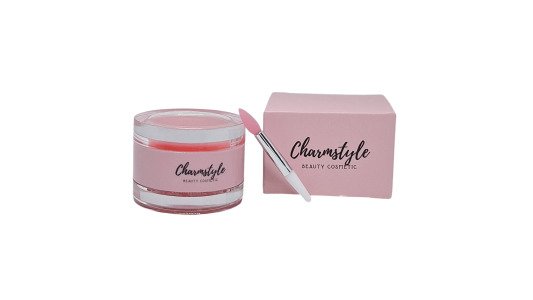
Here's how to do it right:

- Start with clean, dry lips.
- Apply a small amount of lip scrub to your fingertip.
- Massage in slow circles for about 30 seconds.
- Rinse or wipe away the excess.
- Follow immediately with a balm or moisturizer.
How Often to Use a Lip Scrub Without Causing Irritation
Twice a week is the sweet spot for most people, and three times a week is the ceiling. Scrub more often and you strip away the barrier that keeps lips soft, which makes flaking worse, not better.
Step 2: Hydrate and Moisturize With the Right Ingredients
Hydration comes in two parts, and you need both. One ingredient pulls water in. The other seals it there. Skip either and your lips dry out again within the hour.
- Humectants attract water to the lips. Look for hyaluronic acid, glycerin, panthenol, and honey.
- Occlusives lock that water in. Look for shea butter, lanolin, petrolatum, jojoba oil, squalane, and vitamin E.
- Emollients soften and smooth the surface. Jojoba oil, squalane, and shea butter cover this too.
Humectants vs. Occlusives: What Your Lips Actually Need
Humectants and occlusives work as a team, not as alternatives. A humectant alone can actually pull moisture out of lips in dry air. An occlusive alone seals the surface but adds no water. Together they hydrate and hold.
Ingredients That Make Dry Lips Worse
This is the part most guides skip, and it's the reason some people feel like they're doing everything right and still flake. Several ingredients that feel soothing on contact are actually drying or irritating over repeated use:
- Menthol, camphor, and phenol. These create a cooling or tingling sensation that reads as "working," but they're counter-irritants. They can trigger a rebound dryness cycle where lips feel tight again within an hour, so you reapply, and the cycle repeats.
- High concentrations of fragrance and essential oils. Citrus oils, peppermint oil, and cinnamon-derived flavoring are common sensitizers. If your lips sting or peel after a balm, that's a signal, not a coincidence.
- Salicylic acid and exfoliating acids. Fine in a dedicated lip treatment used occasionally, but not in a daily balm you layer under lipstick.
- Dyes and heavy flavoring. Artificial flavoring encourages licking, which evaporates and dries lips further.
Texture Matters Under Lipstick
Not every hydrating product belongs under color. The texture you choose changes how lipstick wears:
- Waxy balms and petrolatum-heavy sticks seal well but leave a slick film. Lipstick slides over them and fades fast. Use these at night, not as a base.
- Cream balms with shea or lanolin absorb in a minute or two and leave a soft, slightly tacky surface. This is the sweet spot for a lipstick base.
- Oils and glosses add shine and comfort but give color nothing to grip. Best worn alone or tapped over the center of a finished lip.
Step 3: How to Keep Lips Moisturized Under Lipstick
To keep lips moisturized under lipstick, prep with a balm first, blot the excess, then apply color in thin layers. The balm creates a soft base. Blotting stops the color from sliding. Thin layers keep the formula from drying into cracks.
- Apply a hydrating balm and wait two minutes.
- Blot gently with a tissue to remove surface oil.
- Apply lipstick in two thin coats instead of one thick one.
Step 4: Prep and Prime for Matte, Satin, and Glossy Formulas
Each lipstick finish needs slightly different prep, and matching your routine to the formula is the step most guides skip. The reason comes down to oil content and pigment load: matte formulas carry less oil and more pigment, so they grab onto every flake and line. Glossy formulas carry more oil and less pigment, so they glide over texture but amplify shine on any rough patch. Satin sits in between.

| Finish | Prep Focus | Application Technique | Watch Out For |
|---|---|---|---|
| Matte | Heavy cream balm, wait 2 min, blot to near-bare | Thin layers, press on with fingertip or brush | Skipping primer; color settling into lip lines |
| Satin | Light cream balm, wait 1 min, light blot | Smooth single pass, no rubbing | Over-layering, which causes slip |
| Glossy | Scrub plus light balm, blot fully | One coat, no rubbing or pressing | Flakes showing through the shine |
| Long-wear | Primer plus cream balm, blot between coats | Thin first coat, blot, second coat | Tightness and drying over the wear window |
Application Technique for Long-Wear and Matte Lipstick
Long-wear and matte lipstick need a drier base than other finishes. Apply balm, wait two minutes, then blot until your lips feel almost bare. Any leftover slip will make matte color slide and settle into lines.
CHARMSTYLE BEAUTY KIWI LIPSCRUB →
Satin and Glossy: The Lighter Prep Protocol
Satin and glossy formulas are more forgiving, but they have their own failure modes. Satin looks patchy when you over-apply, the color pools in the center and thins at the edges. Glossy looks uneven when flakes catch the light.
Troubleshooting by Dryness Type
Not all dryness is the same, and the prep that fixes one type can make another worse. Match your method to what you actually see:
- Flaky lips (visible peeling skin). This is a buildup problem. Gentle exfoliation followed by a cream balm is the right move. Skip heavy occlusives until the flakes are gone, they trap dead skin against the surface.
- Cracked lips (fissures, sometimes painful). This is a barrier problem. Do not exfoliate. Layer a humectant first, then a petrolatum-based occlusive, and repeat morning and night until the cracks close. Wear only satin or glossy formulas, or skip lipstick entirely, until they heal.
- Dehydrated lips (tight, lined, no visible flakes). This is a water-loss problem. Humectants plus occlusives, applied to slightly damp lips, do more here than any scrub. Drink water consistently, and avoid matte formulas until the tightness resolves.
How to Prevent Dry Chapped Lips Before Your Next Application
Preventing dry chapped lips comes down to daily habits, not last-minute fixes. The prep routine above works best when your lips stay hydrated between applications.
Build these into your week:
- Drink water throughout the day to support hydration from within.
- Apply balm morning and night, even on no-makeup days.
- Use a lip mask once or twice a week for deeper moisture.
- Avoid licking your lips, which evaporates and dries them further.
- Choose non-irritating formulas if your lips are sensitive.
Common Mistakes That Cause Flaky, Uneven Color
Flaky, uneven color almost always traces back to one of five mistakes. Fix these and patchiness disappears.
- Applying lipstick to dry, unexfoliated lips. Color grabs dead skin and skips.
- Skipping balm under matte formulas. Matte dries lips further without a base.
- Over-exfoliating. Daily scrubbing damages the barrier and increases flaking.
- Using a waxy balm right before color. It makes lipstick slide and fade fast.
- Ignoring ingredient sensitivities. Some fragrances and dyes irritate dry lips.
Conclusion
Dry, patchy lips are a prep problem, not a product problem, and the fix takes minutes once you know the steps. Exfoliate gently, hydrate with humectants and occlusives, blot before color, and match your prep to your finish. Charmstyle Beauty Cosmetics makes this routine easy with lightweight, wearable formulas built for everyday confidence. Start with the Kiwi Lip Scrub ($5.00) to smooth and prep, then layer the Lip Balm ($10.00) or Clear Shine Lip Gloss ($7.00) for comfortable, even color that lasts.
Frequently Asked Questions
How do I prep my lips before applying lipstick?
Start by gently exfoliating with a lip scrub to remove dead skin cells, then apply a hydrating balm and wait two to three minutes so it absorbs. Blot off any excess before applying lipstick. This prep and prime routine creates a smooth surface so color glides on evenly and lasts longer. If your lips are very chapped, skip exfoliation for a day and focus on moisturizing with an occlusive balm first.
Can I wear matte lipstick if I have dry lips?
Yes, but matte lipstick formulas need extra prep because they contain less oil and can emphasize flaky skin. Exfoliate gently, apply a hyaluronic acid or shea butter balm, and let it absorb fully before blotting. Then apply your matte lipstick in thin layers. Adding a lip primer underneath creates a barrier that reduces trans-epidermal water loss and keeps the finish comfortable instead of tight or cracking.
Why does my lipstick look patchy even after moisturizing?
Patchiness usually comes from leftover dead skin cells or balm that has not absorbed. If a thick balm sits on the surface, lipstick slides and settles into uneven areas. Exfoliate two to three times a week, use a lighter hydrating layer before color, and blot with a tissue. For long-wear formula lipstick, a thin lip liner base also helps color adhere evenly across the entire lip.
How can I prevent dry chapped lips from coming back?
Keep lips moisturized daily with a balm containing jojoba oil, shea butter, or vitamin E, and drink enough water to support hydration from within. Avoid licking your lips, which speeds up moisture loss. Use a lip mask at night for barrier repair, and reapply balm before bed. If you wear lipstick often, choose non-irritating, emollient-rich formulas and give your lips a break from long-wear products on weekends.