

Table of Contents
- Lip Gloss vs. Lip Oil: Core Differences
- Best Ingredients for Lip Hydration
- Texture, Finish, and Wear Time Comparison
- Benefits of Lip Oil for Chapped Lips
- How to Prevent Dry Chapped Lips
- Layering Lip Gloss and Lip Oil for Maximum Hydration
- Choosing the Right Product for Your Needs
- Frequently Asked Questions
Last Updated: September 30, 2026
Lip Gloss vs. Lip Oil: Core Differences
When considering lip gloss vs lip oil, understanding how they work differently on your lips matters for your lip health.
Gloss sits on the lip surface, creating shine through light reflection, while oil penetrates deeper into the lip barrier for nourishment.
How Lip Gloss Works
Lip gloss creates shine by forming a light-reflecting layer on your lips using wax, silicone, or oil-based ingredients, making lips appear fuller and more defined.
A quality gloss balances shine with comfort, feeling weightless without stickiness. Charmstyle Beauty Cosmetics Hydration Lipgloss delivers smooth shine while feeling hydrating throughout your day.

Gloss works as a layering product or standalone statement, lasting 2-4 hours depending on eating, drinking, and formula staying power.
How Lip Oil Works
Lip oil penetrates the lip barrier to deliver moisture directly, using emollients and occlusives to lock in hydration and prevent transepidermal water loss.
Botanical oils like jojoba, argan, and rosehip nourish delicate lip skin with vitamins and fatty acids, creating a protective barrier that keeps lips soft and supple.
Lip oil offers a sheer finish with genuine hydration that improves texture over time, making it ideal for nighttime lip care.
Best Ingredients for Lip Hydration
Ingredients determine hydration effectiveness. Three categories, occlusives, humectants, and emollients, explain why lip gloss and lip oil hydrate differently.
Occlusives: The Barrier Builders
Occlusives like beeswax and petroleum jelly seal moisture in by trapping existing hydration rather than adding new moisture. Lip glosses rely on occlusives for their protective layer, but they provide temporary comfort rather than long-term repair.
Humectants: The Moisture Magnets
Humectants like glycerin draw water into the lip barrier by binding moisture molecules. In dry climates, they can backfire without an occlusive to seal moisture in.
Emollients: The Penetrating Nourishers
Emollients like jojoba, argan, and shea butter absorb into lip tissue to provide genuine nourishment and support barrier repair by delivering essential lipids.
In the debate of lip gloss vs lip oil, gloss prioritizes occlusives and silicones for shine without addressing underlying dryness, while oil prioritizes emollients for deep hydration with less visible shine.
| Ingredient Type | Primary Function | Best In | Hydration Depth |
|---|---|---|---|
| Occlusives (beeswax, petroleum jelly) | Seal moisture in | Gloss, balms | Surface-level |
| Humectants (glycerin, propylene glycol) | Draw moisture into barrier | Both (most effective with occlusive) | Mid-level |
| Emollients (jojoba, argan, shea butter) | Penetrate and nourish | Lip oil, balms | Deep tissue |
The most effective lip products combine all three ingredient types: humectants draw moisture in, emollients nourish, and occlusives seal it all in. Check ingredient lists for representation across all three categories.
Texture, Finish, and Wear Time Comparison
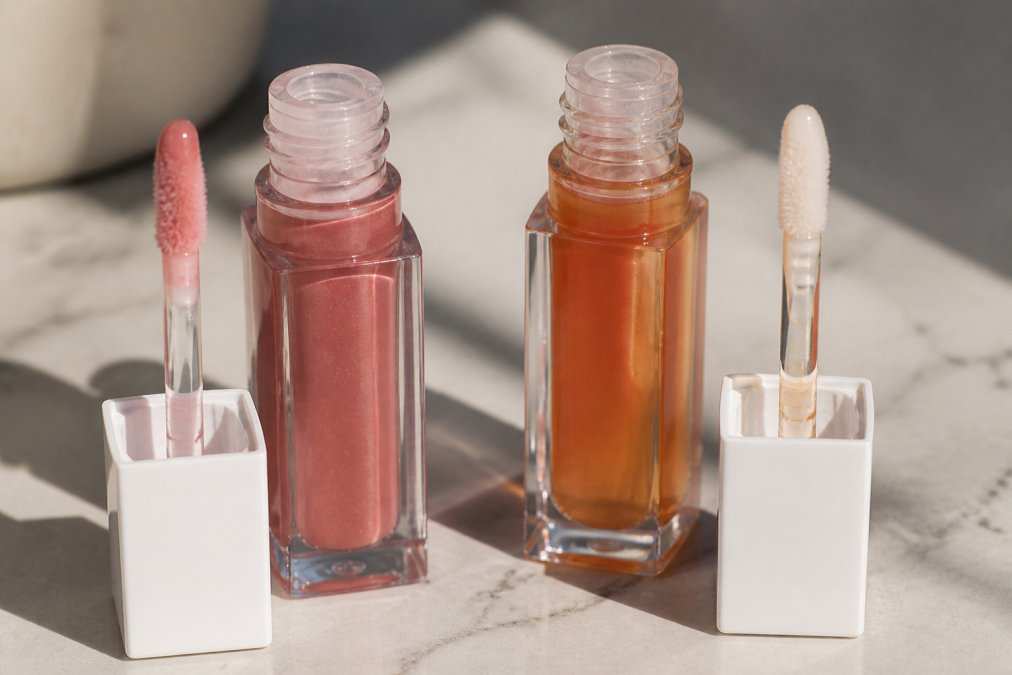
Lip gloss delivers a glossy, reflective finish that makes lips appear fuller. High-quality formulas feel lightweight and smooth without tackiness.
Lip oil, by contrast, offers a sheer finish with natural shine. The texture is lighter and more fluid than gloss, it absorbs into your lips rather than sitting on top. This means less visible shine but more genuine hydration. Wear time differs significantly: gloss typically lasts 2-4 hours, while oil provides hydration benefits that extend throughout the day and into your nighttime routine.
The choice between them depends on your priorities. If you want maximum shine and a polished look for specific occasions, gloss wins. If you're focused on long-term lip health and comfort, oil is the better choice. Many people use both: gloss during the day for appearance, oil at night for repair and hydration.
CHARMSTYLE BEAUTY HYDRATION LIPGLOSS →
Benefits of Lip Oil for Chapped Lips
Lip oil excels at treating chapped and dry lips because it addresses the root problem: moisture loss. When your lips lack hydration, they become irritated, flaky, and uncomfortable. Oil creates an occlusive barrier that prevents water from escaping, allowing your lips to repair themselves naturally.
The benefits of lip oil for chapped lips include improved texture, reduced flaking, and faster healing. Because oil penetrates the lip barrier, it delivers nourishment where topical treatments can't reach. If you have persistently dry lips, using oil consistently, especially before bed, produces noticeable improvements within days.
Botanical oils are particularly effective for chapped lips because they contain vitamins and antioxidants that support lip skin health. Regular use prevents the cycle of dryness and irritation that leads to more severe chapping. Many people find that switching to a dedicated lip oil eliminates their dry lip problems entirely.
How to Prevent Dry Chapped Lips
Preventing dry chapped lips requires understanding what causes them and matching your product choice to your environment and lip barrier condition. The difference between temporary relief and lasting prevention comes down to whether you're using cosmetic hydration or therapeutic hydration.
Cosmetic vs. Therapeutic Hydration
Cosmetic hydration provides immediate comfort and shine, think of lip gloss creating a glossy finish that makes your lips feel smoother for a few hours. This is valuable for appearance but doesn't repair underlying damage. Therapeutic hydration actually rebuilds your lip barrier by delivering emollients and humectants that penetrate tissue and support your lips' natural repair processes.
Climate-Specific Prevention Strategies
Daily Maintenance for Barrier Repair
Habits That Worsen Chapping
Beyond product choice, certain behaviors accelerate moisture loss:
- Lip licking: Saliva evaporates quickly, leaving your lips drier than before. This creates a cycle of licking and drying that worsens chapping. If you have the habit, apply lip oil before situations where you're tempted to lick (stress, concentration, cold weather).
- Matte lipsticks without a base: Long-wear and matte formulas are inherently drying. Always apply a hydrating lip oil underneath, wait 30 seconds for it to set, then apply your lipstick. This prevents the matte formula from pulling moisture from your lips.
- Frequent lip exfoliation: While removing dead skin feels productive, over-exfoliation damages your lip barrier. Exfoliate gently only once or twice weekly, and always follow with a rich lip oil.
- Dehydration: Drinking insufficient water affects skin hydration throughout your body, including your lips. Aim for adequate daily water intake to support hydration from within.
- Breathing through your mouth: In cold weather or during sleep, mouth breathing exposes your lips to dry air. If you mouth-breathe at night, apply a heavy occlusive lip oil before bed to protect against moisture loss.
When to Seek Alternatives
Layering Lip Gloss and Lip Oil for Maximum Hydration
Layering is a strategic approach that combines the hydration benefits of oil with the aesthetic appeal of gloss. The technique is simple: apply your hydrating lip oil first, allow it to absorb slightly, then top with lip gloss for shine and dimension.
Choosing the Right Product for Your Needs
Your choice between lip gloss and lip oil depends on your priorities, lifestyle, and lip condition. If you have naturally hydrated lips and want to enhance your appearance with shine, a quality gloss is sufficient. Charmstyle Beauty Cosmetics offers several options: the Nude Pink Lipgloss delivers a popping shine at just $7.00, while the Glitter Lipgloss adds sparkle for $5.00.
Frequently Asked Questions
Is lip oil better than lip gloss for hydration?
Both serve different purposes. Lip oil penetrates deeper into the lip barrier and provides nourishing, long-lasting hydration through emollients and botanical oils. Lip gloss delivers shine and surface moisture retention but focuses more on finish and appearance. For serious dryness or chapped lips, lip oil offers superior hydration. For everyday shine and polish, lip gloss excels. Many people use both: lip oil as a treatment base, then lip gloss for a glossy finish.
What are the best ingredients for lip hydration?
Look for occlusive ingredients like beeswax and plant-based oils that lock in moisture and protect the lip barrier. Emollients such as jojoba oil, argan oil, and coconut oil soften and nourish lips deeply. Glycerin and hyaluronic acid draw moisture into the lips. Vitamin E and botanical extracts provide antioxidant protection. The most effective lip products combine occlusives with emollients to repair and maintain hydration over time, preventing the dry lip cycle.
Can you use lip oil and lip gloss together?
Yes, layering works well. Apply lip oil first to hydrate and create a nourishing base, then layer lip gloss on top for shine and extra moisture retention. This combination gives you the treatment benefits of oil with the polished, glossy finish of gloss. The oil helps the gloss feel less sticky and provides ongoing hydration throughout the day. This technique is especially helpful for dry or sensitive lips that need extra care.
Does lip gloss offer any protective benefits for the lips?
Yes. Quality lip glosses create a glossy finish that helps seal in moisture and reduce trans-epidermal water loss from the lip surface. Many formulas include emollients and hydrating ingredients that provide barrier protection. However, lip gloss primarily focuses on shine and moisture retention rather than deep repair. For long-term barrier repair and prevention of chapped lips, combining gloss with a nourishing lip oil or treatment delivers stronger protection.
How do I choose between lip gloss and lip oil for my specific needs?
Choose lip oil if you have persistently dry, chapped, or sensitive lips that need treatment and barrier repair. Choose lip gloss if you want everyday shine, polish, and a lightweight feel without heaviness. If you have active lips that need comfort through the workday, a non-sticky gloss like Charmstyle Beauty's Clear Hydration Lipgloss ($11) or Clear Shine Lip Gloss ($7) delivers hydration and shine without the tacky feeling. For maximum hydration, use both: oil as your base treatment, gloss as your polished finish.
Charmstyle Beauty Cosmetics understands that healthy, hydrated lips start with the right product choice. Whether you prefer the glossy finish of our Hydration Lipgloss or want to build a dedicated lip care routine with nourishing oil, our lightweight formulas deliver the hydration and comfort your lips deserve. Explore our collection and find the perfect addition to your everyday confidence routine.