

Table of Contents
- Understanding Vegan Makeup vs. Cruelty-Free
- Common Non-Vegan Makeup Ingredients to Avoid
- How to Check If Makeup Is Vegan
- Step-by-Step Transition Plan by Makeup Category
- Building Your Vegan Everyday Makeup Routine
- Budgeting and Avoiding Waste During the Switch
- Tools and Accessories for a Complete Vegan Routine
- Keeping Your Routine Current as Formulas Change
- Frequently Asked Questions
Last Updated: October 15, 2026
Understanding Vegan Makeup vs. Cruelty-Free
Vegan makeup is beauty products made without any animal-derived ingredients. This means no beeswax, lanolin, carmine, or other animal byproducts. Vegan formulas use plant-based alternatives instead.
Cruelty-free means something different. A cruelty-free product hasn't been tested on animals. But it can still contain animal ingredients like honey or silk powder.
Many people assume these terms mean the same thing. They don't. Understanding the difference matters when you're building a vegan makeup routine.
Here's the key distinction: vegan focuses on ingredients. Cruelty-free focuses on testing practices. You want both in your routine, but they're separate commitments.
Some brands claim cruelty-free status but still use animal-derived ingredients. Others are vegan but weren't certified cruelty-free. The best brands meet both standards.
At Charmstyle Beauty Cosmetics, we focus on vegan formulas that deliver the lightweight, wearable finish you need for everyday confidence. Our lip products are crafted without animal ingredients.
Common Non-Vegan Makeup Ingredients to Avoid
When you start checking labels, you'll spot these animal-derived ingredients repeatedly:
Beeswax, A common thickener in lipsticks and balms. Bees produce it, so it's not vegan.
Lanolin, Comes from sheep's wool. Used in moisturizing formulas and lip products for its conditioning properties.
Carmine, A red pigment made from crushed insects. Found in reds, pinks, and some blushes.
Squalane, Often derived from shark liver oil, though plant-based versions exist. Check the source.
Gelatin, Comes from animal bones and skin. Used as a binder in some formulas.
Shellac, A resin secreted by the lac beetle. Used in some mascaras and glosses for shine and hold.
Keratin, Usually sourced from animal hair or horns. Plant alternatives are available.
Silk powder, Derived from silkworm cocoons. Adds smoothness to powders and foundations.
Pearl powder, Made from crushed shells. Used for shimmer in highlighters and eyeshadows.
These ingredients aren't always obvious on packaging. Some brands hide them under vague terms like "natural emollients" or "conditioning agents." This is why learning to read ingredient lists carefully is essential for building a vegan makeup routine.
The good news? Plant-based alternatives exist for every single one. Vegetable wax replaces beeswax. Plant oils replace lanolin. Synthetic or mineral pigments replace carmine.
How to Check If Makeup Is Vegan
Reading the ingredient list is your first step. Flip the package over and look at the back. The ingredient list is there, usually in small print.
Start from the top. Ingredients are listed by concentration, highest to lowest. If you spot any animal-derived ingredients in the first five, that product isn't vegan.
Use your phone. Sites like the Vegan Society's ingredient guide provide comprehensive ingredient databases.
Check for certification labels. Look for these marks on packaging:
- The Vegan Society Trademark, The most recognized vegan certification in the world
- Leaping Bunny, Certifies cruelty-free status; some certified products are also vegan
- PETA Cruelty-Free, Focuses on testing practices but sometimes includes vegan products
- Choose Cruelty-Free, Australian certification; check individual products for vegan status
Certified products have done the work for you. They've verified every ingredient and traced sourcing. If you see a certification label, you can trust the vegan claim.
Contact the brand directly if you're unsure. Most brands have customer service teams that answer ingredient questions.
Visit brand websites. Many vegan brands list all ingredients online and filter products by vegan status. This saves time when you're shopping for replacements during your transition.
Step-by-Step Transition Plan by Makeup Category
You don't need to replace everything at once. A gradual transition reduces waste and lets you find products that work for your skin.
Start with Base Products
Begin with foundation or tinted moisturizer. Your base is the most visible part of your routine, so finding a vegan alternative you love matters most.
Test new products before committing to a full-size version. Many brands offer samples or travel sizes. Try the vegan formula for a week. Does it blend smoothly? Does it last through your workday? Does your skin feel comfortable?
Once you find a base you like, move to concealer. Use the same testing approach. A good vegan concealer should cover without feeling heavy or settling into fine lines.
Add primer next. Vegan primers create a smooth canvas for your base. They help everything last longer and blend better. Look for lightweight formulas that won't feel sticky.
Finally, add a vegan setting powder if you use one. This completes your base layer. You now have a full vegan foundation routine.
Move to Eyes and Brows
Eyes are the second priority because they're highly visible. Start with eyeshadow. Vegan eyeshadows perform just as well as traditional formulas. They blend smoothly and hold color all day.
Replace eyeliner next. Vegan eyeliners come in pencil, liquid, and gel formulas. Choose whichever type you prefer. Test the staying power since eye products need to resist moisture and movement.
Add mascara after eyeliner. Vegan mascaras coat lashes beautifully without the animal-derived ingredients found in some traditional formulas. Look for formulas that lengthen, volumize, or both depending on your preference.
Eyebrows come last in this category. Vegan brow products include pencils, powders, and gels. Pick the formula that matches your usual routine. If you use a brow pencil, find a vegan pencil. If you prefer powder, find a vegan powder.
Replace Lip Products Last
Lips are the final category because they're the easiest to transition. You probably use lip products most frequently, so replacing them last means you'll have vegan alternatives ready when you need them.
Start with lipstick. Vegan lipsticks come in every color and finish. Matte, satin, glossy, cream, you'll find vegan options. Test a few shades to find your favorites.
Add lip gloss next. Vegan glosses deliver shine and moisture without animal-derived ingredients. They layer beautifully over lipstick or wear alone for a subtle look.
Finish with lip balm. Vegan lip balms use plant oils and butters instead of lanolin. They moisturize just as effectively and feel lighter on your lips.
This category-by-category approach means you're never without products you love. As each item runs out, you replace it with a vegan alternative.
Building Your Vegan Everyday Makeup Routine
A simple everyday routine takes five to seven minutes. You don't need many products. Focus on enhancing your natural features with a lightweight touch.
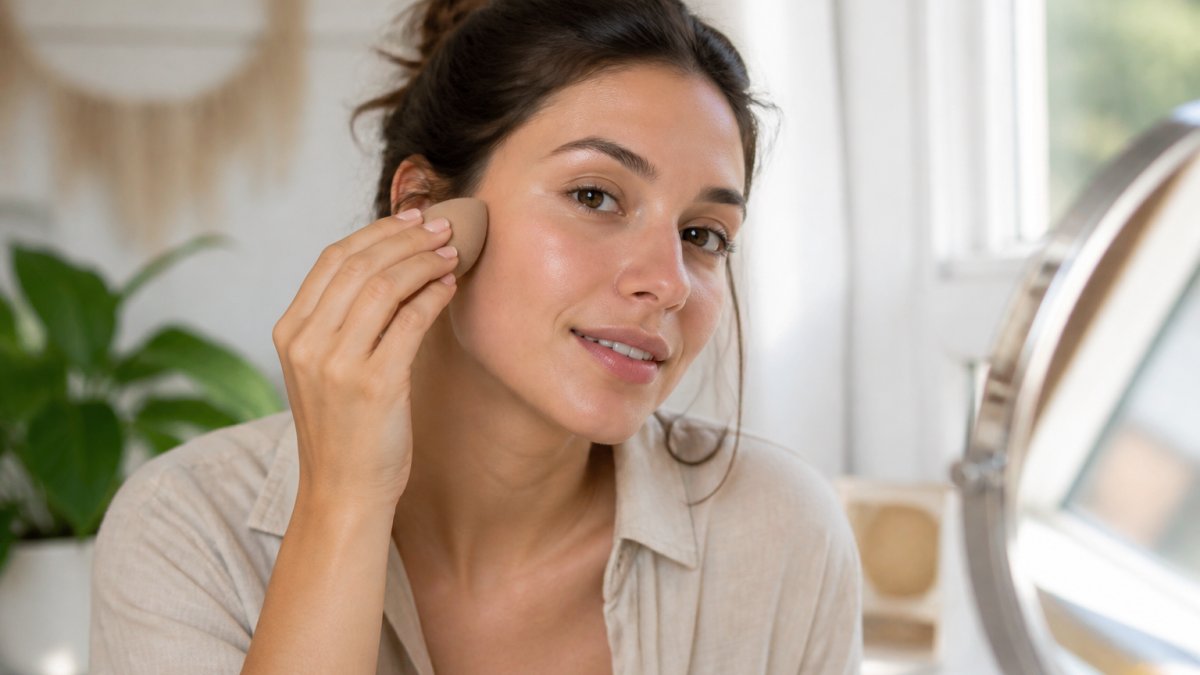
The Five-Minute Foundation Look
Start with a vegan tinted moisturizer or lightweight foundation. Apply a small amount to your forehead, cheeks, nose, and chin. Blend with a damp beauty sponge or your fingertips.
The goal is even coverage, not full face coverage. Let your skin show through. This creates a natural, glowing finish that looks effortless.
Add concealer only where you need it. Under the eyes, around blemishes, or on any uneven spots. Blend gently. Set with a light dusting of vegan powder if you want extra staying power.
Your base is complete. This step takes two minutes.
Adding Eyes and Definition
Apply a neutral eyeshadow across your lid. Cream or powder works. Blend it gently with your finger or a brush. A single shade looks polished and takes thirty seconds.
Line your upper lash line with a vegan eyeliner. A thin line defines your eyes without looking heavy. Black or brown works for everyday.
Apply vegan mascara to your upper lashes. One or two coats adds definition and opens up your eyes. Skip the lower lashes for a natural look, or apply mascara there too if you prefer.
Fill in your brows with a vegan brow product. Keep it simple. A light hand looks more natural than heavy brows. This step takes one minute.
Your eyes are done. Total time: two minutes.
Completing with Lips
Choose a vegan lipstick or lip gloss in a shade you love. A nude works for everyday. A berry or coral adds a subtle pop of color. Apply directly from the tube or with a lip brush for precision.
Blot with a tissue if you want a more muted finish. This final step takes thirty seconds.
You now have a complete vegan everyday makeup routine. Total time: five to seven minutes. You're ready to go.
Budgeting and Avoiding Waste During the Switch
Replacing your entire routine at once costs money and creates waste. A gradual transition is smarter financially and environmentally.
Use up your current products first. Don't throw away makeup that still works. Finish what you have, then replace it with vegan alternatives.
Buy travel sizes when testing new brands. A travel-size foundation costs less than full-size.
Prioritize by frequency of use. Replace products you use daily first. Your foundation, mascara, and lipstick get used constantly.
Shop sales and sample sets. Many vegan beauty brands offer starter sets with multiple products at a discount. These sets let you try several items affordably.
Join brand loyalty programs. Many vegan brands offer rewards for repeat purchases. Points add up and give you discounts on future orders.
Consider your budget realistically. You don't need to replace everything this month. Spread purchases across several months. This makes the transition sustainable financially.
Tools and Accessories for a Complete Vegan Routine
Your makeup routine needs tools. Brushes, sponges, and applicators matter as much as the products themselves.
Look for brushes with synthetic bristles. Animal-hair brushes come from real animals. Synthetic brushes perform just as well and align with your vegan values.
Beauty sponges should be vegan-friendly too. Most modern sponges are made from foam, which is plant-derived or synthetic. Check the packaging to confirm. Avoid sponges made from sea sponge, which is animal-derived.
Eyeliner brushes, eyeshadow brushes, and foundation brushes all come in synthetic versions. Build a basic kit with:
- One fluffy blending brush for eyeshadow
- One flat shader brush for color
- One foundation brush or use a beauty sponge
- One angled brush for brows
- One lip brush for precise application
These five tools handle your entire routine. They're affordable and last for years with proper care.
Wash your brushes weekly with gentle soap and warm water. Let them dry flat on a clean towel. This keeps them clean and extends their lifespan.
At Charmstyle Beauty Cosmetics, we design our lip products to work beautifully with synthetic brushes and sponges. Our lightweight formulas apply smoothly and blend effortlessly.
Keeping Your Routine Current as Formulas Change
Beauty brands reformulate products regularly. They improve formulas, update packaging, or adjust ingredients.
Stay informed about reformulations. Follow your favorite vegan brands on social media. They announce changes there.
Stock up on products you love before reformulation.
Test new formulas before fully switching. When a brand reformulates, buy a travel size first. Try it for a week.
Build a rotation of backup products. Don't rely on one foundation or one lipstick.
Read reviews from other users. When a brand reformulates, customers share their thoughts online. Read what others say about the new formula.
Connect with the vegan beauty community. Online forums and social media groups discuss product changes. Members share recommendations when products are discontinued.
Your vegan makeup routine will evolve as you discover new products and brands reformulate.
Building a vegan makeup routine means choosing products that align with your values without sacrificing quality or performance.
Frequently Asked Questions
What is the difference between vegan and cruelty-free makeup?
Vegan makeup contains no animal-derived ingredients like beeswax, carmine, or lanolin. Cruelty-free means the brand doesn't test on animals, but the formula may still contain animal ingredients. A product can be cruelty-free without being vegan, or vegan without being cruelty-free. The most ethical choice combines both certifications, ensuring no animal harm in ingredients or testing.
How can you tell if makeup is vegan?
Check the ingredient list for animal-derived ingredients like beeswax, carmine, lanolin, squalane (from shark liver), or shellac. Look for vegan certification labels from organizations like The Vegan Society or Leaping Bunny. Many brands now label products 'vegan' on packaging or their website. When in doubt, contact the brand directly to verify every component.
Do you need to replace all your makeup to go vegan?
No. A gradual transition works better and reduces waste. Start with products you use daily or those expiring soon. Replace them one category at a time: foundation and base first, then eyes, then lips. This approach lets you test new formulas, adjust your budget, and avoid throwing away nearly-full products.
Which common makeup ingredients are not vegan?
Carmine (crushed insects for red pigment), beeswax, lanolin (sheep wool), squalane (shark liver oil), collagen, keratin, and shellac are common non-vegan ingredients. Some foundations use bone char in their pigments. Glycerin can come from animal fat or plants, so check the source. Reading labels carefully helps you spot these and choose plant-based alternatives.